

 By Vinod Ram
For most athletes, greatness has an expiration date. The body slows, recovery takes longer, and performance eventually begins to fade. But LeBron James has spent the better part of two decades making that decline look negotiable.
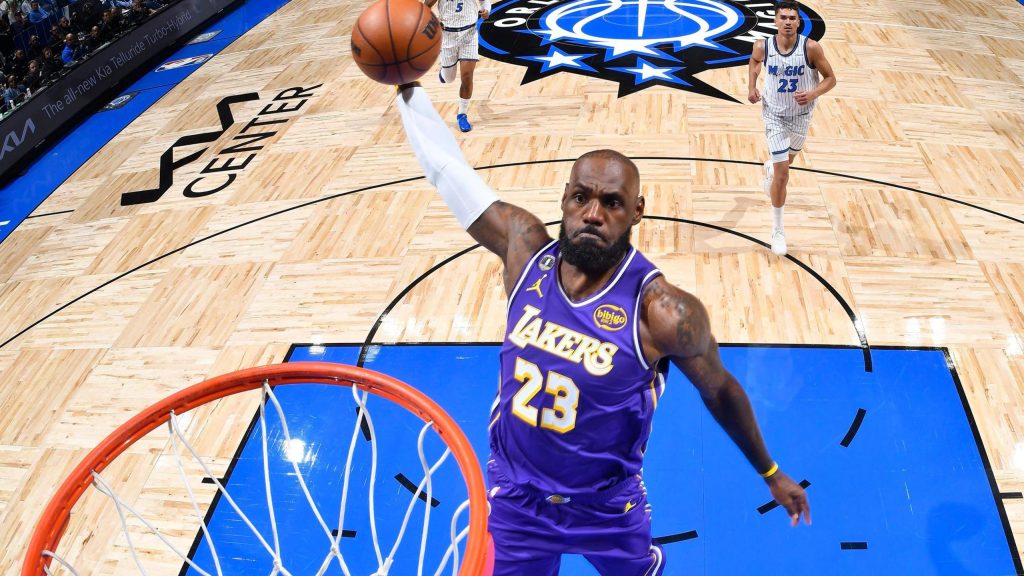
At an age when many NBA stars have already retired or accepted sharply reduced roles, LeBron remains not just productive, but relevant at the highest level of professional basketball. His longevity is no longer simply a sports statistic. It has become a case study in how modern athletes can extend peak performance through discipline, recovery, adaptation, and strategic self-investment.
And that is what makes his career so compelling beyond basketball. LeBron James is not just defying Father Time — he is helping rewrite the blueprint for elite human performance.
Longevity Is No Longer Just About Talent
Talent may launch a superstar, but it does not sustain one for 20-plus seasons. What separates LeBron from most all-time greats is not just his physical gifts. It is his ability to evolve as the game, his body, and the demands around him have changed.
That evolution has been visible in every phase of his career. Early LeBron dominated with explosive athleticism. Mid-career LeBron became a tactical force who controlled tempo, space, and decision-making. Today, veteran LeBron operates with a level of efficiency, body awareness, and game intelligence that often compensates for what age naturally takes away.
This is one of the most important lessons in peak performance: longevity is rarely about resisting change. It is about adapting to it before it becomes a limitation.
The Recovery Revolution
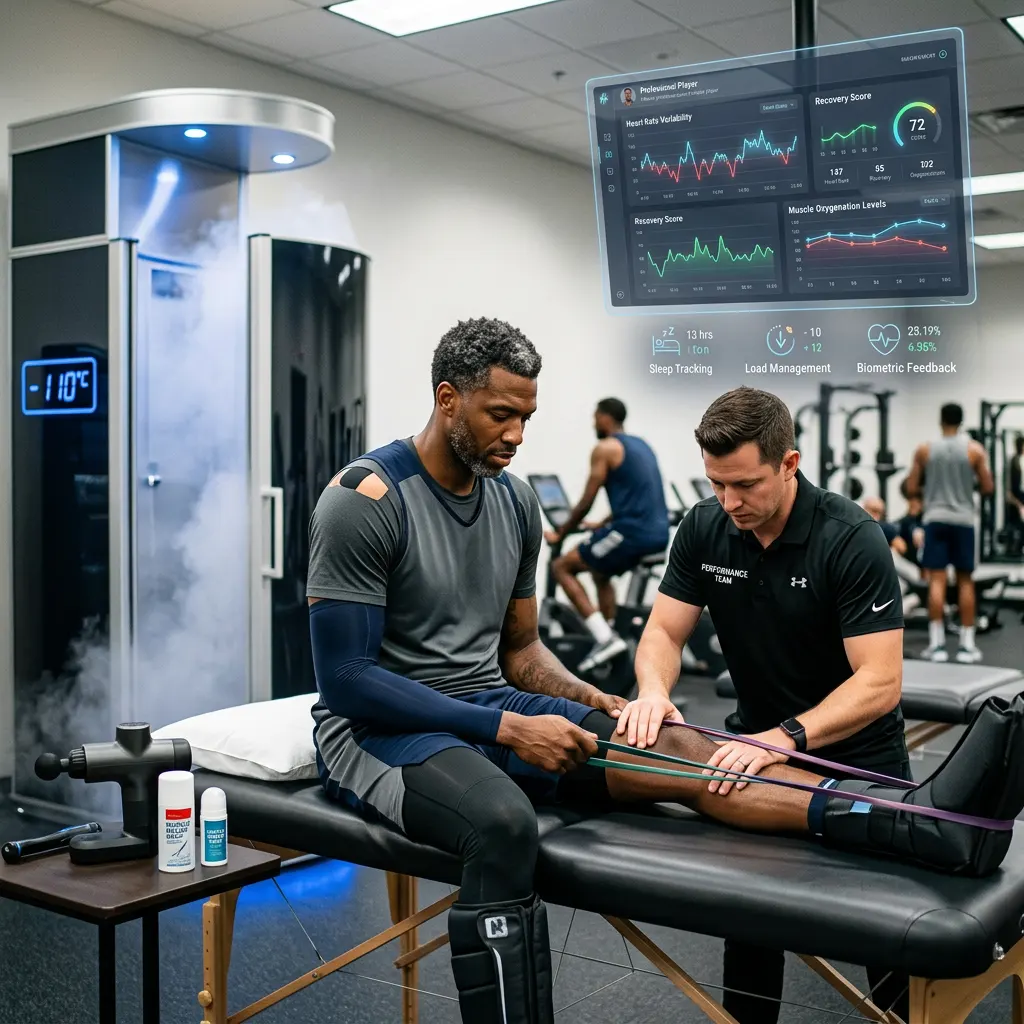
One of the most discussed aspects of LeBron’s longevity is his commitment to recovery. Over the years, sports media and performance experts have frequently highlighted how elite athletes now invest heavily in sleep optimization, mobility, nutrition, and advanced body maintenance systems.
In the modern performance era, recovery is no longer viewed as passive rest. It is active performance infrastructure. Sports science now treats restoration as a competitive edge, not a luxury.
That includes habits and systems such as:
- Sleep optimization and circadian discipline
- Mobility training and joint preservation
- Precision nutrition and hydration strategies
- Load management and workload awareness
- Cold therapy, massage, stretching, and muscle recovery protocols
For younger athletes and professionals outside sport, this is a powerful insight. Peak performance is not built only in moments of exertion. It is protected in moments of restoration.
Discipline Scales Better Than Motivation
LeBron’s longevity also reveals something deeper than physical preparation: the power of routine.
Motivation is unreliable over long time horizons. No one stays endlessly inspired for 20 years. But discipline — especially when attached to identity — becomes scalable. The reason LeBron has remained elite for so long is not because he wakes up every day feeling extraordinary. It is because he has built systems that make elite behavior repeatable.
That distinction matters for anyone pursuing excellence, whether in sport, business, or creative work. The people who sustain high performance are usually not the most emotional or dramatic. They are the most consistent.
The Mental Side of Staying Great
Physical longevity is only part of the story. Sustaining greatness over decades also requires unusual psychological durability. LeBron has operated under intense scrutiny since his teenage years, carrying the pressure of expectation, criticism, media attention, and cultural symbolism at a scale very few athletes ever experience.
That kind of visibility can drain performance as much as physical wear. Yet one of LeBron’s defining traits has been his ability to keep recalibrating mentally — from changing teams and systems to handling playoff failures, public criticism, and the burden of legacy conversations.
In many ways, peak performance is not just about how hard the body can go. It is about how well the mind can stay stable under pressure. This is why sports psychology has become increasingly central to modern athletic performance.
Reinvention Is a Performance Skill
One reason LeBron has aged so well in basketball terms is because he has never treated reinvention as weakness. He has continually updated his role, skill set, and energy output to fit the realities of each stage of his career.
That is a crucial but often overlooked principle in longevity: reinvention is not a sign that your peak is over. It is often how you extend it.
For LeBron, that has meant becoming more selective, more efficient, and more strategic. It has also meant understanding that legacy is not built only through dominance, but through adaptability.
That same principle applies far beyond sport. The highest performers in any field tend to survive longer when they stop obsessing over being the same version of themselves forever.
Why LeBron’s Example Resonates Beyond Basketball
Part of what makes LeBron James such a compelling figure is that his longevity speaks to a broader cultural obsession: how to stay effective in a world that moves fast, burns people out, and constantly demands reinvention.
His career offers a modern answer. Sustainable excellence is not about endless intensity. It is about intentional maintenance, self-awareness, and knowing when to push versus when to preserve.
That is why LeBron’s example resonates with entrepreneurs, executives, creators, and anyone trying to perform at a high level over time. He represents a version of ambition that includes durability — not just output.
The New Model of Greatness
There was a time when sports culture romanticized burnout. The greatest were often those who sacrificed everything, flamed brightest, and faded early. LeBron belongs to a different model of greatness.
His version of excellence is built not just on sacrifice, but on sustainability. It values preparation over chaos, systems over hype, and longevity over short-term mythology.
That may be one of the most important shifts in modern performance culture. In today’s world, the most impressive thing is not always how high someone can rise. It is how long they can stay there without breaking.
LeBron’s Historic Resume Makes the Lesson Even Bigger
LeBron’s longevity matters even more because it is paired with historic output. He became the NBA’s all-time leading scorer, later became the first player to reach 40,000 career points, and continues to add to one of the deepest résumés in basketball history.
According to his official NBA player profile, he has also compiled one of the longest elite-level careers the league has ever seen. That combination — longevity plus historic production — is what separates durability from true greatness.
LeBron James’ historic longevity is about far more than basketball records. It is a living lesson in what peak performance really requires: adaptation, recovery, discipline, mental endurance, and the willingness to evolve without losing identity.
In that sense, LeBron is not just extending a career. He is redefining what it means to age at the highest level of competition.
And in a culture obsessed with quick success, that may be his most enduring legacy of all.
#LeBronJames #PeakPerformance #SportsScience #AthleteLongevity #NBA #Recovery #PerformanceMindset #BasketballCulture