

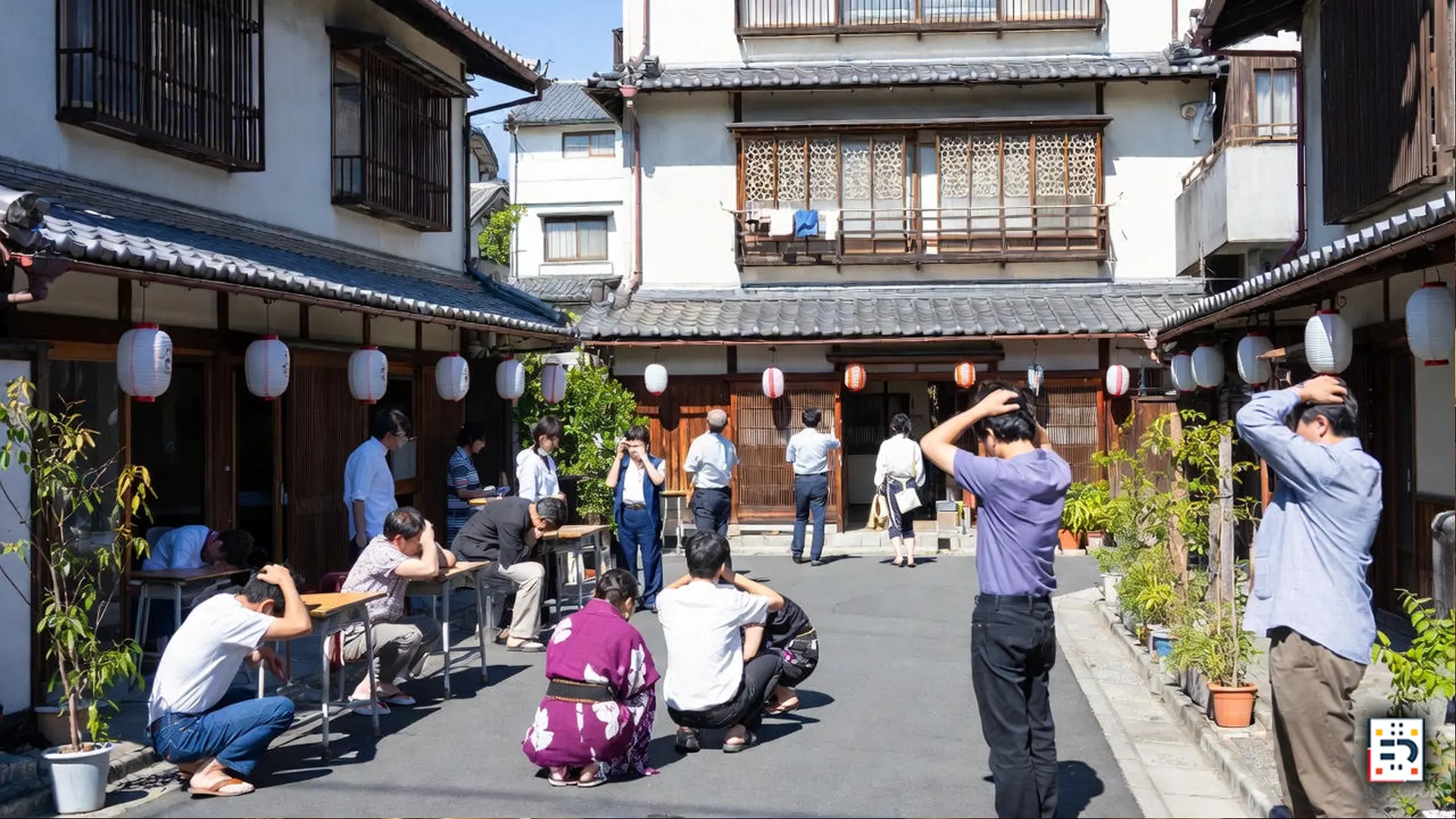
Earthquake preparedness usually starts with assembling a kit. However, Japan — one of the most earthquake-prone countries in the world — shows that survival relies on much more than bottled water and batteries. Through decades of real-world experience, Japanese communities have developed unconventional habits, social systems, and micro-rituals that dramatically improve survival and recovery.
Drawing from official resources like the Japan Meteorological Agency and global seismic guidance from the U.S. Geological Survey, here are five lesser-known lessons that anyone can apply — no matter where you live.
1. Daily Micro-Drills: Small Habits Become Lifesavers
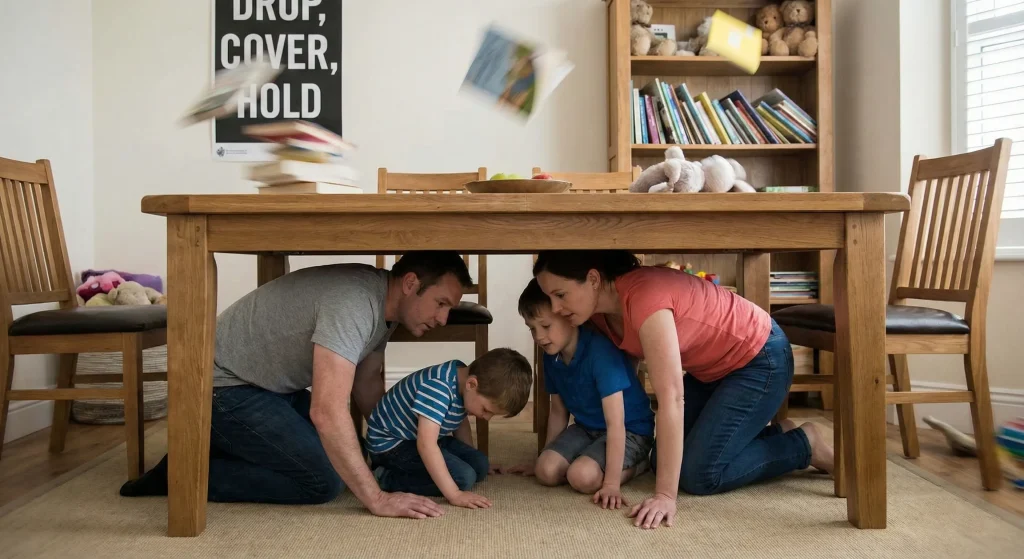
While many countries rely on occasional large-scale drills, Japan emphasizes small, repeated actions. Schools, workplaces, and families regularly rehearse drop-cover-hold routines, evacuation routes, and communication plans until they become instinctive.
What to copy:
- Practice a 30–60 second “earthquake reflex drill” every month.
- Rehearse where you drop, how you protect your head, and where you go next.
- Assign each family member one micro-task (e.g., move away from windows).
This repetition reduces panic and helps the brain execute automatically when real shaking begins.
2. Neighborhood Networks Outperform Gear
In Japan, survival depends heavily on social redundancy — neighbors who check on each other, share information, and coordinate resources. Community volunteer groups (known as bōsai kumiai) are often faster and more effective in the first hour than official responders.
How to apply this:
- Exchange contact details with at least two nearby households.
- Create a simple “family info card” with medical details and meeting points.
- Plan a block-wide check-in routine after shaking stops.
Your neighbors may be your first responders — not your kit.
3. Master Early-Warning Alerts — Seconds Matter
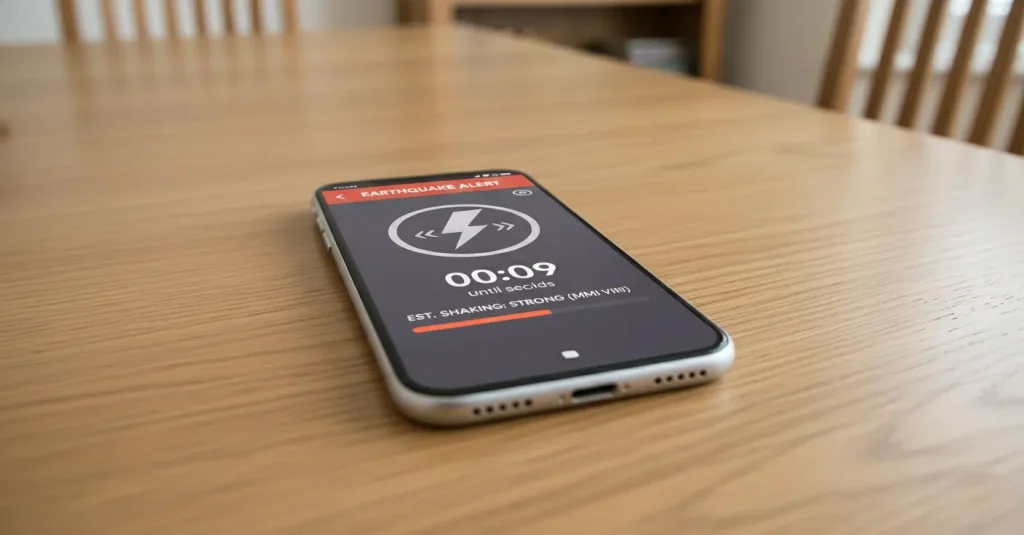
Japan’s early earthquake warning system (EEW) gives people seconds of notice before major shaking. Those seconds save lives because people already know exactly what to do when alerts sound.
If your region supports alerts, then make sure they are activated on every device. Learn how each alert type works and practice responding immediately.
Learn more about official EEW systems through Japan Meteorological Agency EEW.
4. Micro-Retrofits: Small Home Fixes Prevent Major Injuries
Japan’s homes often include strategic mini-retrofitting: furniture straps, anti-slip mats, cabinet latches, gas shutoff valves, and designated “safe corners.” These low-cost upgrades dramatically reduce injuries caused by falling objects.
Quick fixes to do this weekend:
- Secure bookcases and TVs to walls.
- Install safety latches on cabinets with glass items.
- Add rubber mats under heavy appliances.
- Create one room with no heavy overhead hazards.
These simple adjustments can prevent some of the most common earthquake injuries.
5. Think in Systems — Not Just Supplies
Japan’s resilience comes from interconnected systems: building codes, public education, tech alerts, drills, evacuation maps, and neighborhood units. Each supports the others.
Your preparedness should work the same way: link your kit, your communication plan, your neighborhood contacts, and your drills into one integrated routine.
Ask yourself:
- Does my kit support my evacuation plan?
- Do my alerts support my reflex drills?
- Do my neighbors know how we support each other?
Preparedness is a system — not a box of supplies.
You May Like
- Tropical Storm Dexter 2025: Hurricane Safety Guide for USA Residents
- Tsunamis: Understanding the Threat to America’s Coastlines
Japan’s most powerful earthquake lessons go far beyond the basic kit. They come from small rituals, strong communities, early-warning mastery, low-cost home upgrades, and interconnected systems. Start with one small habit today — earthquake safety grows stronger with every layer you add.
#EarthquakeSafety #DisasterPrep #JapanResilience #EmergencyPlanning #SafetyTips #Preparedness #EarlyWarning #CommunitySafety #HomeRetrofit #Bousai