
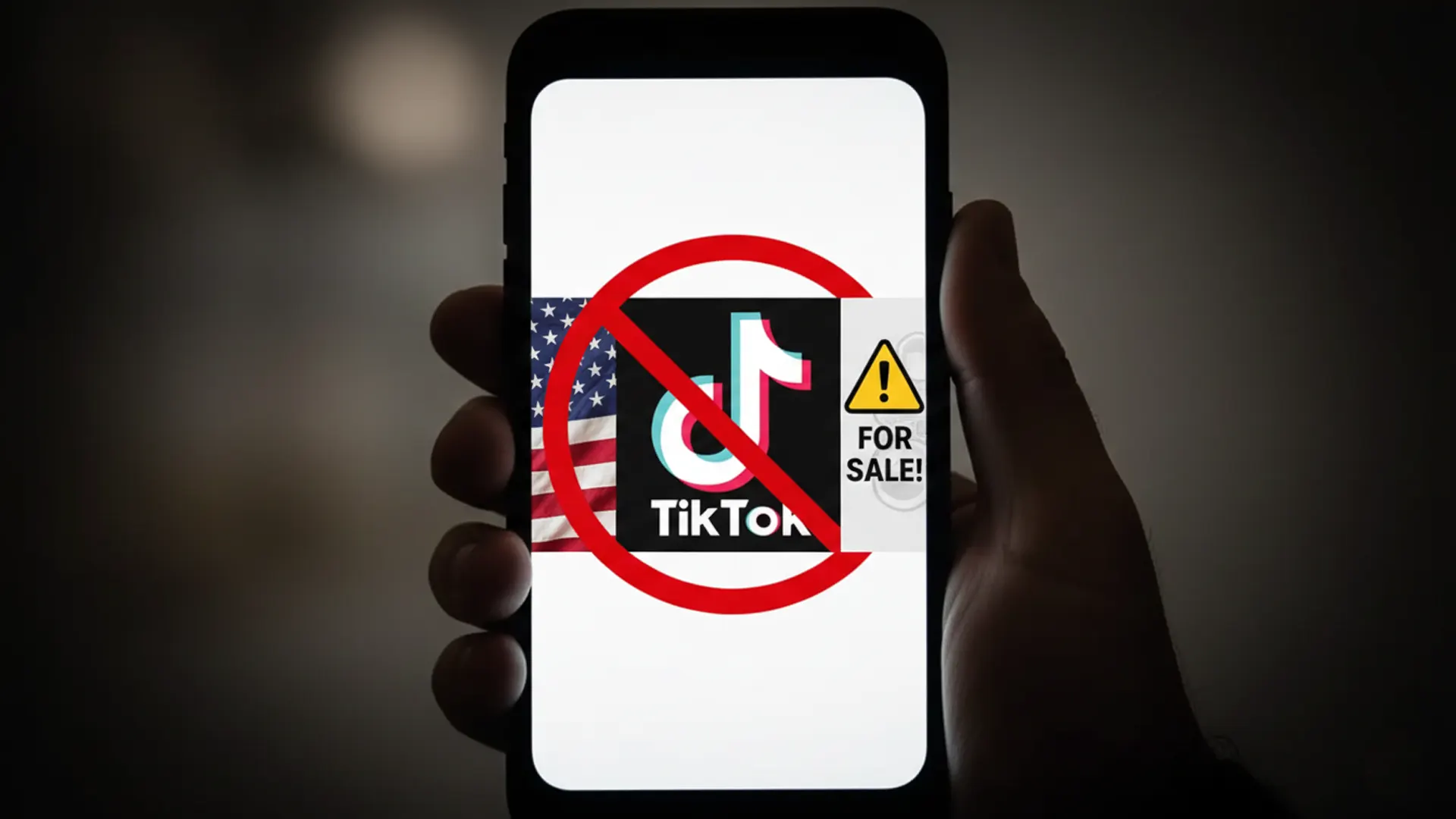
TikTok’s future in the United States is hanging in the balance, and it has become one of the most talked-about cultural and political flashpoints in the country. At the center of the debate is whether TikTok’s Chinese parent company, ByteDance, will be forced into a U.S. sale — or whether the platform could face a nationwide ban.
The issue touches everything from national security and data privacy to free speech, creator livelihoods, and digital culture.
🧠 What’s Happening With TikTok in the U.S.
Supreme Court Upholds “Sale or Ban” Law
The U.S. Supreme Court recently upheld federal legislation requiring ByteDance to either divest TikTok’s U.S. operations or face a ban. Legal analysts quoted by The Guardian argue the ruling raises serious First Amendment concerns, while supporters say it’s a necessary national security measure.
The law sets the stage for one of the most significant tech ownership shakeups in U.S. history.
Sale Talks and Political Pressure
According to ABC News, discussions around a potential TikTok sale have intensified, but major questions remain unanswered — including who could buy the platform and whether China would approve the transfer of TikTok’s algorithm.
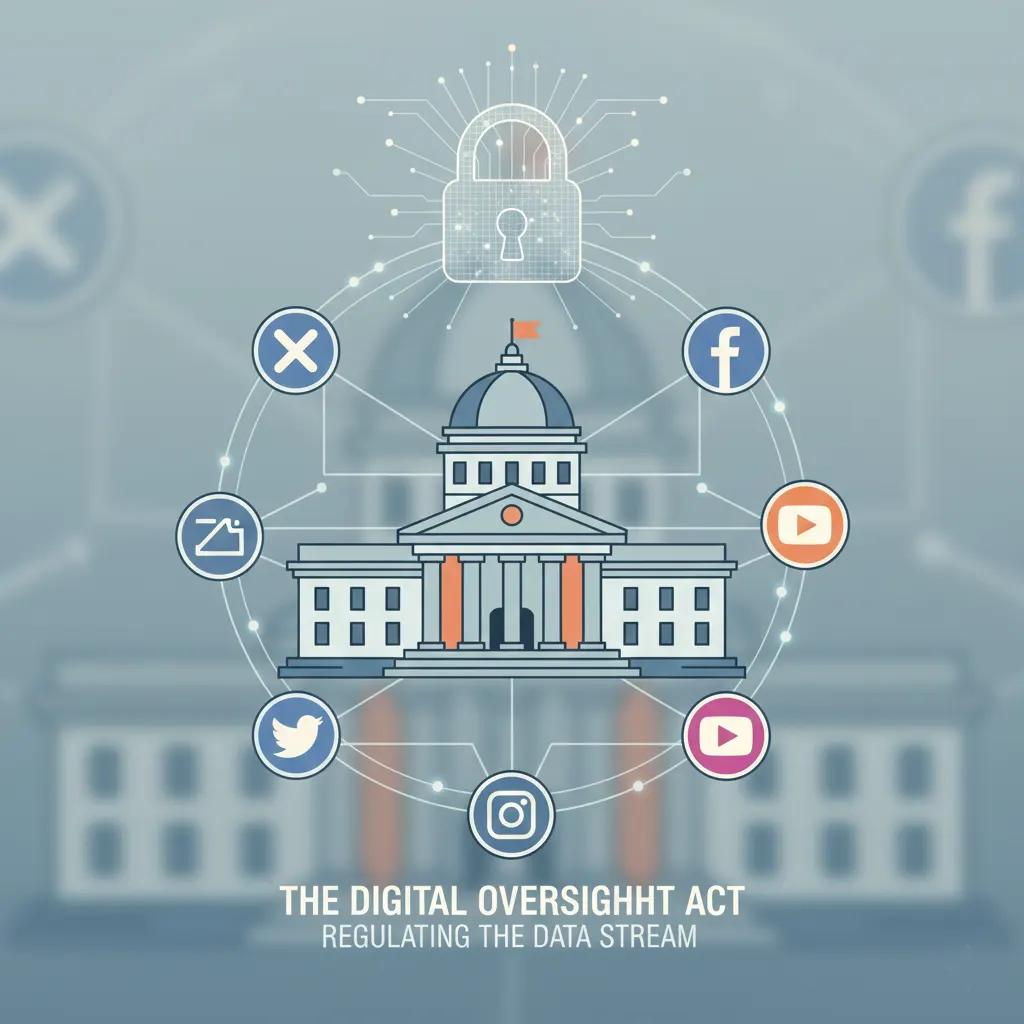
Coverage from AP News highlights how the issue has become a bipartisan political pressure point, with lawmakers on both sides framing TikTok as a symbol of broader U.S.–China tech tensions.
ByteDance Pushback
ByteDance has repeatedly argued that a forced sale is not technically or legally feasible. As reported by The New York Times, the company claims separating TikTok’s U.S. operations — particularly its recommendation algorithm — would undermine the platform’s functionality.
TikTok has also framed the issue as a free-speech battle, emphasizing the millions of American voices that rely on the app.
📌 Why TikTok’s Fate Matters
For Users and Creators
If TikTok is removed from U.S. app stores, millions of creators could lose a primary source of income and visibility. Pew Research Center notes that TikTok plays a disproportionate role in shaping Gen Z culture, news consumption, and identity formation.
For many small businesses, TikTok is not just a platform — it’s a sales engine.
For Brands and the Creator Economy
Marketing analysts at Insider Intelligence warn that a ban could force brands to rapidly redistribute ad spend to platforms like Instagram Reels, YouTube Shorts, and emerging short-form apps — reshaping the entire creator economy.
For Tech Policy
The debate is being closely watched by global regulators. As Brookings Institution explains, TikTok’s case could set a precedent for how governments handle foreign-owned digital platforms in the future.
🧾 What Happens Next
Several outcomes remain possible:
- A U.S.-Approved Sale: Potential buyers could include U.S. investment groups or tech firms, pending regulatory approval.
- Extended Deadlines: Lawmakers may delay enforcement to allow more time for negotiations, as previously reported by Reuters.
- A Full Ban: If no agreement is reached, TikTok could eventually be banned or significantly restricted in the U.S.
🔮 The Cultural Impact
Beyond politics and policy, TikTok’s uncertain future has sparked widespread conversation about:
- Who controls digital culture
- How much power governments should have over platforms
- Whether social media has become essential infrastructure
As Vox has noted, TikTok is no longer “just an app” — it’s a cultural force shaping music, fashion, language, and activism.
TikTok’s potential U.S. sale or ban is more than a tech business story. It’s a defining cultural moment that sits at the intersection of politics, global power, and everyday digital life.
Whether TikTok survives through a sale or disappears from American phones, the outcome will reshape the social media landscape — and how culture itself spreads — for years to come.
#TikTokBan #TikTokNews #TechPolicy #DigitalCulture #CreatorEconomy #SocialMediaTrends #USChina