


February 15th — better known as Singles Awareness Day — used to be framed as a cultural afterthought to Valentine’s Day. But in 2026, it represents something far more powerful: the rise of the Quirkyalone generation and the booming Solo Economy in the United States.
Instead of a “pity party,” millions of Americans are embracing independence, self-investment, solo travel, and intentional living. According to the U.S. Census Bureau, nearly 30% of U.S. households are now single-person homes — a historic high that is reshaping housing, dining, travel, and financial industries.
From “Single” to “Self-Directed”
The term Quirkyalone was popularized by author Sasha Cagen, redefining singlehood as a choice rooted in self-respect and intentionality.
Today, that philosophy fuels a massive shift in consumer behavior:
- Solo vacations instead of couples’ getaways
- Studio apartments designed for functionality and comfort
- Self-care subscriptions
- Skill-building investments and online learning
What was once stigmatized is now a powerful economic driver.

The Solo Travel Boom
Searches for “solo travel USA” continue to rise, especially among Millennials and Gen Z professionals.
Major travel platforms like Airbnb and Expedia report growing demand for single-occupancy bookings. Meanwhile, airlines are offering more flexible fare structures, reflecting changing travel patterns.
Solo travelers are prioritizing:
- Wellness retreats
- Remote work destinations
- National parks
- Urban cultural experiences
The Travel + Leisure industry has identified solo travel as one of the fastest-growing segments of U.S. tourism.
Dining Alone Is No Longer Taboo
Restaurants are redesigning spaces to welcome individual diners. Bar seating layouts, communal tables, and reservation systems are evolving.
Apps like OpenTable now allow users to easily filter solo reservations. Food delivery platforms such as Uber Eats have capitalized on one-person ordering patterns.
In major cities like New York, Los Angeles, and Chicago, solo dining has shifted from awkward to aspirational — a sign of confidence and autonomy.
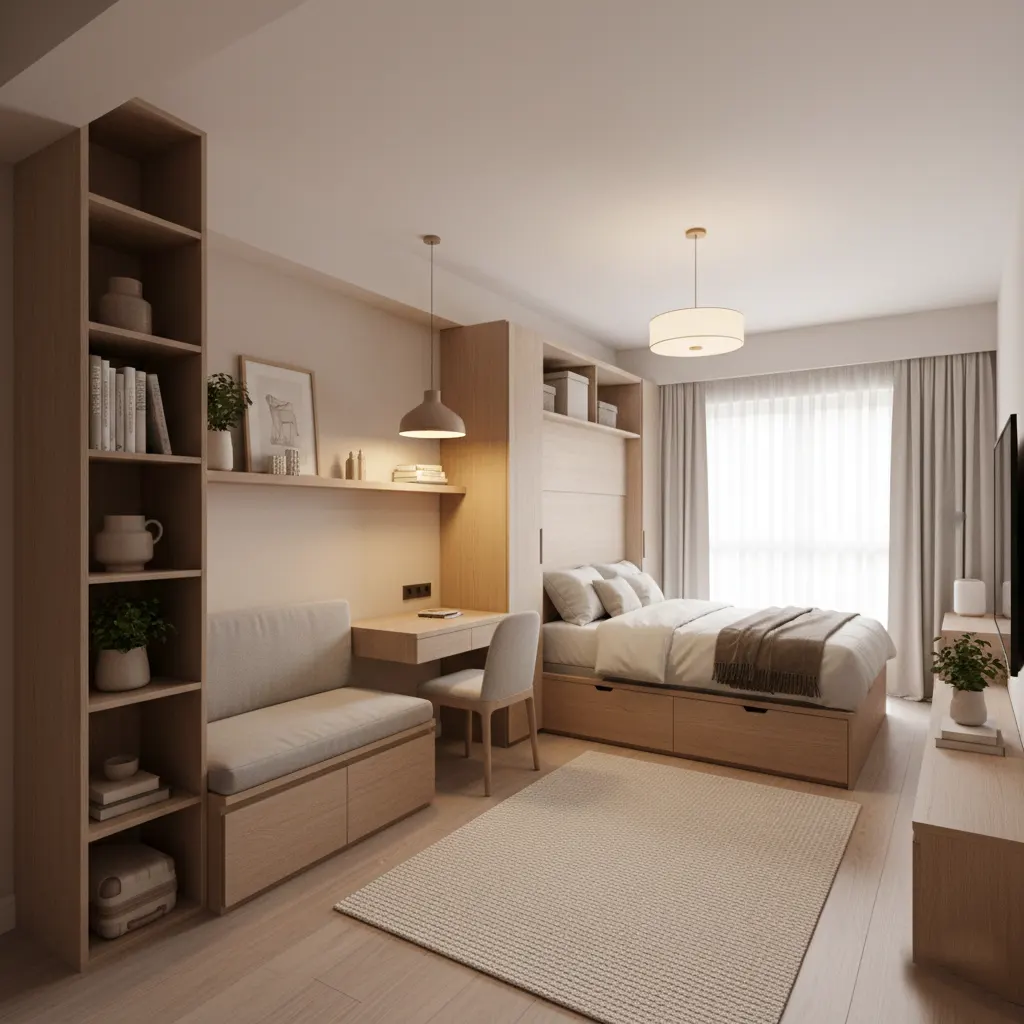
The Rise of One-Person Household Design
Interior design is also adapting. Developers are building smaller, smarter living spaces that maximize functionality.
Retailers such as IKEA are expanding compact living solutions. Meanwhile, the National Association of Home Builders notes increased demand for micro-units and efficient layouts tailored to one-person households.
Key trends include:
- Convertible furniture
- Workspace integration
- Wellness-focused lighting
- Minimalist aesthetics
The Financial Power of Self-Investment
Singles are redirecting traditional “couple spending” toward personal growth. This includes:
- Online certifications
- Investment accounts
- Fitness programs
- Side business development
Platforms like Coursera and personal finance resources such as NerdWallet are seeing increased engagement from solo earners focused on long-term wealth building.
Without the financial coordination of a partner, singles often have greater autonomy in investment decisions — accelerating participation in brokerage accounts, retirement plans, and high-yield savings products.
The Solo Economy: A Multi-Billion Dollar Market
From housing to hospitality to fintech, the Solo Economy represents one of the fastest-growing consumer segments in the United States.
Brands are no longer marketing “for couples.” They are designing for autonomy, flexibility, and independence.
Singles Awareness Day is no longer about what you lack — it’s about what you build.
#SinglesAwarenessDay #SoloEconomy #Quirkyalone #SoloTravel #SingleLife #SelfInvestment #OnePersonHousehold