

 By Vinod Ram
February 28 marks Public Sleeping Day — a reminder that rest isn’t laziness, it’s biology.
In a U.S. hustle culture defined by long hours, back-to-back Zoom calls, and burnout, the humble power nap may be one of the most underrated productivity tools available.
The Science Behind the Power Nap
According to the Sleep Foundation, a 10–20 minute nap can improve alertness, mood, and cognitive performance without causing grogginess.
Research from National Institutes of Health (NIH) also links short daytime naps to improved memory consolidation and reduced stress levels.
Meanwhile, the CDC reports that more than one-third of U.S. adults are sleep-deprived.
⏱ Ideal Nap Lengths
- 10–20 minutes: Boost alertness & focus
- 30 minutes: Risk of sleep inertia (grogginess)
- 60–90 minutes: Full sleep cycle for creativity
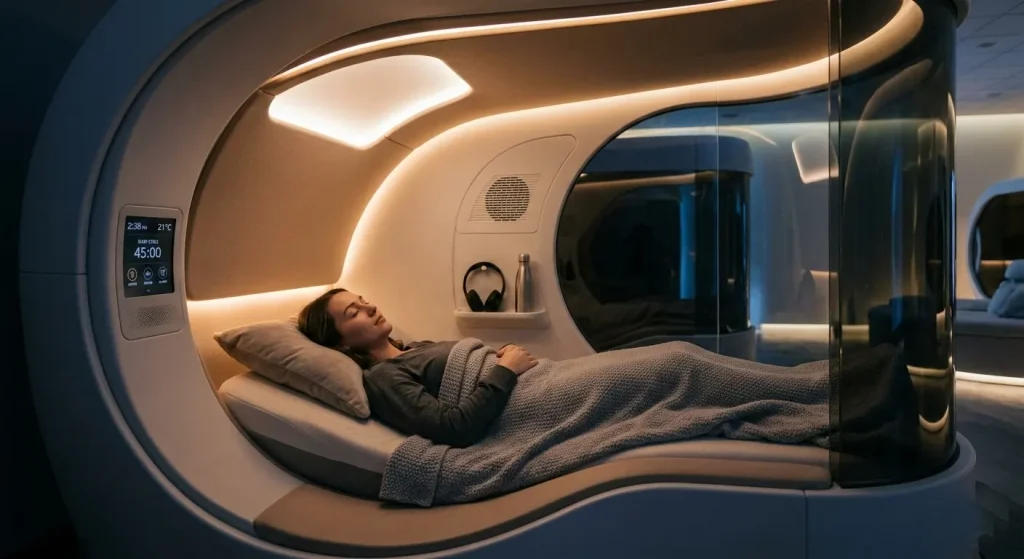
Can You Nap at Work? The Corporate Shift
Major companies have quietly embraced rest culture. Employers in high-stress industries are investing in wellness programs to reduce burnout and turnover.
Workplace stress costs U.S. businesses billions annually, according to the American Psychological Association.
Forward-thinking offices now include:
- Designated quiet rooms
- Flexible break policies
- Nap pods
- Mental health days
Some tech-forward workspaces inspired by WeWork wellness models have even experimented with sleep-friendly environments.
The Best Nap Pods in Major U.S. Cities
If your office isn’t nap-friendly, dedicated rest spaces are growing nationwide.
- New York City: Nap York offers private sleep pods in Manhattan.
- San Francisco: Wellness lounges across the Bay Area offer hourly nap rentals.
- Los Angeles: Boutique wellness studios provide meditation + nap spaces.
As burnout conversations expand, rest spaces are becoming part of urban self-care culture.
Why Napping May Boost Productivity
A NASA study found that a 26-minute nap improved pilot performance by 34% and alertness by 54%.
Short rest breaks can:
- Increase reaction time
- Reduce workplace errors
- Enhance creativity
- Lower cortisol (stress hormone)
In a performance-driven economy, rest is becoming a competitive advantage.
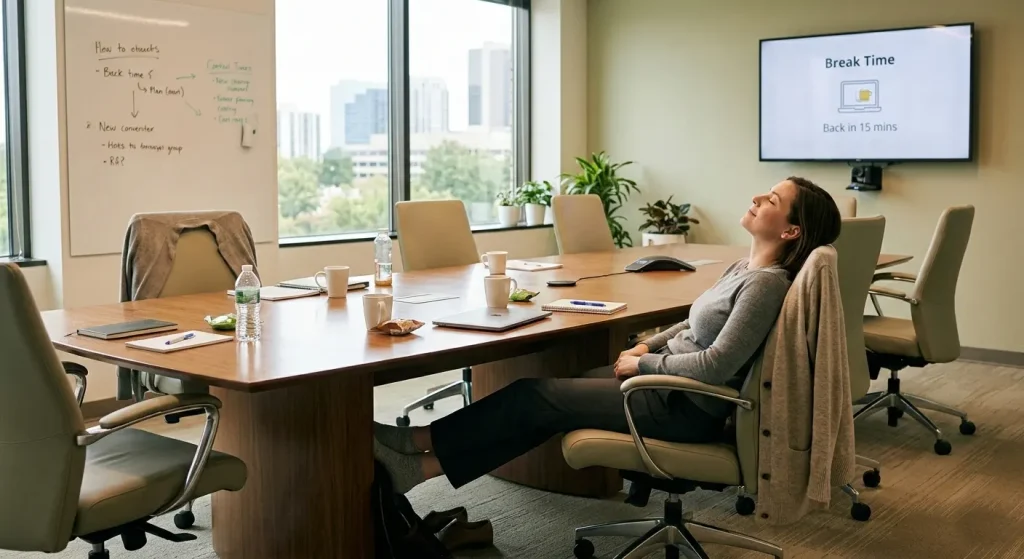
🗣 How to Advocate for Rest at Work
- Present scientific evidence to HR
- Suggest pilot quiet-room programs
- Promote mental health initiatives
- Encourage flexible scheduling policies
💬 Let’s Talk
In honor of Public Sleeping Day:
What’s the strangest place you’ve ever fallen asleep?
On a commute? During a meeting? At the airport?
Drop your story in the comments 👇
#PublicSleepingDay #PowerNap #WorkplaceWellness #SleepScience #BurnoutRecovery #NapCulture #HealthyWorkplace