

 By Vinod Ram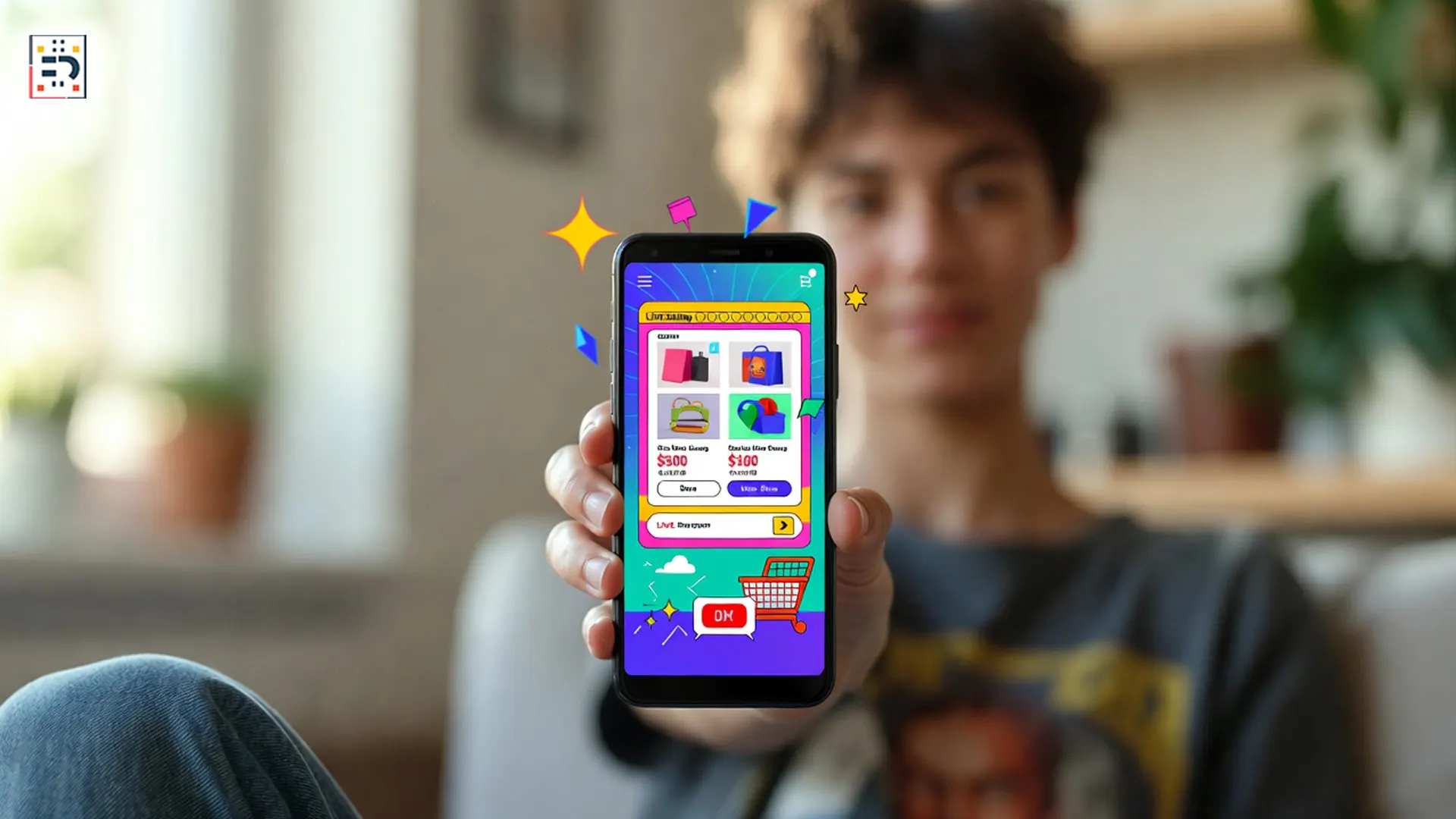
A major shift is unfolding in the US e-commerce landscape. Gen Z shoppers are moving away from traditional online marketplaces like Amazon and embracing a new, interactive shopping model known as live-selling.
At the center of this shift sits Whatnot, a fast-growing live-commerce platform that blends entertainment, community, and real-time purchasing. For younger consumers raised on livestreams and social media, shopping now feels less like a transaction and more like an experience.
What Is Live-Selling?
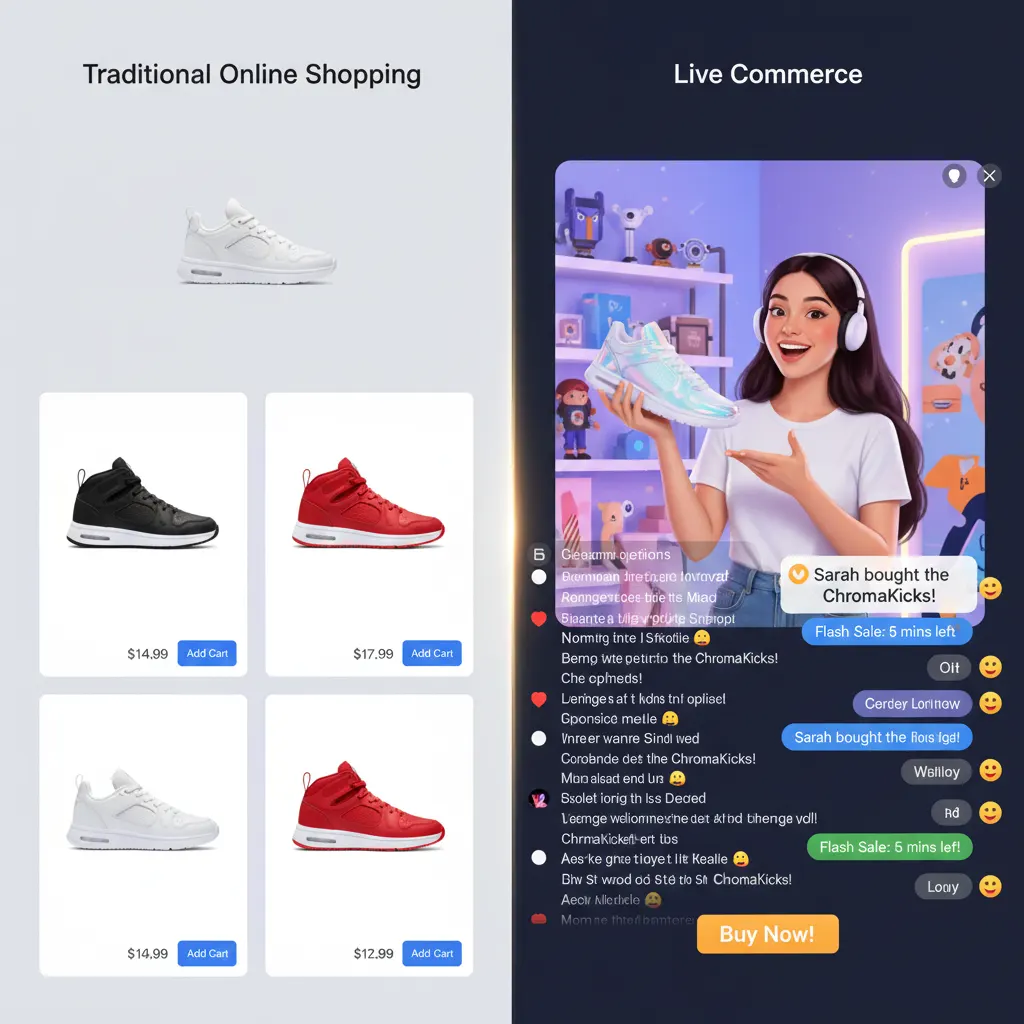
Live-selling allows sellers to showcase products through livestreams while viewers interact, ask questions, and purchase instantly. The model first gained traction in China through platforms like Alibaba and has now taken hold in the US.
Unlike static product listings, live-selling adds urgency, personality, and authenticity. Buyers watch products in real time and hear unscripted reactions. This format resonates strongly with Gen Z, which values transparency and creator-led commerce.
Why Gen Z Is Moving Away From Amazon
Amazon still dominates online retail, but younger shoppers increasingly view it as impersonal and overwhelming. Endless product listings, sponsored placements, and questionable reviews have reduced trust among Gen Z buyers.

According to research from McKinsey, Gen Z prioritizes discovery, community, and creator recommendations over convenience alone.
Whatnot addresses these concerns by centering shopping around real people instead of algorithms. Sellers build followings, buyers form relationships, and transactions feel personal.
How Whatnot Works
On Whatnot, sellers host scheduled livestreams where they auction or sell products in real time. Popular categories include trading cards, sneakers, vintage fashion, collectibles, and electronics.
Buyers can chat directly with hosts, request product demos, and compete in live auctions. The platform also integrates payment and shipping, creating a seamless end-to-end experience.
This structure mirrors platforms Gen Z already uses, such as Twitch and TikTok, which lowers friction and boosts engagement.
The Social Commerce Advantage
Live-selling thrives on social proof. When buyers see others bidding or purchasing, confidence rises. This dynamic creates urgency that traditional e-commerce cannot replicate.
Platforms like Instagram Shopping and TikTok Shop have adopted similar features, but Whatnot focuses entirely on live commerce. That focus gives it an edge with niche communities and collectors.
What This Means for the Future of E-Commerce
Analysts expect live commerce in the US to grow rapidly over the next five years. As reported by Forrester, younger consumers will continue to drive demand for interactive retail experiences.
Amazon has experimented with live-shopping features, but it struggles to match the community-driven energy that platforms like Whatnot deliver naturally.
Is Amazon Really Being Replaced?
Amazon is unlikely to disappear, but its role is changing. Gen Z now uses Amazon more for replenishment purchases than discovery.
For discovery, entertainment, and community-driven buying, platforms like Whatnot increasingly win attention. The shift signals a broader evolution in how younger generations define online shopping.
Live-selling reflects a deeper cultural change. Gen Z wants interaction, trust, and entertainment baked into commerce.
Whatnot’s rise shows that the future of e-commerce belongs to platforms that feel human, not transactional. As live commerce expands, traditional marketplaces will need to adapt—or risk losing the next generation of buyers.
#LiveSelling #Whatnot #GenZShopping #SocialCommerce #EcommerceTrends #AmazonVsWhatnot #DigitalCommerce