


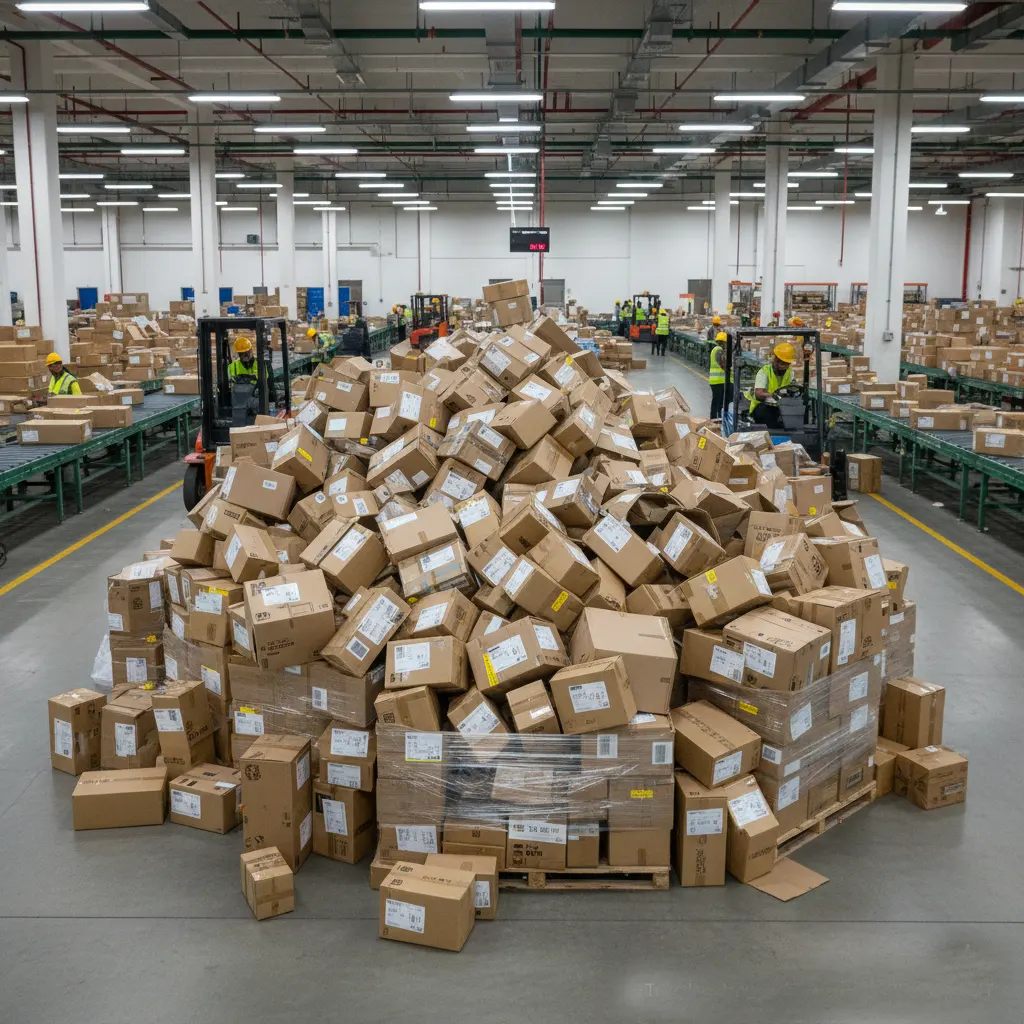
Retail returns have become a $850 billion problem. As online shopping continues to dominate consumer behavior, brands are struggling with the hidden costs of reverse logistics. In response, a surprising new policy has emerged: instead of asking customers to ship items back, retailers are increasingly telling them to keep it or donate it.
This shift marks a major move toward circular commerce, where sustainability, cost savings, and customer experience intersect.
Why Returns Are Costing Retailers $850 Billion
Product returns are no longer a minor operational issue. According to estimates cited by the National Retail Federation, returns now cost the retail industry roughly $850 billion annually.
Shipping, restocking, labor, and product depreciation quickly eat into margins. In many cases, the cost of returning a low-priced item exceeds its resale value.
As e-commerce scales, traditional return models are proving unsustainable.
What Is the “Keep It or Donate It” Policy?
Under “keep it or donate it” policies, customers receive a refund without sending the product back. Brands may suggest donating the item to charity or simply keeping it.
Major retailers and marketplaces experimenting with this approach include companies featured in coverage by The Wall Street Journal and Business Insider.
This strategy focuses on reducing reverse-shipping costs and minimizing waste, rather than recapturing every returned item.
How Circular Commerce Changes the Math
Circular commerce rethinks the lifecycle of products. Instead of moving items back and forth across warehouses, brands focus on:
- Reducing transportation emissions
- Lowering logistics and labor costs
- Improving customer satisfaction
- Supporting reuse and donation
Retail analysts at McKinsey & Company note that circular strategies often outperform traditional return models when margins are thin.
In short, it’s cheaper to refund than to ship.
Why Retailers Are Letting Customers Keep Items
Several factors drive this decision:
- Low-cost or bulky items are expensive to ship
- Returned goods may be unsellable
- Warehousing capacity is limited
- Consumers expect frictionless returns
By eliminating return shipping, brands reduce operational strain while maintaining goodwill.
This approach also builds loyalty. Customers perceive the policy as generous, even when it’s financially strategic.
The Sustainability Angle
Environmental impact plays a growing role in return policy decisions.
Shipping millions of items back and forth generates emissions, packaging waste, and landfill overflow. Encouraging donation or reuse aligns with sustainability goals.
Organizations like the Ellen MacArthur Foundation advocate circular models as essential to reducing retail’s environmental footprint.

Potential Risks and Downsides
Despite its advantages, the “keep it or donate it” model carries risks.
- Increased return abuse
- Challenges in tracking donated goods
- Loss of resale inventory
To manage this, retailers typically apply the policy selectively—often using algorithms to determine when refunds without returns make sense.
What This Means for the Future of Retail
The rise of circular commerce signals a broader shift in retail economics.
Rather than optimizing for maximum recovery, brands are optimizing for efficiency, loyalty, and sustainability.
As return volumes grow, expect more retailers to adopt flexible, data-driven policies that prioritize long-term value over short-term recovery.
The “keep it or donate it” trend reflects a new reality in retail. With $850 billion lost to returns, shipping everything back no longer makes sense.
Circular commerce offers a pragmatic solution—one that saves money, reduces waste, and meets modern consumer expectations.
In the age of e-commerce, sometimes the smartest return is no return at all.
#CircularCommerce #RetailTrends #EcommerceReturns #SustainableRetail #ReverseLogistics #FutureOfRetail #RetailInnovation