

 By Vinod Ram
The global health and lifestyle technology sector has undergone a massive transformation in the years following the pandemic. From advanced wearables to AI-enhanced home-fitness systems and smart-home wellness ecosystems, technology now shapes how millions manage their daily routines—especially across high-income regions such as the United States, Canada, the UK, Australia, and Western Europe.
These shifts are supported by global organizations and market reports, such as the WHO digital health guidelines, Statista wearable tech market data, and Consumer Technology Association reports, all showing rapid adoption and spending increases.
Why Health & Lifestyle Tech Exploded After the Pandemic
As lockdowns forced consumers indoors, technology filled the gaps—improving access to fitness, wellness, and daily convenience. The biggest shifts included:
- Home-fitness ecosystems with advanced AI coaching
- Wearable health monitors offering medical-grade insights
- Smart-home automation shaping mood, air quality, and safety
- Telehealth platforms providing instant care access
These behavioral habits have become permanent, supported by research from market insights showing continuous upward adoption.
The Rise of Personal Health Technology
1. Wearables Evolve Into Daily Health Companions
Wearables are now far beyond simple step counters. Modern devices track:
- Heart-rate variability (HRV)
- Blood-oxygen levels (SpO2)
- Sleep stages and recovery patterns
- Stress and readiness scores
- AI-driven wellness predictions
Brands such as Apple, Garmin, Fitbit, and Oura now focus on premium health metrics. Research from Statista’s wearable technology data confirms strong demand across high-income markets.
Home-Fitness Tech Goes Mainstream
2. Smart & Connected Fitness Equipment
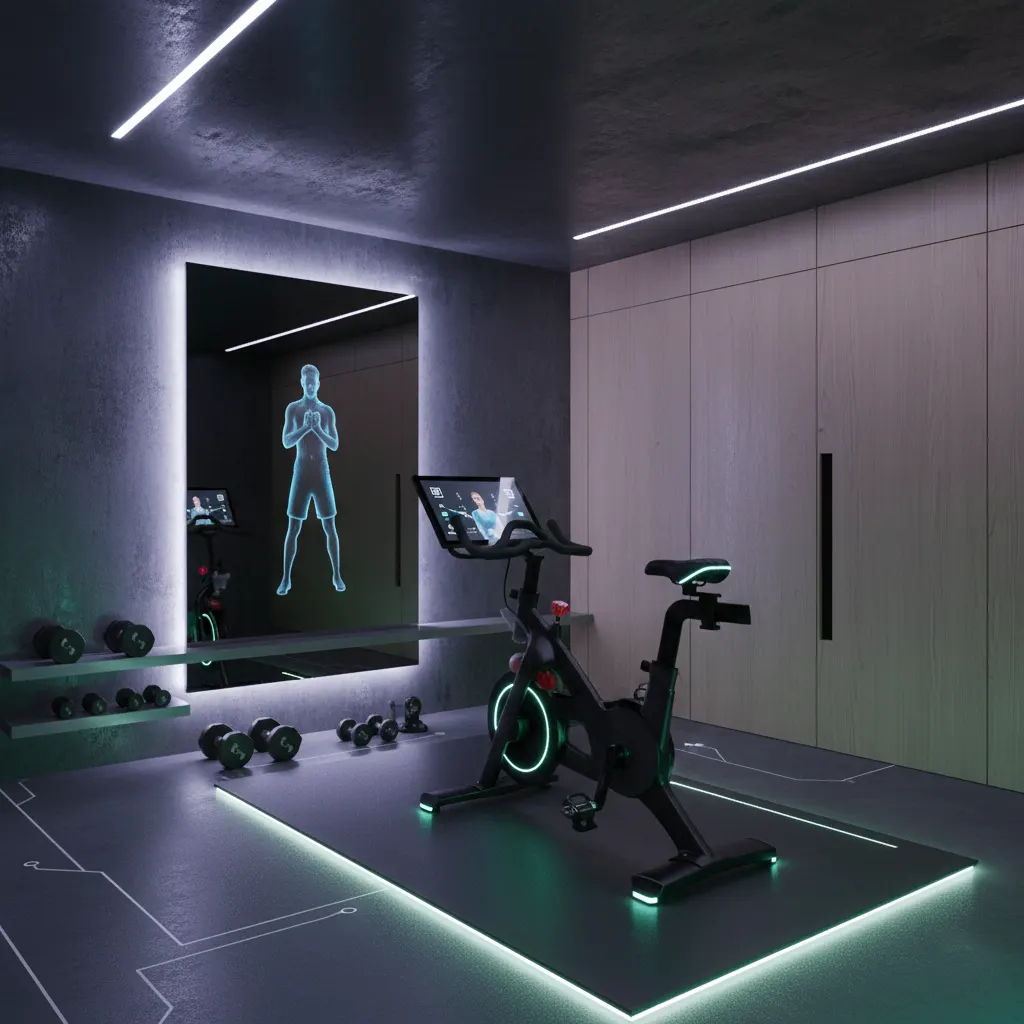
The home gym became an essential investment during the pandemic, leading to booming sales for:
- Peloton smart bikes
- Tonal strength systems
- Tempo AI trainers
- Hydrow connected rowers
With high-quality streaming classes and personalized coaching, these systems rival in-person gyms. The Consumer Technology Association notes connected fitness remains one of the strongest digital lifestyle categories.
Smart-Home Adoption Surges
3. Wellness-Focused Smart Homes
Today’s smart-home devices don’t just provide convenience—they enhance health. Top categories include:
- Smart air purifiers with real-time air-quality monitoring
- Sleep-optimizing lighting systems
- Voice assistants enabling hands-free wellness routines
- Energy-efficient climate automation supporting comfort
- Smart security systems providing peace of mind

Cross-referencing global guidelines from the WHO’s digital health standards shows how these technologies are increasingly blending with healthcare ecosystems.
Telehealth & Digital Wellness Keep Growing
Telehealth surged during the pandemic and remains strong due to convenience and insurance integration. Popular categories include:
- Mental health therapy apps
- AI-powered chat-based therapy
- Chronic condition monitors
- Nutrition and wellness tracking
Consumer interest aligns with reliable industry reporting, such as the CTA’s digital health innovation insights.
What’s Next?
The next generation of health and lifestyle tech will prioritize:
- AI-personalized coaching built on biometrics
- Medical-grade wearables for advanced diagnostics
- Home robots for assistance and independent living
- Ambient health monitoring through built-in home sensors
As AI integrates deeper into consumer tech, wellness will become more automated, personalized, and data-driven.
#HealthTech #LifestyleTech #SmartHome #WearableTech #HomeFitness #DigitalWellness #TechTrends #PostPandemic #ConnectedLiving #WellnessTech