

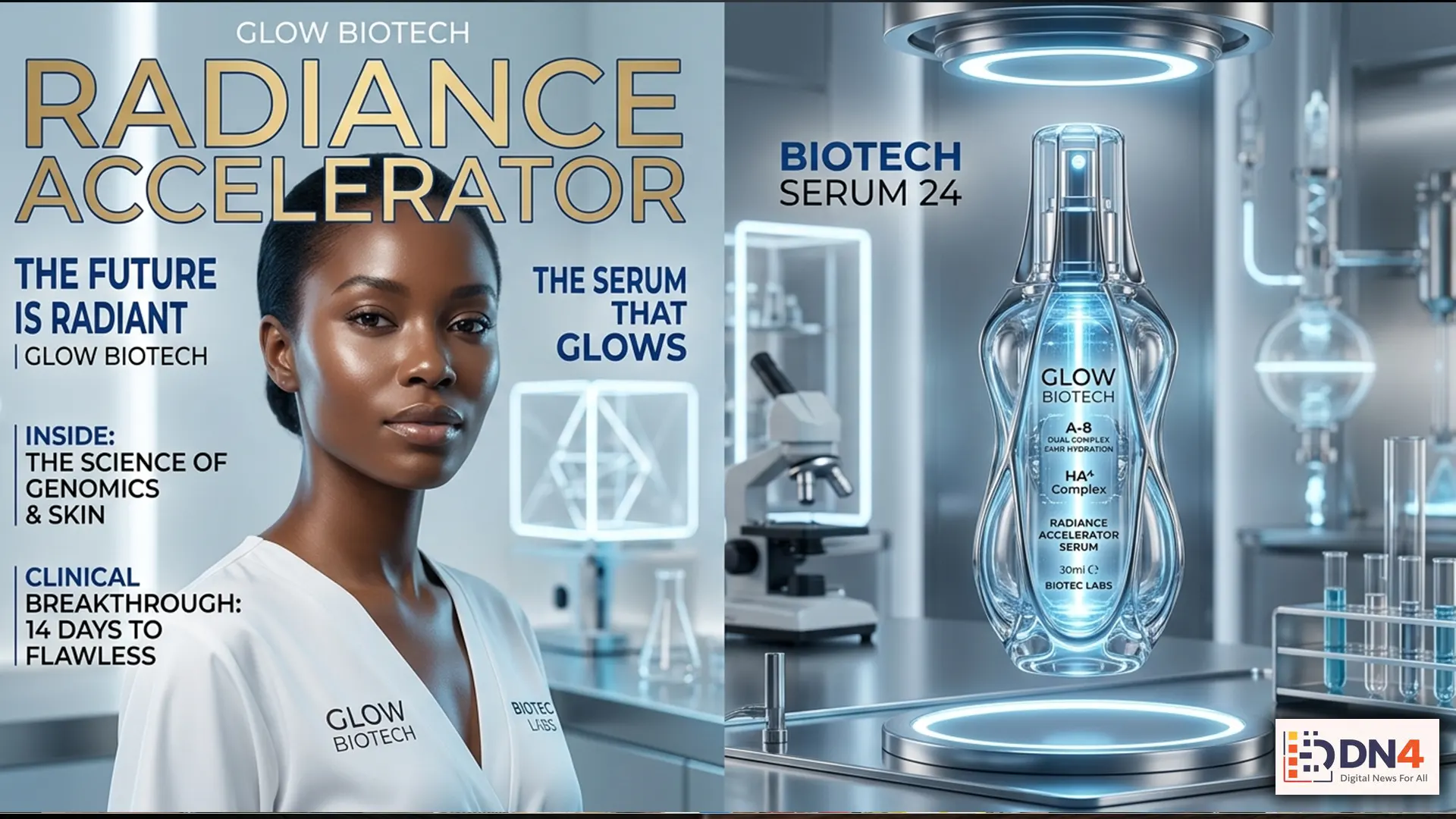
Every few years, the beauty industry finds a new “miracle” ingredient that promises to change skincare forever. In 2026, that conversation is increasingly centered around one futuristic-sounding product category: exosome-based skincare.
From luxury facial clinics to influencer-led beauty routines and biotech skincare startups, exosome serum is suddenly everywhere — often marketed as the next frontier in skin rejuvenation, repair, and age-defying results.
That has naturally led to the biggest question in beauty right now: Is exosome serum actually the new Botox?
The short answer: not exactly. But the reason people are asking that question says a lot about where skincare, aesthetics, and consumer beauty psychology are heading next.
What Exosome Serum Is Supposed to Do
Exosomes are tiny extracellular vesicles involved in cell-to-cell communication. In skincare and aesthetic medicine, they are often positioned as advanced delivery systems that may help support skin repair, improve texture, reduce visible inflammation, and enhance the appearance of rejuvenation.
That sounds incredibly impressive — and it is exactly why the category has generated so much buzz across beauty media, premium clinics, and cosmetic treatment spaces.
In consumer-facing terms, exosome serums are often marketed around benefits like:
- Brighter-looking skin
- Smoother texture
- Improved post-treatment recovery support
- Reduced appearance of fine lines
- A more “healed” or refreshed skin look
That makes them especially appealing in an era where consumers want results that feel both clinical and luxury-coded at the same time.
Why People Are Calling It “The New Botox”
The Botox comparison is less about mechanism and more about positioning.
Botox became iconic because it symbolized fast, visible, age-conscious beauty optimization. It was not just a treatment — it became a cultural shorthand for “doing something” about aging.
Exosome serum is now entering a similar cultural lane, but with a more modern aesthetic:
- Less frozen-face stigma
- More “skin health” language
- More biotech and regenerative branding
- More wellness-adjacent appeal
In other words, Botox was the injectable era’s anti-aging symbol. Exosome serum is trying to become the post-injectable, skin-optimization era’s prestige badge.
But Here’s the Reality: It’s Not a Direct Botox Replacement
This is where consumers need to stay grounded.
Botox and exosome serum are not doing the same job.
Botox works by temporarily relaxing targeted muscles to soften dynamic wrinkles. Exosome serum, by contrast, is generally discussed in skincare and aesthetic settings as a regenerative or skin-supportive product — not a muscle-modulating injectable.
That means anyone expecting exosome serum to literally replace wrinkle-relaxing procedures may be misunderstanding what it is designed to do.
A more realistic framing is this:
- Botox changes movement-related wrinkle expression
- Exosome serum aims to improve overall skin quality and recovery appearance
Those are related beauty goals — but they are not the same intervention.
Why the Trend Is Taking Off Anyway
Even with that distinction, the exosome serum boom makes perfect sense in 2026.
Consumers increasingly want skincare that feels:
- Scientifically advanced
- High-performance
- Less invasive than traditional procedures
- Compatible with “natural but optimized” beauty culture
Exosome serum fits that demand almost perfectly.
It sounds futuristic, expensive, intelligent, and elevated — which is exactly the kind of beauty positioning that performs well in a social-media-driven skincare market.
It also taps into a larger shift happening across aesthetics: people are moving away from obvious transformation and toward high-maintenance subtlety.
That means consumers increasingly want to look fresher, smoother, glowier, and better-rested — without looking overtly “done.”
The Smart Consumer Question Isn’t “Is It Better?” — It’s “What Is It Actually Good For?”
The most useful way to evaluate exosome serum is not by asking whether it replaces Botox, but by asking what role it realistically plays in a skincare or aesthetic routine.
For many consumers, the answer may be that it works best as part of a broader skin-quality strategy rather than as a single miracle solution.
That means its appeal may be strongest among people who already care about:
- Barrier support
- Post-procedure skin appearance
- Texture refinement
- Luxury treatment layering
- Preventive aging routines
That is a very different consumer use case than “erase wrinkles instantly.”
Exosome serum is not the new Botox in the literal sense — but it may absolutely be the beauty industry’s next major anti-aging status symbol.
Its rise reflects something bigger than one product trend: a consumer shift toward biotech beauty, regenerative language, and subtle high-performance skincare that promises visible results without obvious intervention.
In 2026, exosome serum is not replacing Botox. It is replacing the old idea of what aspirational anti-aging is supposed to look like.
#ExosomeSerum #SkincareTrends #BotoxAlternative #BeautyTech #AntiAging #Skincare2026 #LuxuryBeauty #AestheticMedicine #GlowSkin