

 By Vinod Ram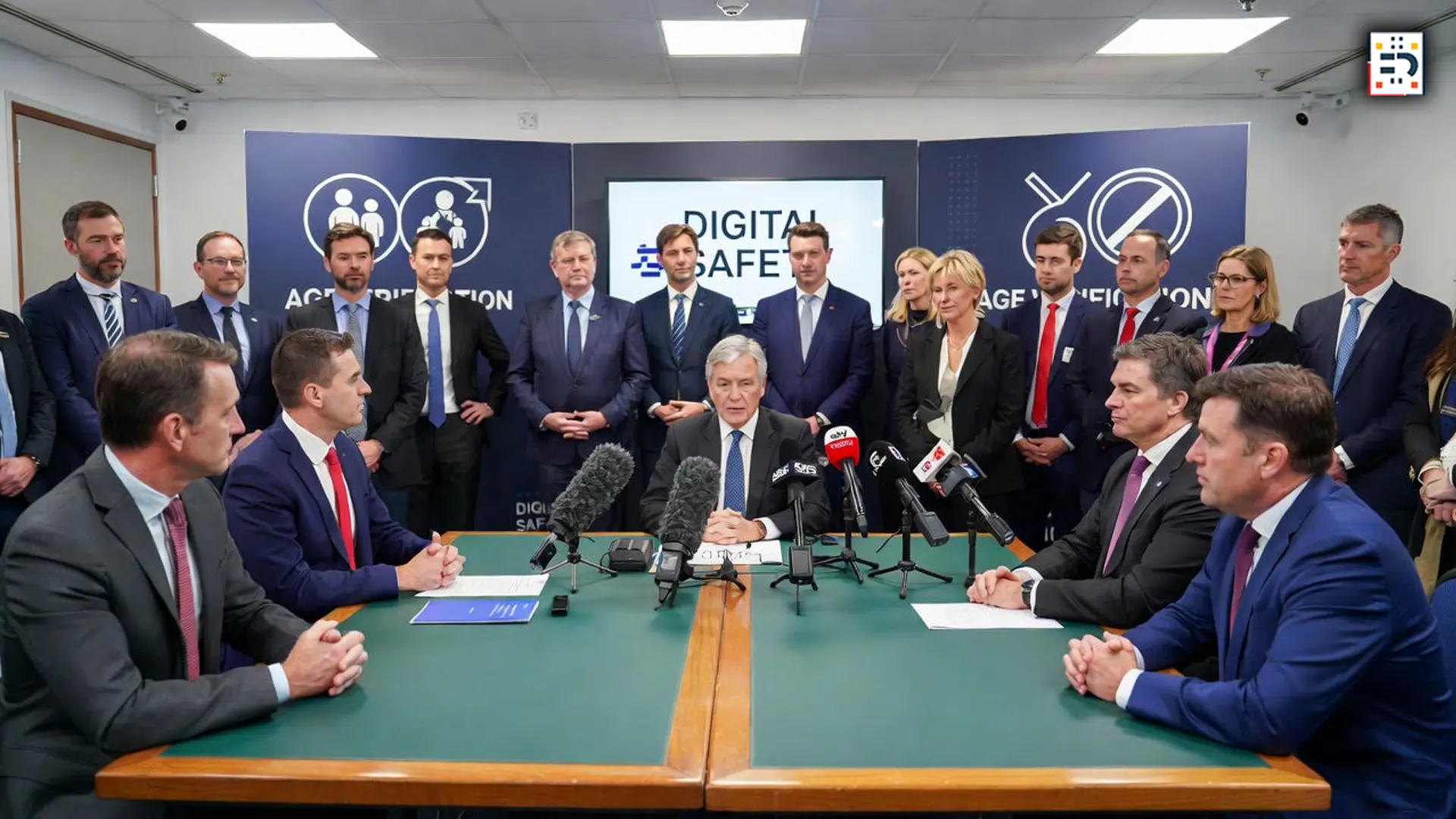
Australia has announced a world-first policy: a nationwide ban preventing children under 16 from accessing major social media platforms. The move comes amid growing concern over online harms, mental health impacts, and the role of algorithms in exposing young people to harmful content.
According to reporting from ABC News Australia, The Sydney Morning Herald, and statements from Australia’s federal government, the ban is framed as a major step toward protecting children’s wellbeing in an increasingly digital world.
What the New Social Media Ban Actually Includes
The policy restricts children under the age of 16 from creating or accessing accounts on major platforms such as:
- TikTok
- Snapchat
- X (formerly Twitter)
- YouTube (logged-in features)
Platforms must verify users’ ages using approved technologies — and this requirement includes age-estimation systems, document checks, or third-party verification tools.
Why Australia Introduced the Ban
Government officials point to rising evidence linking social media use with anxiety, depression, and cyberbullying among teens, and they argue that firmer protections are now necessary. The policy follows multiple reviews into online harms and youth mental health, including consultations with child-safety experts.
Key motivations include:
- Reducing exposure to harmful or adult content.
- Limiting algorithm-driven addictive behaviors.
- Protecting children’s privacy from data collection.
- Preventing contact with unknown adults online.
For additional context, see Australia’s eSafety Commissioner guidelines at eSafety.gov.au.
How Platforms Will Be Forced to Comply
The government is expected to require:
- Mandatory age verification at sign-up.
- Regular audits of verification systems.
- Penalties for platforms that repeatedly fail compliance.
- Stricter rules for recommendation algorithms targeting minors.
Tech companies continue to raise concerns about cost, privacy, and implementation feasibility, and these issues will likely influence how the policy ultimately works.

Concerns and Criticisms
Digital rights groups and parent organizations express several concerns — especially about privacy, education access, and the likelihood that teens may circumvent the ban through VPNs or alternative apps.
Common criticisms include:
- Age verification may require sensitive data sharing.
- Teenagers may move to unregulated platforms.
- Parents are divided on whether the policy is too strict or overdue.
- Implementation may require constant regulatory oversight.
What Happens Next?
The government is expected to finalize implementation timelines after consulting industry experts, privacy regulators, and platform operators. The government may roll out the ban gradually over several months so companies have enough time to upgrade their systems. Other countries are now watching closely to see whether Australia’s model becomes a blueprint for future regulation.
Australia’s social media ban for under-16s marks a historic turning point in global digital regulation. While the policy aims to protect children, it also raises complex questions about privacy, practicality, and long-term impacts. As implementation begins, families, platforms, and policymakers will closely follow how this world-first experiment unfolds and what challenges emerge.
#Australia #SocialMediaBan #OnlineSafety #AgeVerification #TechPolicy #DigitalSafety #YouthProtection #GlobalRegulation #SocialMediaNews #PolicyUpdate