

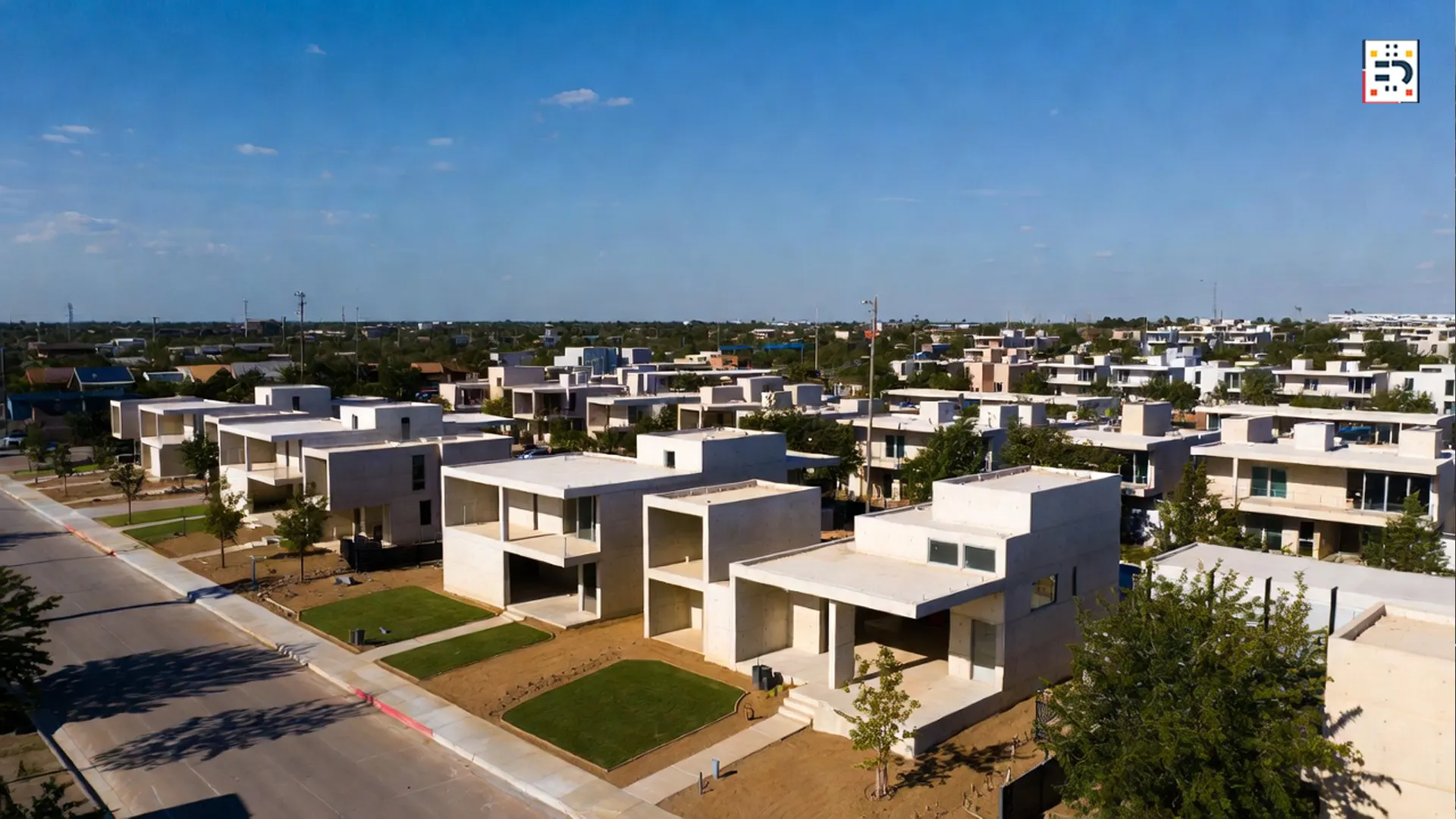
Viral videos showing entire neighborhoods being built by massive 3D printers have put Austin, Texas at the center of the housing conversation. At the heart of the trend is ICON, a construction technology company promising faster, cheaper, and more resilient homes. As the 2026 housing crisis deepens, many are asking whether 3D-printed communities could be a real solution.
What Is ICON and Why Is It Trending?
ICON is an Austin-based construction company that uses large-scale 3D printers to build concrete homes layer by layer. The company has partnered with developers and local governments to create entire residential communities.
Short-form videos on TikTok and Instagram show robotic arms printing walls in hours instead of weeks, fueling massive online interest.
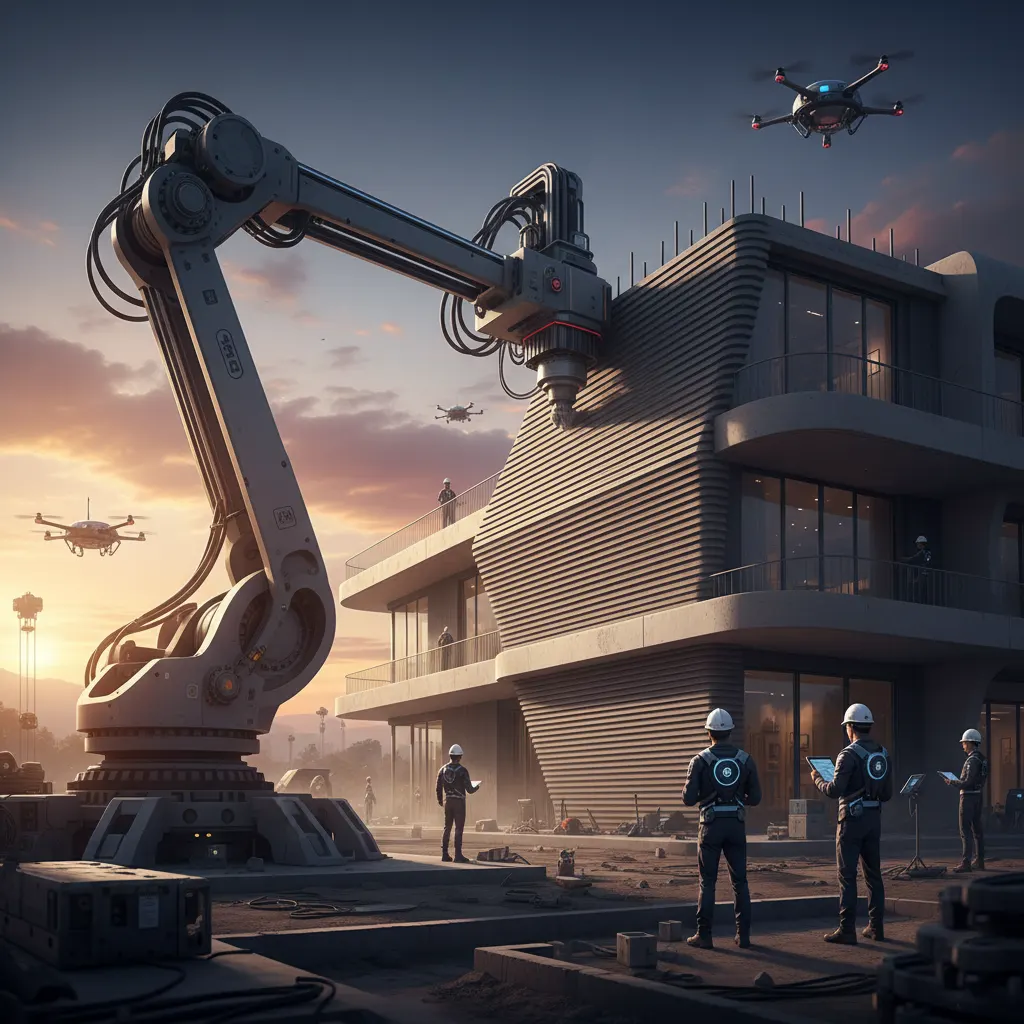
How 3D-Printed Homes Work
ICON’s printers extrude a proprietary concrete mix to form walls directly from digital designs. This method reduces labor needs, shortens construction timelines, and minimizes material waste.
According to coverage by CNBC, a single 3D-printed home shell can be completed in days rather than months. Traditional finishes like roofing, windows, and interiors are added afterward.
Why Austin Became the Testing Ground
Austin faces rapid population growth, rising rents, and limited housing supply. These pressures make it an ideal location for experimental construction methods.
Local reporting from The Texas Tribune notes that city leaders have shown openness to alternative housing solutions, especially those aimed at affordability.
Can 3D Printing Actually Lower Housing Costs?
Supporters argue that automation cuts labor costs and speeds up delivery. ICON claims its technology can lower construction expenses by up to 30 percent in some cases.
However, analysts quoted by Bloomberg caution that land prices, permits, and infrastructure still drive overall housing costs. Printing the walls faster does not solve every affordability issue.
Durability, Safety, and Climate Resilience
ICON promotes its homes as more durable than traditional wood-frame construction. Concrete walls offer improved resistance to fire, pests, and extreme weather.
The company has also partnered with NASA to research 3D-printed habitats, adding credibility to the technology’s long-term potential.
Criticism and Open Questions
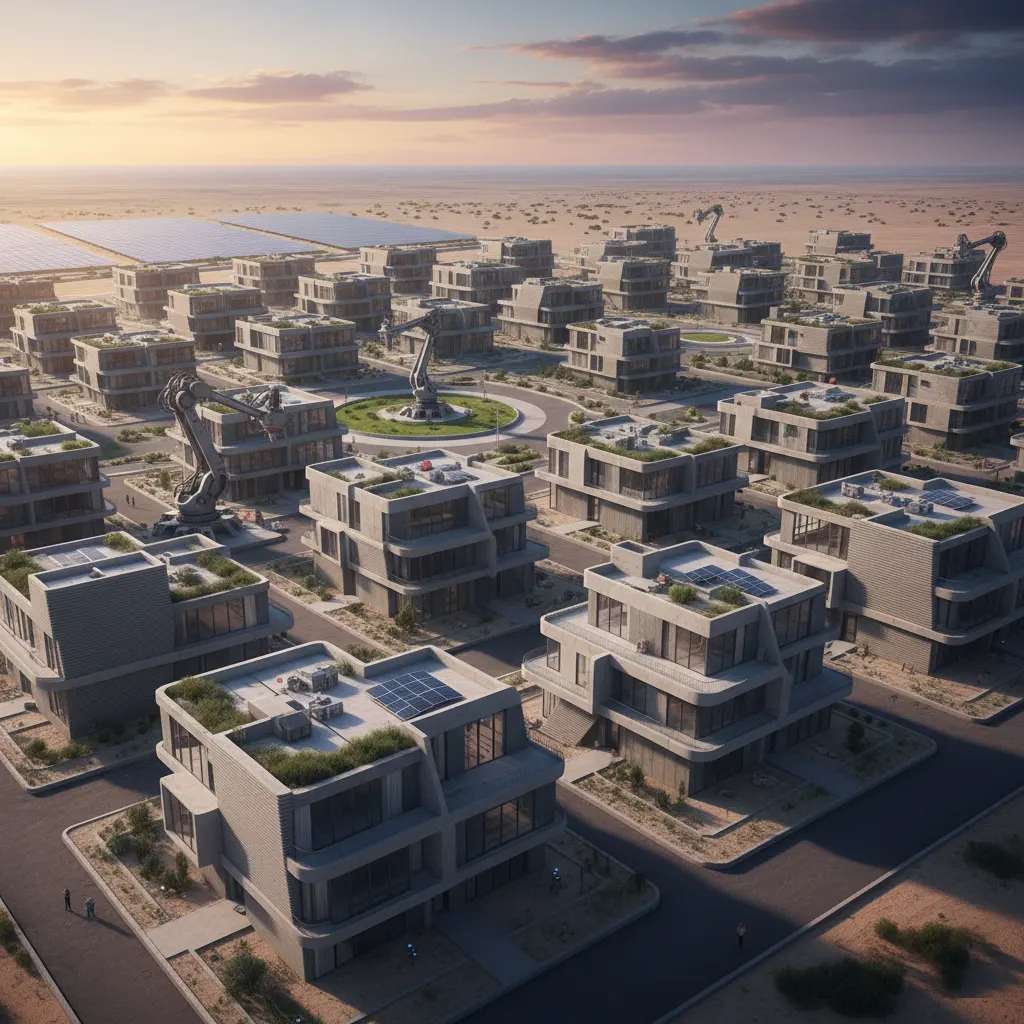
Critics raise concerns about scalability, design variety, and regulatory hurdles. Building codes and zoning laws have not fully caught up with automated construction.
Housing experts interviewed by Fast Company also warn that technology alone cannot fix housing shortages without policy reform.
Is This the Future of Housing?
ICON’s Austin neighborhoods represent a shift in how homes can be built. While they will not solve the housing crisis overnight, they offer a glimpse of what tech-driven construction could achieve.
As demand grows and regulations evolve, 3D-printed communities may become a meaningful part of the housing mix in 2026 and beyond.
#3DPrintedHomes #HousingCrisis #ICONBuild #FutureOfHousing #PropTech #AffordableHousing