

 By Vinod Ram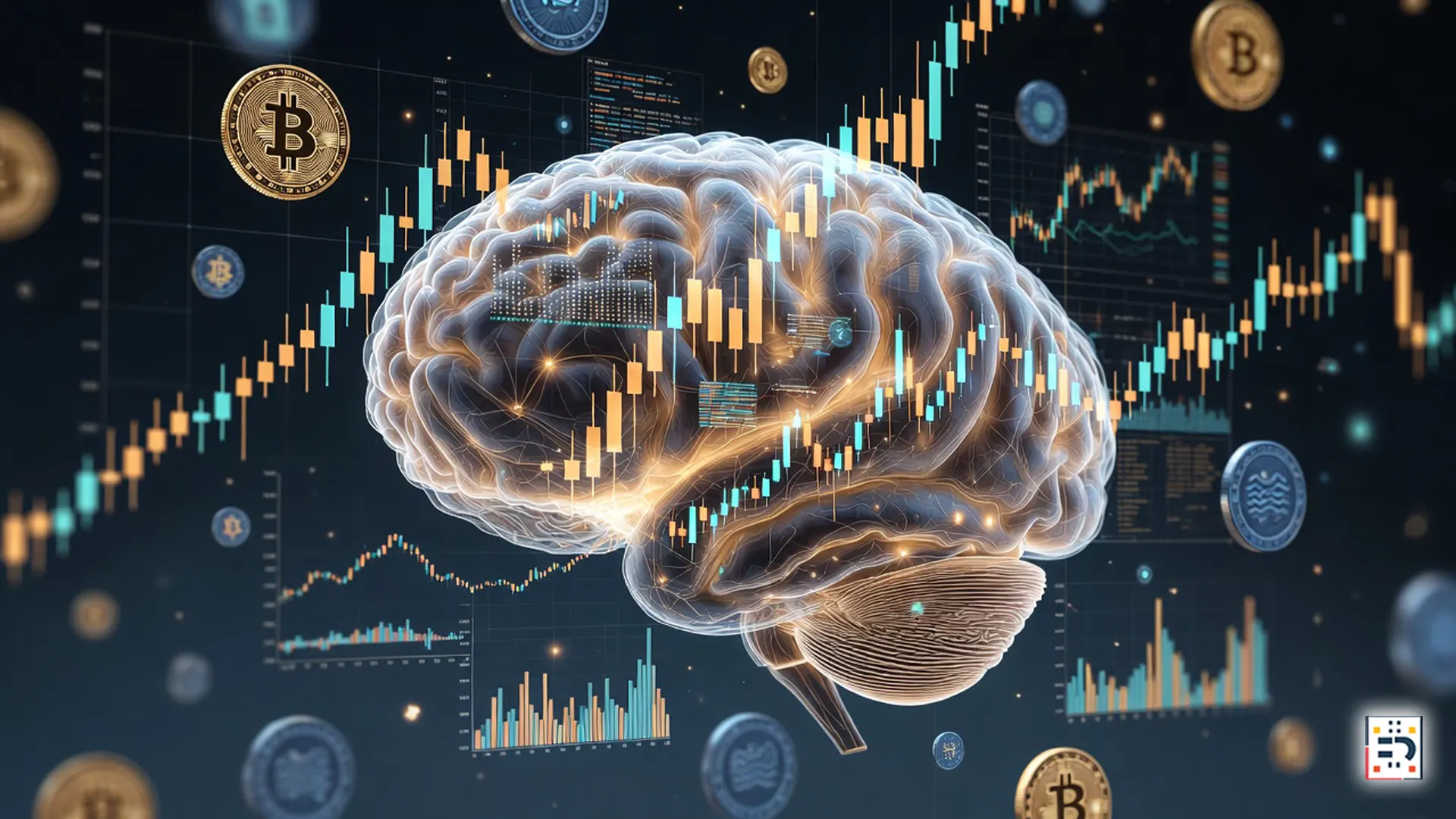
Wealth is being redefined. For decades, success meant building financial capital—stocks, real estate, retirement accounts. But as we approach 2026, a new asset class is emerging at the center of ambition: the human brain.
From neuro-supplements to “cognitive portfolios,” people in their 20s and 30s are increasingly investing not just in what they own—but in how well they think.
What Is “Brain Wealth”?
Brain Wealth refers to the intentional accumulation of cognitive capacity—focus, memory, creativity, emotional regulation, and learning speed—as a form of long-term personal capital.
Unlike traditional wellness trends, Brain Wealth is framed as an economic advantage. In knowledge-driven economies, cognitive performance directly influences income, career mobility, and adaptability.
This shift mirrors the rise of the future of work, where mental agility often matters more than physical output.
The Neuro-Supplement Boom
At the heart of this movement is the rapid growth of neuro-supplements—products designed to support brain health, focus, and long-term cognition.
Popular categories include:
- Nootropics for focus and productivity
- Adaptogens for stress regulation
- Omega-3s and choline for memory support
- Sleep-optimized compounds for recovery
Brands positioned at the intersection of neuroscience and wellness have gained traction among young professionals, especially those in tech, finance, and creative industries.
According to analysis from market research firms, the global nootropics market continues to expand as consumers prioritize cognitive longevity over short-term stimulation.
From Investment Portfolios to Cognitive Portfolios
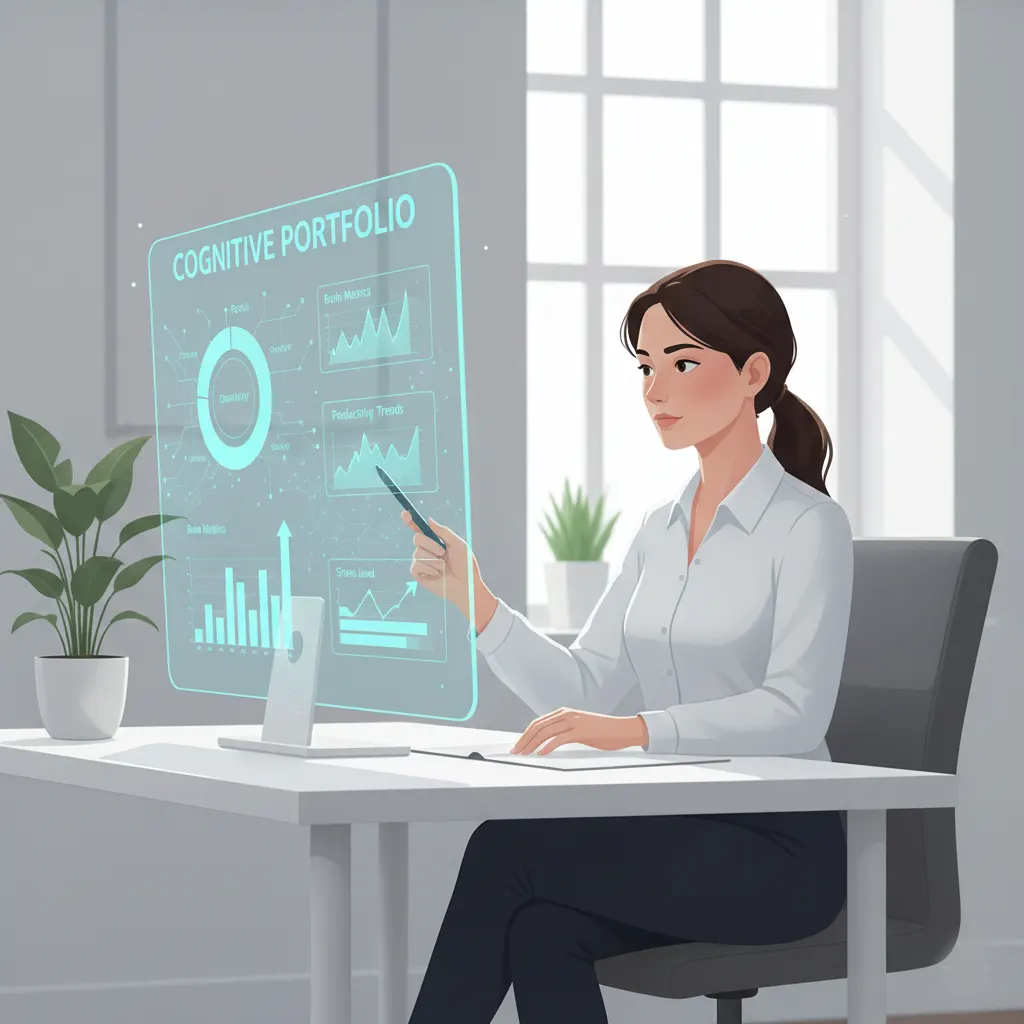
Just as investors diversify financial assets, many now curate cognitive portfolios—a mix of habits, tools, and supplements designed to optimize mental performance across contexts.
A modern cognitive portfolio may include:
- Targeted neuro-supplements
- Meditation or neurofeedback practices
- AI-powered learning tools
- Sleep, nutrition, and exercise protocols
This approach treats the brain as a long-term appreciating asset rather than a resource to be burned out.
Why Millennials and Gen Z Are Leading the Shift
Younger generations face a unique economic reality:
- Longer careers with faster skill obsolescence
- AI-driven job disruption
- High competition in global labor markets
For many in their 20s and 30s, improving cognitive performance feels more actionable than chasing traditional markers of wealth like home ownership.
Platforms discussing productivity, longevity, and self-optimization—such as those influenced by neuroscience-driven content—have accelerated mainstream interest.
The AI Effect: Why Brain Wealth Matters More Than Ever
As artificial intelligence automates routine tasks, the premium shifts toward uniquely human abilities:
- Complex decision-making
- Creative synthesis
- Emotional intelligence
- Strategic thinking
Ironically, the more powerful AI becomes, the more valuable optimized human cognition is.
In this context, investing in brain health is increasingly seen as a hedge against automation—similar to how education functioned in previous economic transitions.

Risks, Reality, and the Hype Question
Not all neuro-optimization claims are created equal.
Experts caution that:
- Supplements vary widely in quality and evidence
- Lifestyle fundamentals still matter most
- There is no single “smart pill” solution
However, the broader trend is less about miracle products and more about intentional cognitive stewardship.
Why 2026 Is the Inflection Point
Several forces converge in 2026:
- Mainstream acceptance of brain health as wealth
- More transparent neuroscience research
- AI accelerating cognitive competition
- A generation optimizing for longevity, not burnout
Just as financial literacy defined previous decades, cognitive literacy may define the next.
Brain Wealth is not about hacking intelligence—it’s about protecting and compounding it.
For people in their 20s and 30s, the most valuable investment may no longer be a stock or a startup—but a resilient, adaptable, and high-performing mind.
By 2026, the question may no longer be “What do you earn?” but “How well can you think?”
#BrainWealth #NeuroSupplements #FutureOfWork #Productivity #Biohacking #MentalPerformance