

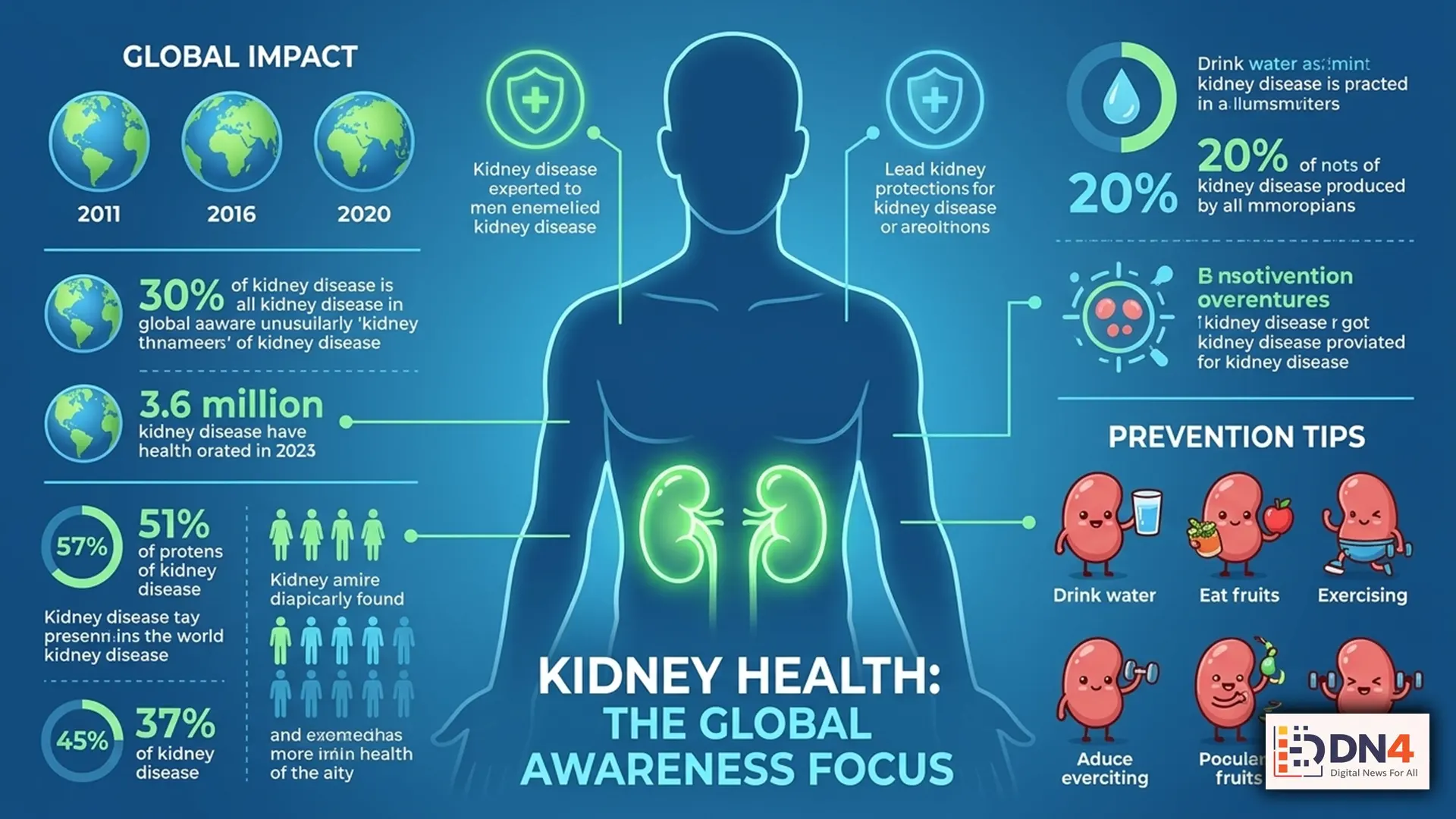
Every year, World Kidney Day brings global attention to one of the most overlooked areas of health: kidney disease prevention.
The 2026 campaign theme, “Kidney Health for All,” focuses on expanding access to early detection, preventative care, and public education about chronic kidney disease.
Organized by the World Kidney Day initiative, the annual event is supported by leading organizations including the National Kidney Foundation.
Health experts emphasize that millions of people worldwide are living with kidney disease without even realizing it.
The Silent Threat of Kidney Disease
Chronic kidney disease (CKD) is often described as a “silent disease” because symptoms may not appear until significant damage has already occurred.
According to data from the World Health Organization, kidney disease affects hundreds of millions of people globally.
Common risk factors include:
- High blood pressure
- Diabetes
- Obesity
- Family history of kidney disease
- Long-term use of certain medications
Without early intervention, kidney damage can progress to kidney failure requiring dialysis or transplant.

Breakthroughs in Early Detection
One of the most promising developments in kidney care is the advancement of early diagnostic tools.
Researchers supported by the National Institutes of Health are developing improved biomarkers that can detect kidney damage long before symptoms appear.
These tests analyze blood and urine samples to identify subtle changes that signal declining kidney function.
Earlier diagnosis allows doctors to slow or even halt disease progression through lifestyle changes and medication.
The Rise of Preventative Nephrology
Medical professionals are increasingly focusing on preventative nephrology—a proactive approach to protecting kidney health.
Preventative strategies include:
- Regular kidney function screening
- Blood pressure management
- Blood sugar control for diabetes patients
- Maintaining a balanced diet
- Staying physically active
Health organizations such as the Centers for Disease Control and Prevention encourage routine health checks for individuals with risk factors.
Nutrition and Lifestyle: The First Line of Defense
Diet plays a crucial role in kidney health.
Experts recommend limiting sodium intake, staying hydrated, and choosing nutrient-rich foods that support cardiovascular health.
Whole foods such as fruits, vegetables, whole grains, and lean proteins can help maintain healthy kidney function.
Avoiding excessive processed foods and maintaining a healthy weight are also key preventive measures.

Technology Transforming Kidney Care
Advances in medical technology are also improving kidney disease management.
Wearable health monitoring devices and telemedicine platforms now allow patients to track vital health metrics such as blood pressure and hydration levels in real time.
Digital health tools are helping physicians detect early warning signs and intervene before kidney damage becomes severe.
Global Efforts Toward “Kidney Health for All”
The message of World Kidney Day 2026 is clear: prevention and awareness can save lives.
Governments, healthcare providers, and public health organizations are working together to improve access to kidney screening programs and education campaigns.
By increasing awareness of kidney health, experts hope to reduce the global burden of chronic kidney disease in the years ahead.
World Kidney Day 2026 serves as an important reminder that protecting kidney health begins with prevention.
Through early detection, healthy lifestyle choices, and advances in medical research, millions of people can reduce their risk of kidney disease.
The goal of “Kidney Health for All” is not only to treat kidney disease—but to stop it before it begins.
#WorldKidneyDay #KidneyHealth #PreventativeCare #ChronicKidneyDisease #HealthAwareness #MedicalResearch #HealthyLiving