

 By Vinod Ram
Introduction: Why 2025’s Flu Season Is Raising Alarms
Public health officials are warning that the 2025 flu season could be one of the toughest in years. Early surveillance data from global influenza monitoring programs shows unusually high circulation of multiple respiratory viruses at the same time.
Media have dubbed it the “Super Flu”—not because it’s a single virus, but because overlapping strains, immunity gaps, and winter behavior are colliding at once.
With Christmas travel and gatherings approaching, building everyday immune resilience now matters more than ever.
What Is the “Super Flu” (And What It Isn’t)
The term “Super Flu” is not a medical diagnosis. It refers to a season where flu, RSV, and COVID-like respiratory viruses circulate simultaneously.
According to explanations from seasonal flu surveillance experts, this overlap increases pressure on immune systems—especially among adults who skipped exposure or vaccination in recent years.
The good news: everyday habits still make a measurable difference.
Immunity Hack #1: Fix Sleep Before You Fix Supplements
Sleep is one of the most overlooked immune defenses. Research summarized by sleep and immunity studies shows that people sleeping fewer than six hours a night are significantly more likely to get sick.
Before adding vitamins, focus on:
- 7–9 hours of consistent sleep
- Fixed bedtime and wake-up times
- Reduced late-night screen exposure
Sleep deprivation weakens immune response faster than almost any other lifestyle factor.
Immunity Hack #2: Don’t Ignore the Flu Shot
While no vaccine is perfect, seasonal flu vaccines remain one of the strongest tools for reducing severity and complications.
Guidance from flu vaccination authorities shows that even when vaccines don’t fully prevent infection, they significantly lower hospitalization risk.
This is especially important during heavy seasons like 2025, when healthcare systems face added strain.
Immunity Hack #3: Nutrition Beats “Miracle” Immunity Products
There is no single food or supplement that “boosts” immunity overnight. However, consistent nutrition supports immune function.
According to evidence reviewed by nutrition and immunity research, key dietary priorities include:
- Enough protein to support antibody production
- Fruits and vegetables for micronutrients
- Adequate hydration
Expensive supplements are rarely a substitute for basic dietary consistency.
Immunity Hack #4: Reduce Exposure During Peak Weeks
During high-transmission periods, exposure matters as much as immunity. Public health advice from winter illness prevention guidance continues to emphasize simple measures:
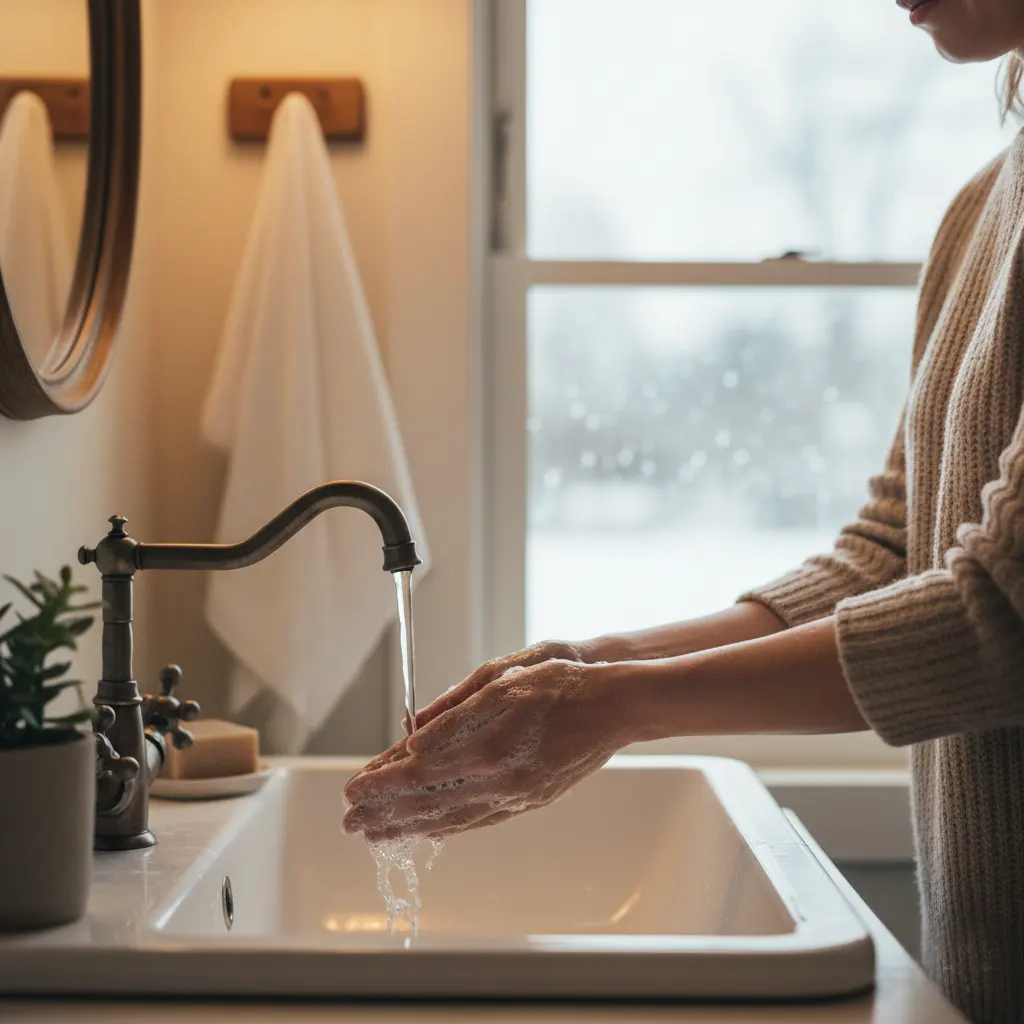
- Hand washing in shared spaces
- Ventilation in crowded indoor settings
- Staying home when symptomatic
These habits aren’t panic-driven—they’re risk management.
Immunity Hack #5: Manage Stress Before the Holidays Hit
Chronic stress suppresses immune response. Studies highlighted by stress and health research show that prolonged stress hormones reduce the body’s ability to fight infections.
As Christmas approaches, consider:
- Protecting sleep during busy weeks
- Setting boundaries around work and travel
- Short daily recovery habits (walks, breathing, quiet time)
Stress management is an immunity strategy, not a luxury.
Who Should Be Extra Cautious
Health agencies note that certain groups face higher risk during intense flu seasons:
- Older adults
- People with chronic conditions
- Caregivers and frontline workers
If you fall into these categories, following guidance from international public health organizations is especially important.
Prepare Calmly, Not Fearfully
The “Super Flu” of 2025 isn’t about panic—it’s about preparation. Seasonal viruses are a fact of winter, but outcomes vary widely based on everyday habits.
By prioritizing sleep, vaccination, nutrition, stress control, and smart exposure reduction, you dramatically improve your odds of staying healthy through Christmas.
Immunity isn’t built in a week—but what you do now still counts.
#SuperFlu #FluSeason2025 #ImmunityHealth #WinterWellness #PublicHealth #SeasonalHealth #HealthPreparedness #WellnessHabits