

Norovirus is once again making headlines in 2025 as outbreaks increase across schools, cruise ships, healthcare facilities, and households. Often called the “stomach flu,” norovirus is highly contagious and can spread rapidly, especially during colder months.
Here’s what you need to know about norovirus in 2025, including symptoms, how it spreads, and the most effective ways to protect your family.
What Is Norovirus?
Norovirus is a highly contagious virus that causes acute gastroenteritis—an inflammation of the stomach and intestines. According to the Centers for Disease Control and Prevention (CDC), it is the leading cause of vomiting and diarrhea worldwide.
In 2025, public health experts are closely monitoring norovirus due to increased outbreaks linked to travel, group gatherings, and institutional settings.
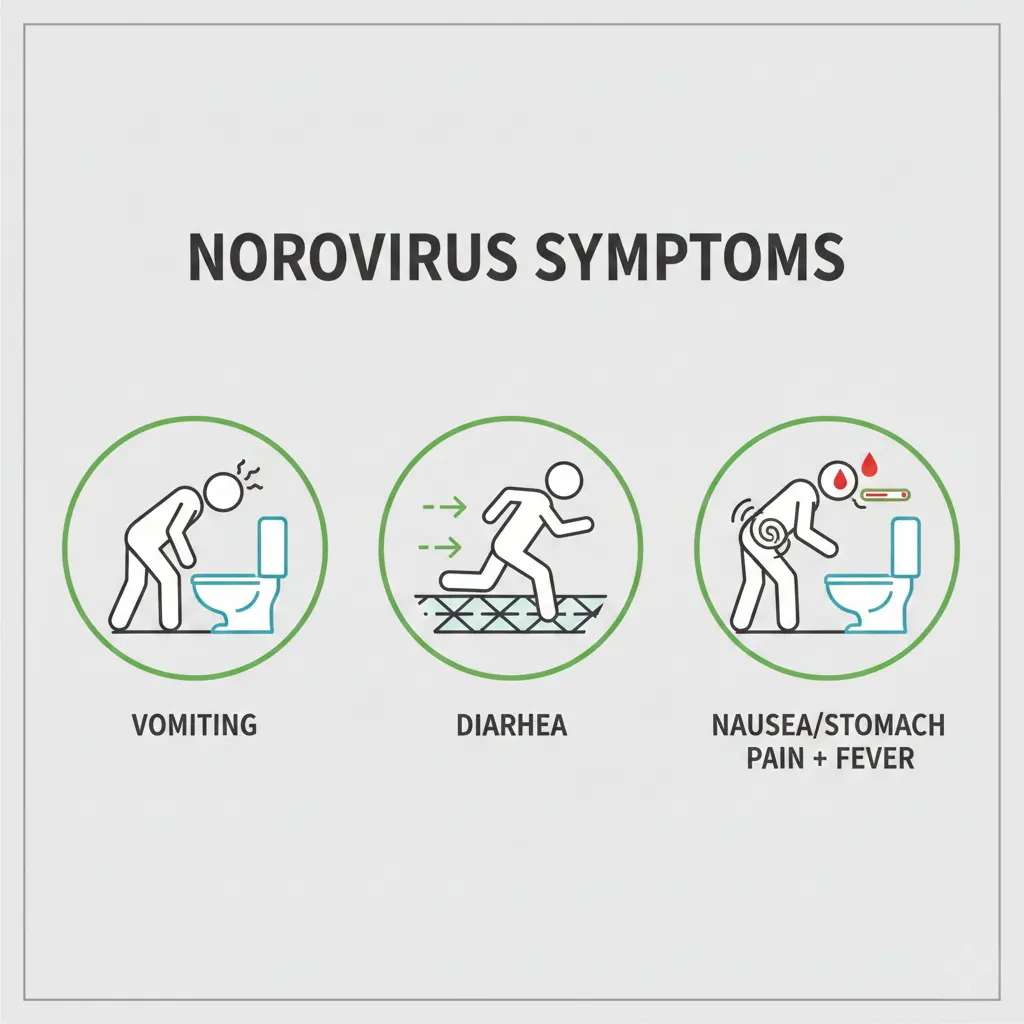
Norovirus Symptoms in 2025
Symptoms typically appear 12 to 48 hours after exposure and may include:
- Sudden nausea and vomiting
- Watery diarrhea
- Stomach cramps and abdominal pain
- Low-grade fever
- Headache and body aches
Most people recover within one to three days, but dehydration can be dangerous—especially for young children, older adults, and those with weakened immune systems.
How Norovirus Spreads So Easily
Norovirus spreads extremely fast because only a small number of viral particles are needed to cause infection.
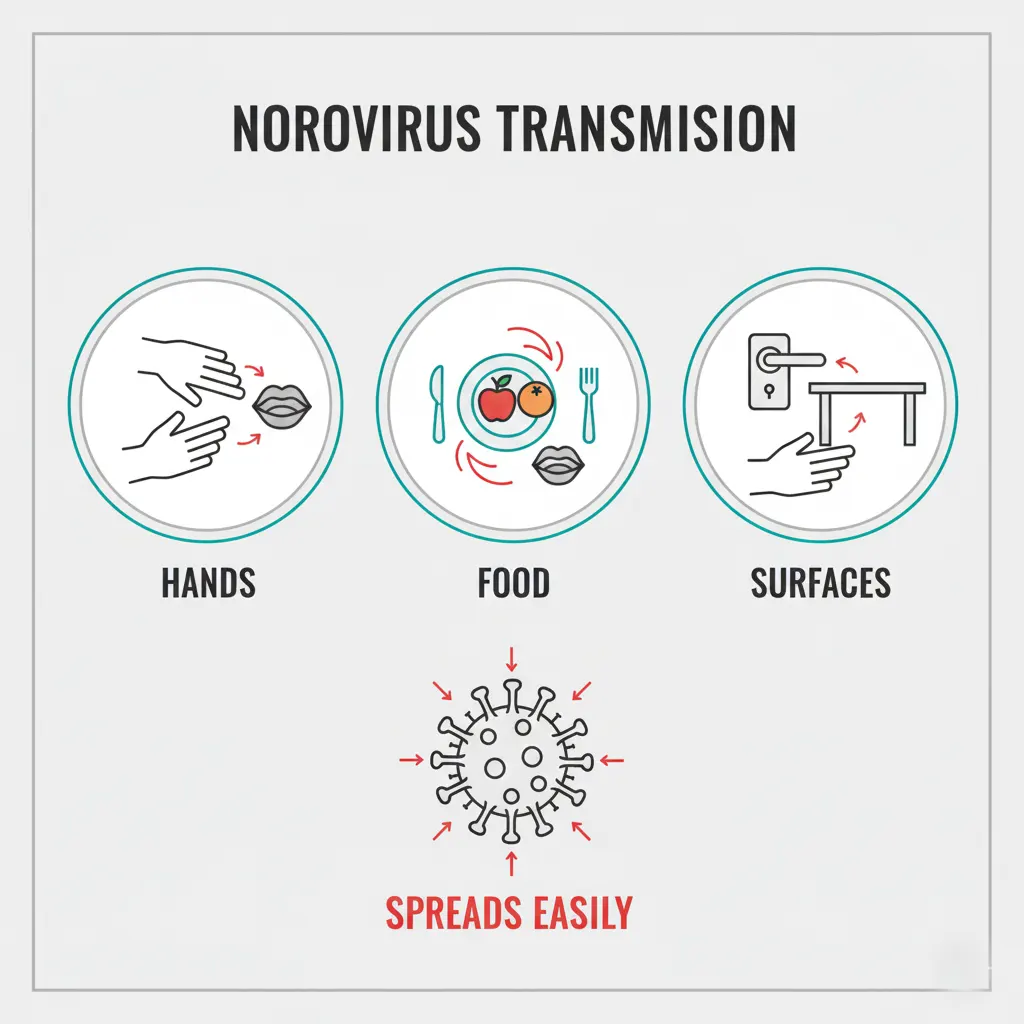
According to guidance from the World Health Organization (WHO), common transmission routes include:
- Direct contact with an infected person
- Consuming contaminated food or water
- Touching contaminated surfaces and then touching your mouth
- Close contact in enclosed spaces such as schools and cruise ships
Norovirus can survive on surfaces for days, making thorough cleaning essential.
Why Doctors Are Concerned in 2025
Health officials are noting an increase in outbreaks tied to post-pandemic travel and reduced long-term immunity. Doctors are also concerned that norovirus symptoms can be mistaken for food poisoning or flu, leading to delayed isolation.
Data tracked by CDC outbreak surveillance systems shows that rapid identification and hygiene remain the most effective tools for limiting spread.
How to Protect Your Family From Norovirus
There is currently no vaccine for norovirus, but prevention is highly effective when done correctly.
- Wash hands thoroughly with soap and water (hand sanitizer is less effective)
- Disinfect surfaces using bleach-based cleaners
- Wash fruits and vegetables carefully
- Cook shellfish thoroughly
- Keep sick family members isolated for at least 48 hours after symptoms stop
Experts from the U.S. Food & Drug Administration (FDA) emphasize that proper food handling is critical in preventing household outbreaks.
When to See a Doctor
Most norovirus cases resolve without medical treatment. However, you should seek medical care if symptoms include:
- Signs of severe dehydration
- High fever lasting more than two days
- Persistent vomiting preventing fluid intake
- Symptoms in infants, elderly individuals, or immunocompromised patients
Norovirus in 2025 remains a serious but preventable illness. Awareness, hygiene, and early isolation are the most effective defenses against its rapid spread.
By understanding how norovirus spreads and taking simple precautions, families can significantly reduce their risk during peak outbreak seasons.
#Norovirus #Norovirus2025 #StomachVirus #HealthAlert #FamilyHealth #PublicHealth