

 By Vinod Ram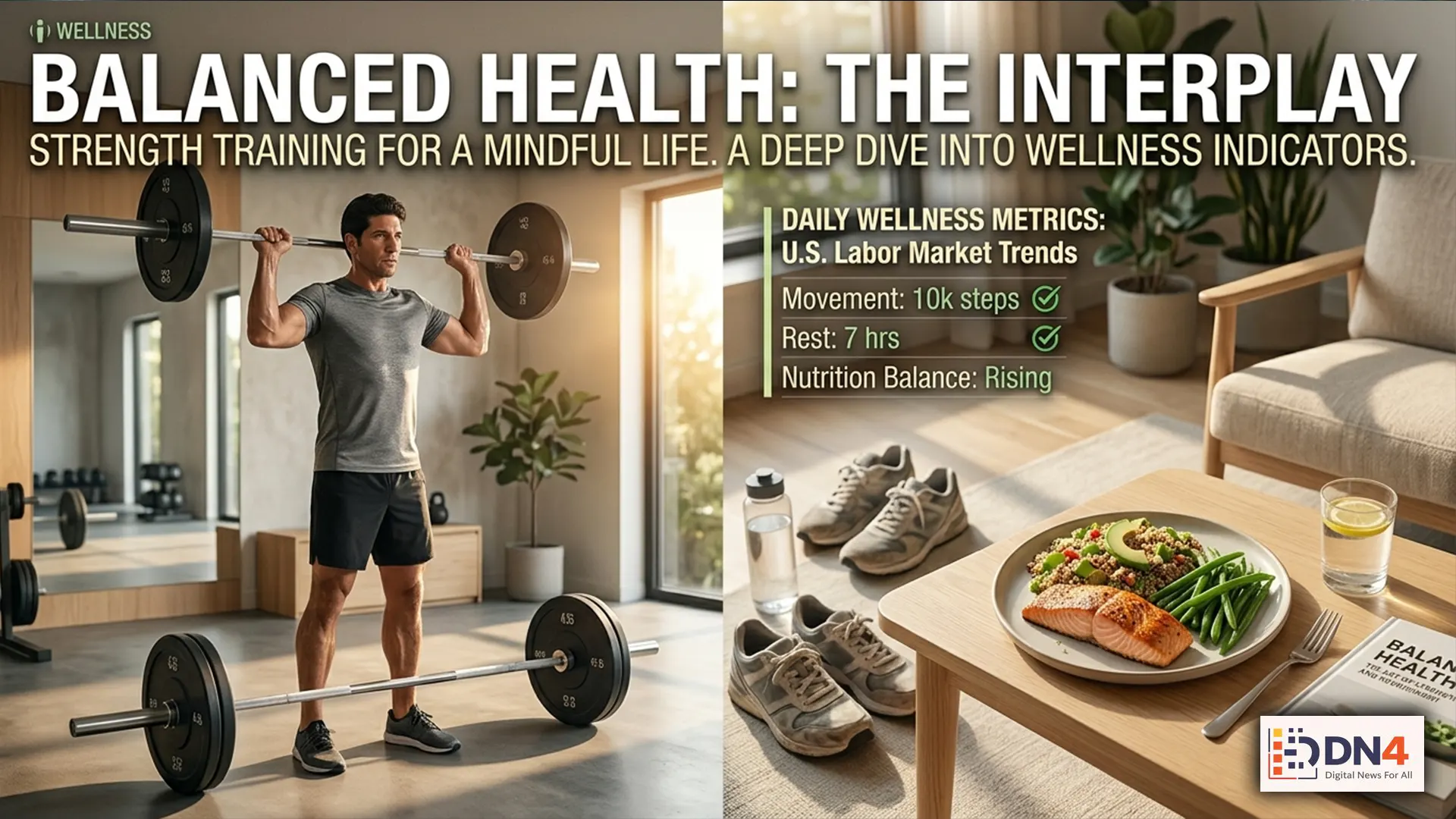
The wellness world is changing fast — and not in the way it did a few years ago. Instead of obsessing over every calorie, sleep score, step count, and blood marker, a growing number of health experts and consumers are embracing a more balanced philosophy. Two major ideas are now shaping that shift: “muscle as a metabolic marker” and the growing “over-optimization backlash”.
Together, these trends signal something bigger: people still want to be healthy, but they no longer want wellness to feel like a second full-time job.
Why Muscle Is Becoming a Bigger Health Signal
For years, mainstream wellness focused heavily on body weight, body fat, or general “fitness.” But increasingly, researchers and health professionals are paying closer attention to muscle mass and strength as more meaningful indicators of long-term health.
That’s because muscle plays a major role in glucose regulation, insulin sensitivity, mobility, and healthy aging. In simple terms, muscle is no longer being viewed only as an aesthetic goal — it’s increasingly seen as a key metabolic asset.
Leading institutions including the National Institute on Aging and CDC physical activity guidance have also emphasized the importance of strength-based movement for maintaining health over time.

Muscle as a Metabolic Marker: What It Really Means
When people say “muscle as a metabolic marker,” they’re talking about a broader wellness lens. Instead of asking only, “How much do I weigh?” the newer question is, “How metabolically resilient am I?”
That includes things like:
- How efficiently your body uses energy
- Whether you maintain strength as you age
- How active and physically capable you feel day to day
- Whether your lifestyle supports long-term health, not just short-term appearance
Experts writing in outlets like Men’s Health and Women’s Health have increasingly framed strength, recovery, and physical capability as more useful than vanity metrics alone.
The Over-Optimization Backlash Is Real
At the same time, there’s growing fatigue around hyper-tracked wellness culture. Wearables, apps, lab tests, sleep rings, macros, recovery scores, cold plunges, and biohacking routines once felt exciting. But for many people, they’ve started to feel exhausting.
This is where the over-optimization backlash comes in. More consumers are pushing back against the idea that every part of life must be measured, improved, and controlled. Publications like The Cut and Vox have explored how “wellness burnout” is becoming a real cultural conversation.
In response, many people are now redefining health around joy, sustainability, social connection, and mental ease — not just numbers on a dashboard.

Why This Wellness Shift Matters
This new direction doesn’t mean people are giving up on health. It means they are becoming more selective about what actually improves quality of life.
In practice, that might look like:
- Prioritizing strength training over chasing a lower scale number
- Walking, dancing, or playing sports because it feels good
- Eating in a way that supports energy and satisfaction
- Using data as a tool — not as a source of anxiety
That may be why this trend is resonating so strongly right now. It offers something modern wellness has often lacked: permission to care about health without becoming consumed by it.
The future of wellness may be less about constant self-correction and more about resilient health, strength, and enjoyment. “Muscle as a metabolic marker” reflects a smarter, more functional definition of health. And the over-optimization backlash reflects a cultural desire to feel better — not just track better.
#WellnessTrends #MetabolicHealth #MuscleHealth #Longevity #FitnessCulture #HealthMetrics #Wellness2026 #JoyOverMetrics #HealthyLiving