


For years, health discussions have focused heavily on gut health as a major factor in overall well-being. While the microbiome still plays an important role, scientists studying longevity are increasingly turning their attention to another critical factor: mitochondrial health.
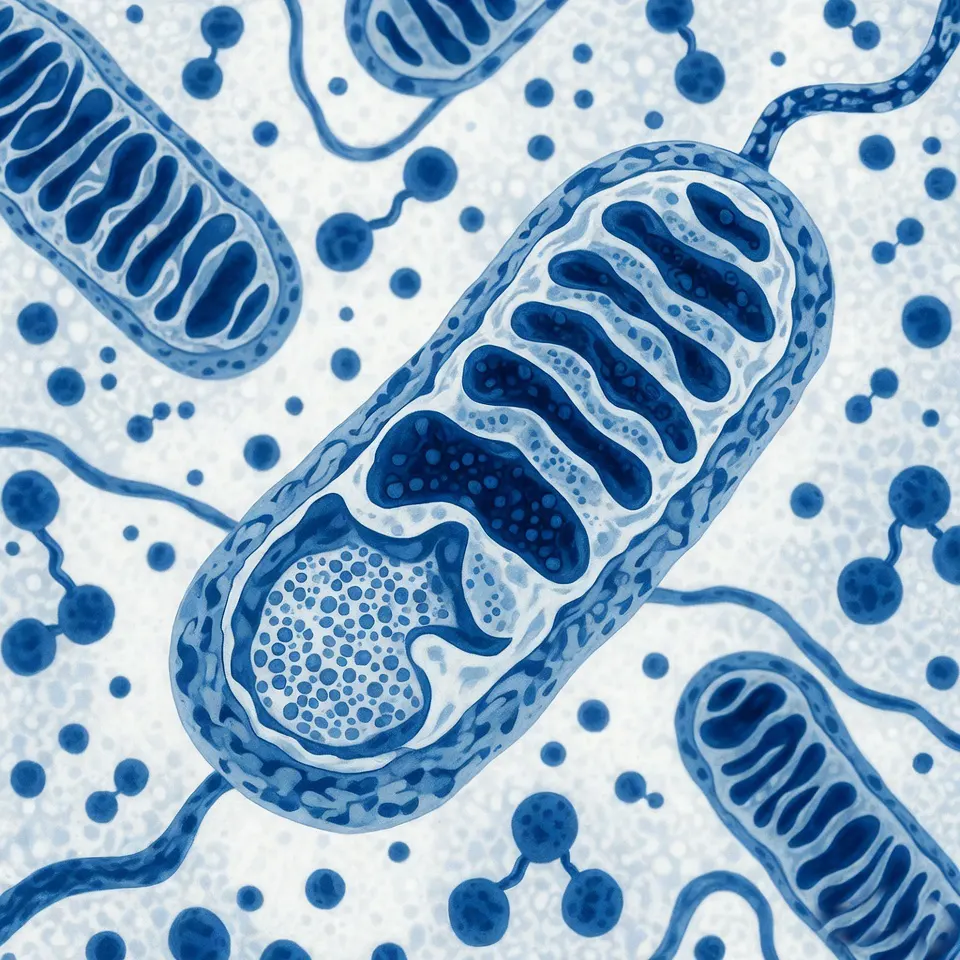
Mitochondria are tiny structures inside our cells that act as energy generators. Often described as the “powerhouses of the cell,” they produce the energy that allows our bodies to function.
Research in mitochondrial biology suggests that the efficiency of these cellular power plants may influence aging, disease risk, and overall lifespan.
What Are Mitochondria?
Mitochondria are specialized structures found inside most human cells. Their primary function is producing adenosine triphosphate (ATP), the molecule that stores and transfers energy within the body.
This process is part of what scientists call cellular respiration, where nutrients from food are converted into usable energy.
Without efficient mitochondrial function, cells cannot perform many essential biological processes.
Why Mitochondrial Health Matters for Longevity
Over time, mitochondrial efficiency can decline. When these cellular structures become damaged or less effective, energy production drops and harmful byproducts may accumulate.
Researchers studying longevity science believe this decline may contribute to aging and many age-related conditions.
Maintaining mitochondrial health helps support energy levels, metabolic balance, and cellular repair processes.
Signs Your Cellular Energy May Be Declining
While mitochondrial health is complex and influenced by many factors, some signs of declining cellular energy may include:
- Persistent fatigue
- Slower recovery after exercise
- Brain fog or difficulty concentrating
- Reduced metabolic efficiency
These symptoms can have multiple causes, but they are often discussed in research related to human metabolism and cellular energy production.
Habits That Support Mitochondrial Health
1. Regular Physical Activity
Exercise stimulates mitochondrial growth and efficiency in muscle cells, improving energy production and endurance.
2. Nutrient-Rich Diet
Whole foods containing antioxidants and essential nutrients support cellular repair and reduce oxidative stress.

3. Quality Sleep
Sleep plays a vital role in cellular recovery and metabolic regulation.
4. Stress Management
Chronic stress may disrupt cellular processes and increase oxidative damage.
Health researchers often study these factors in relation to healthy lifestyle practices that support long-term well-being.
The Future of Longevity Research
Scientists around the world are continuing to explore how mitochondrial health affects aging and disease prevention.
Some emerging therapies focus on improving mitochondrial efficiency, repairing damaged cellular structures, or supporting energy metabolism.
While much of this research is still developing, the growing interest in mitochondria highlights how deeply cellular health influences the aging process.
As longevity science advances, maintaining healthy mitochondria may become one of the most important strategies for extending both lifespan and healthspan.
#MitochondrialHealth #LongevityScience #HealthyAging #CellularHealth #Biohacking