

 By Vinod Ram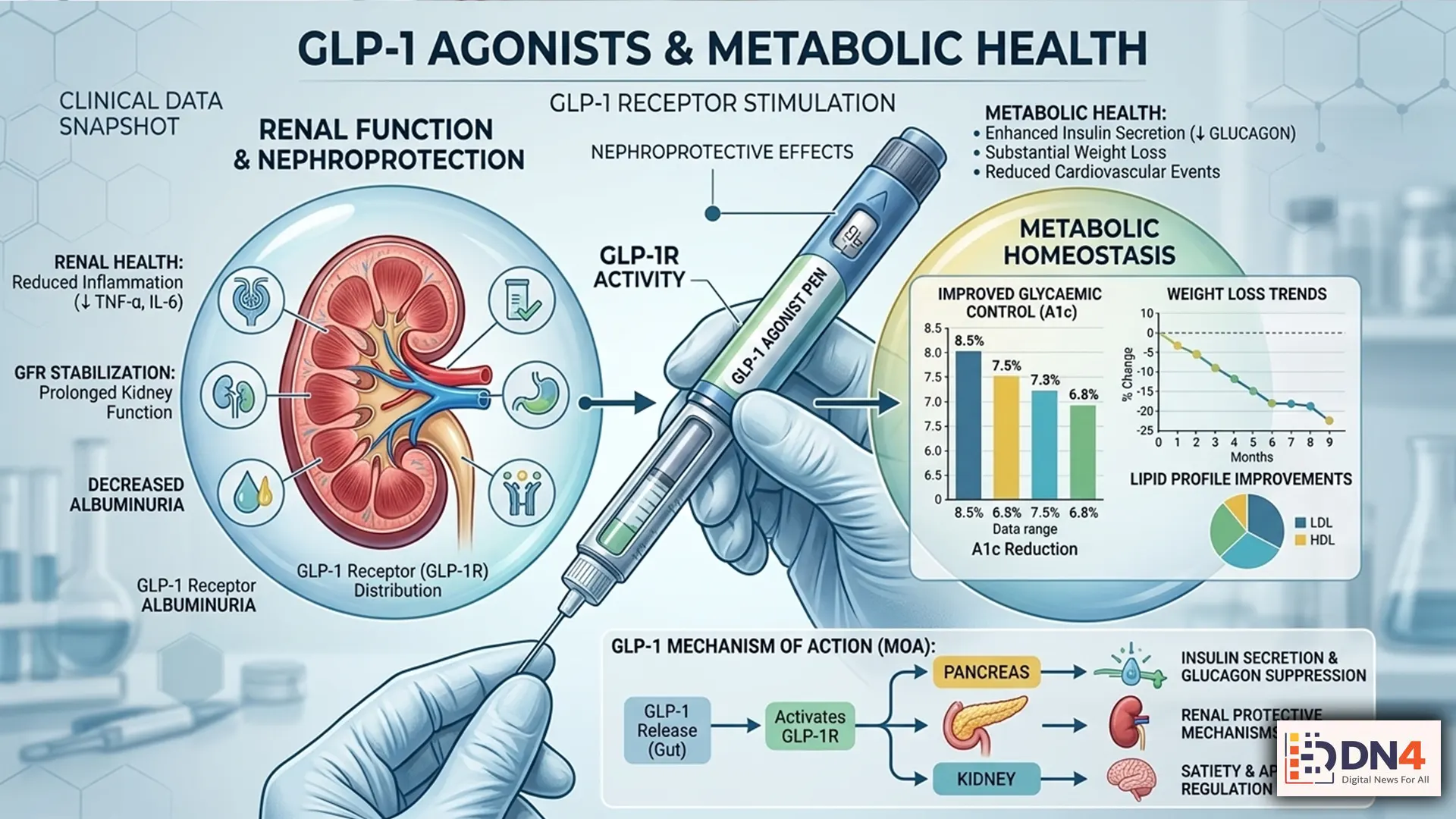
Medications like GLP-1 receptor agonists — widely known through blockbuster drugs such as Ozempic and Wegovy — have already transformed the treatment of obesity and type 2 diabetes. Now, emerging research in 2026 suggests these drugs may offer another major health benefit: protecting kidney function.
A growing body of clinical research indicates that GLP-1 medications, particularly the active ingredient semaglutide, may help slow the progression of chronic kidney disease in patients with metabolic disorders.
What Are GLP-1 Drugs?
GLP-1 receptor agonists mimic a natural hormone called glucagon-like peptide-1, which helps regulate blood sugar levels, appetite, and digestion.
These medications have become some of the most widely prescribed treatments for obesity and diabetes worldwide. According to information published by the U.S. Food and Drug Administration, GLP-1 therapies improve blood glucose control while also supporting significant weight reduction.

The 2026 Study Linking GLP-1 Drugs to Kidney Health
A major new study highlighted by researchers and organizations such as the National Kidney Foundation shows that GLP-1 medications may slow the decline of kidney function in patients with diabetes.
The research suggests several mechanisms behind this protective effect:
- Improved blood sugar control
- Reduced inflammation
- Lower blood pressure levels
- Better metabolic regulation
These combined effects could help reduce long-term kidney damage, a common complication of diabetes.
Why Kidney Protection Matters
Chronic kidney disease (CKD) affects millions of people globally. According to the Centers for Disease Control and Prevention, diabetes is one of the leading causes of kidney failure.
If GLP-1 drugs can slow kidney deterioration, they may become a crucial tool in preventing severe complications such as dialysis or kidney transplants.
More Than Just Weight Loss
Initially prescribed to control blood sugar levels, GLP-1 drugs quickly gained attention for their powerful weight-loss effects. However, researchers are now discovering additional benefits.
Studies reported in journals like The New England Journal of Medicine indicate that GLP-1 therapies may also improve cardiovascular health, reduce heart attack risk, and support kidney protection.
This expanding list of benefits is reshaping how doctors view these medications.
What This Means for Patients
While GLP-1 drugs are not specifically approved for kidney disease treatment alone, physicians may increasingly consider them for patients who face multiple metabolic risks.
Patients with conditions such as:
- Type 2 diabetes
- Obesity
- High blood pressure
- Early-stage kidney disease
could potentially benefit from these medications under medical supervision.
The Future of GLP-1 Research
The rapid expansion of GLP-1 research is leading many experts to believe that these drugs could redefine metabolic medicine. Pharmaceutical companies and research institutions are currently studying new formulations and broader therapeutic uses.
If ongoing studies confirm the kidney-protective benefits, GLP-1 drugs could become an important strategy for preventing chronic kidney disease worldwide.
#GLP1 #Ozempic #Wegovy #KidneyHealth #MedicalResearch #DiabetesCare #HealthInnovation