

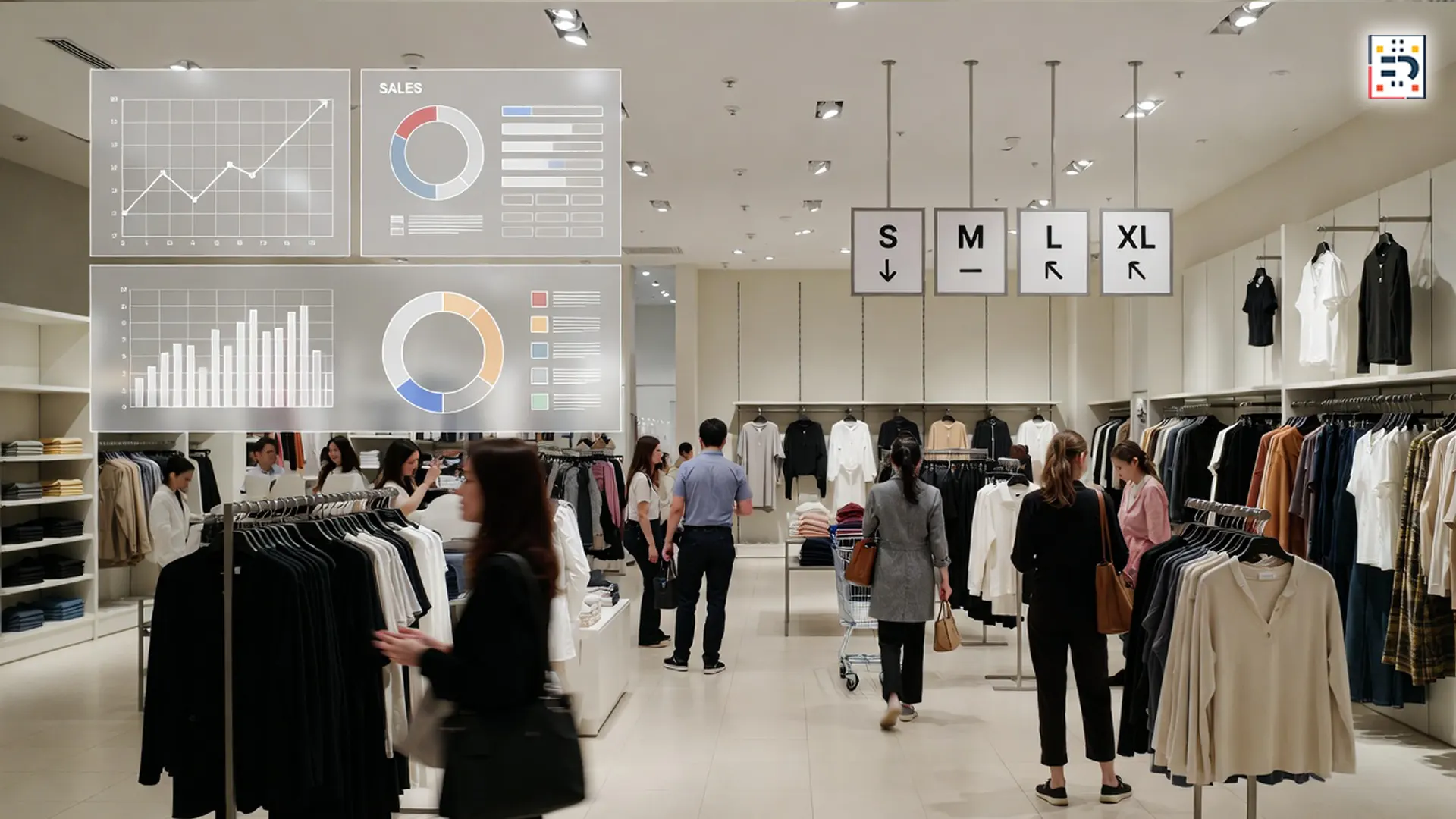
A quiet but powerful shift is rippling through the retail industry. As GLP-1 weight-loss drugs move into the mainstream, major retailers are rethinking everything from clothing sizes to grocery shelves. What started as a healthcare trend has now become a defining shopping and inventory trend for 2026.
Retail giants like Walmart and Kroger are already adjusting product mixes, signaling that the so-called “GLP-1 Effect” is reshaping how Americans eat, dress, and shop.
What Is the “GLP-1 Effect”?
GLP-1 medications, originally developed for diabetes treatment, have become widely adopted for weight loss. As usage expands, consumer behavior is changing in noticeable ways.
According to reporting from The Wall Street Journal, retailers are seeing measurable shifts in apparel demand, portion sizes, and food preferences tied directly to these medications.
As a result, brands are responding faster than ever to new body-size distributions and nutritional priorities.
Why Clothing Brands Are Shifting to Smaller Sizes
One of the clearest signs of the GLP-1 Effect is happening in apparel. Retailers are quietly increasing inventory in smaller and mid-range sizes, while trimming back on larger size runs.
Executives have noted that customers who lose weight rapidly often replace entire wardrobes. That replacement cycle is driving new demand patterns, especially in basics like jeans, workwear, and activewear.
Industry analysts cited by Bloomberg say brands that adapt sizing curves early could gain a competitive advantage.

Key Apparel Changes Retailers Are Making
- Higher inventory levels in smaller sizes
- More frequent restocking of core wardrobe items
- Greater emphasis on adjustable and transitional fits
Walmart and Kroger: The Grocery Side of the Trend
The GLP-1 Effect isn’t limited to clothing. Grocery retailers are also responding to changing eating habits.
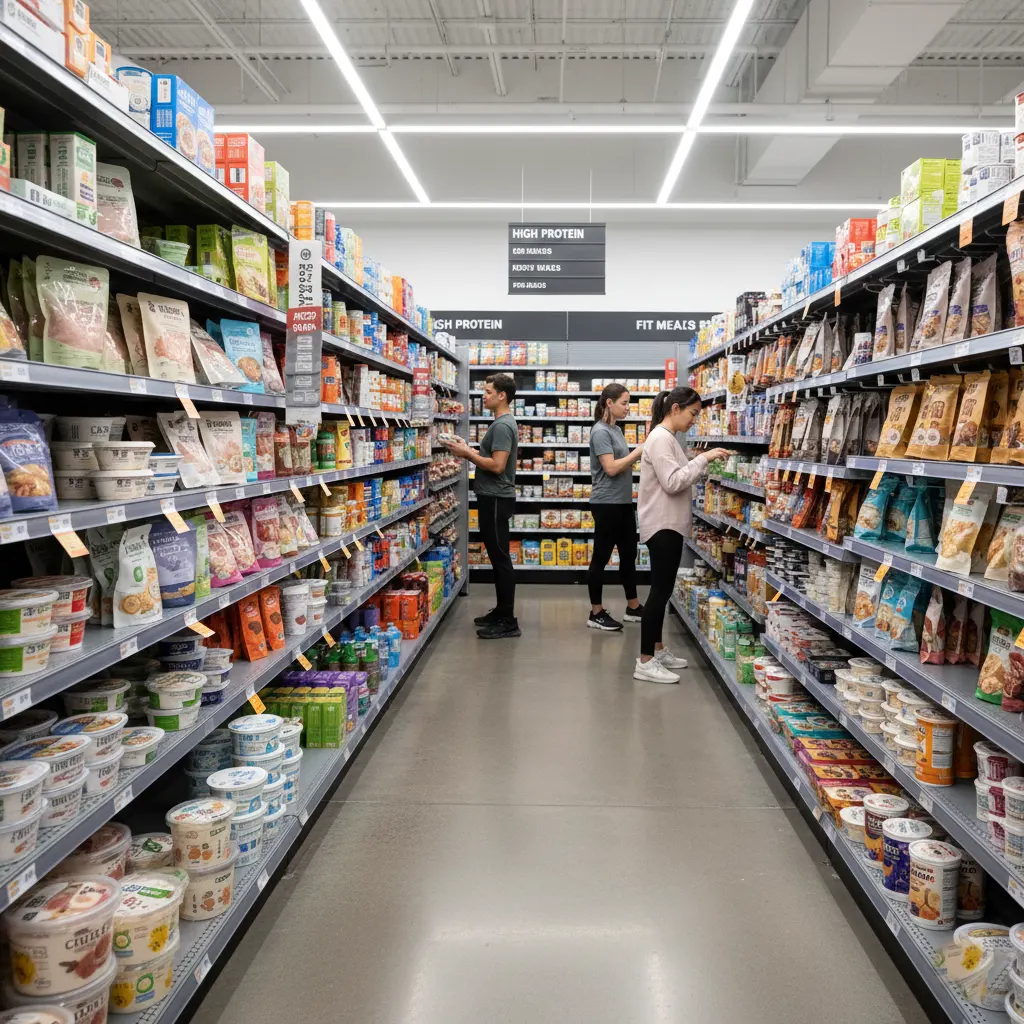
Walmart and Kroger have both highlighted growing demand for high-protein foods, smaller portions, and functional nutrition. Shoppers using GLP-1 drugs tend to eat less overall, but prioritize protein and nutrient density.
According to coverage by Reuters, retailers are reallocating shelf space to protein-forward snacks, ready-to-drink shakes, and portion-controlled meals.
Food Categories Seeing Growth
- High-protein snacks and beverages
- Smaller package sizes
- Functional and fortified foods
Why This Is a Major 2026 Shopping Trend
Unlike short-lived wellness fads, the GLP-1 Effect is reshaping long-term consumer behavior. Retailers aren’t reacting to hype — they’re responding to data.
Analysts point out that weight-loss drug adoption is expected to keep rising through 2026. Consequently, inventory planning, product design, and marketing strategies are evolving alongside it.
What Shoppers Should Expect Next
For consumers, the changes may feel subtle at first. However, over time, shoppers are likely to notice:
- More consistent sizing availability
- Increased focus on wellness-oriented products
- Faster turnover of apparel collections
Ultimately, the GLP-1 Effect highlights how healthcare trends can quickly reshape retail landscapes.
The GLP-1 Effect is no longer theoretical. From clothing racks to grocery aisles, retailers like Walmart and Kroger are adjusting in real time.
As weight-loss drugs continue to influence how people eat and dress, 2026 is shaping up to be a defining year for retail adaptation — and a reminder that consumer behavior always drives the market.
#GLP1 #RetailTrends #ShoppingTrends #ClothingSizes #WellnessEconomy #ConsumerBehavior