


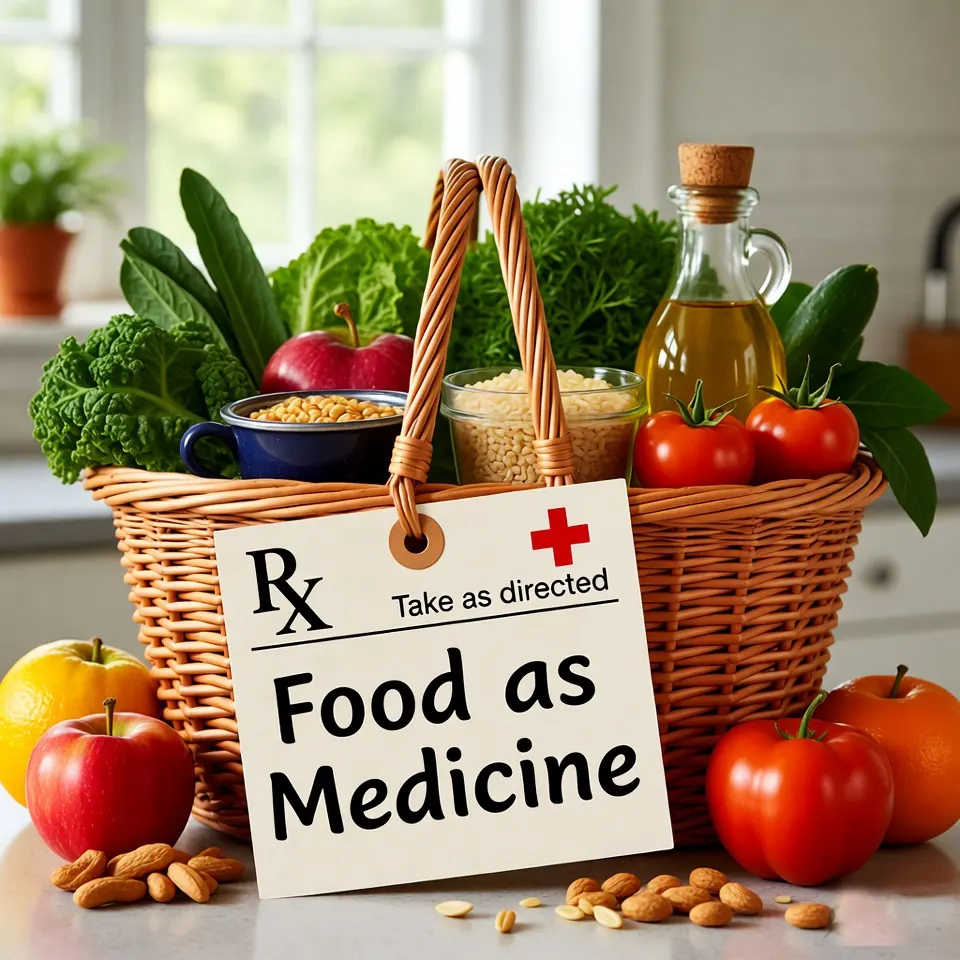
In a significant shift in healthcare, doctors across the United States are increasingly prescribing healthy food instead of medication. Known as the “Food as Medicine” movement, this approach provides patients with grocery stipends or medically tailored meals to treat chronic conditions.
Healthcare providers and insurers are recognizing that diet plays a critical role in preventing and managing diseases like diabetes, heart disease, and obesity. Programs supported by organizations such as the Centers for Disease Control and Prevention and the American Hospital Association are helping integrate nutrition into mainstream medical treatment.
What Is the “Food as Medicine” Approach?
The concept is simple but powerful: instead of relying solely on medication, doctors prescribe nutritious foods tailored to a patient’s health condition. This can include grocery stipends, meal vouchers, or home-delivered medically tailored meals.
Healthcare systems partnering with groups like Food Is Medicine Coalition and Feeding America are piloting programs designed to improve long-term health outcomes through better nutrition.
Why Doctors Are Prescribing Groceries
Medical research increasingly shows that diet-related diseases account for a large portion of healthcare spending. According to studies highlighted by Harvard Health Publishing, healthier diets can dramatically reduce the risk of chronic illnesses.
Doctors are now prescribing grocery stipends because:
- Healthy diets help control blood sugar levels
- Nutritious foods can lower blood pressure
- Diet changes may reduce reliance on medications
- Preventive nutrition lowers long-term healthcare costs
This preventive approach is gaining support among insurers and policymakers.
How Grocery Prescription Programs Work
Patients diagnosed with diet-related conditions receive a monthly grocery allowance or meal benefits through participating programs. These benefits are often delivered through healthcare partnerships with retailers and nonprofits.
For example, initiatives supported by US Department of Agriculture and healthcare innovators highlighted by Health Affairs allow doctors to prescribe healthy foods the same way they prescribe medications.
Typical benefits may include:
- $50–$200 monthly grocery stipends
- Dietitian consultations
- Home-delivered medically tailored meals
- Nutrition education programs

The Impact on Healthcare Costs
Healthcare economists believe the “food as medicine” model could dramatically reduce healthcare spending. Chronic diseases linked to poor diets account for billions of dollars in medical costs annually.
Programs focused on preventive nutrition have shown promising results:
- Reduced hospital admissions
- Improved diabetes control
- Lower cardiovascular risk
- Better patient quality of life
As a result, more health insurers and hospitals are experimenting with food prescription programs.
Will Food Prescriptions Become the Future of Medicine?
While still evolving, the food prescription movement is gaining momentum as healthcare shifts toward prevention and lifestyle-based treatment.
Medical professionals believe integrating nutrition into patient care could become one of the most effective strategies for combating chronic diseases in the coming decade.
As the U.S. healthcare system continues exploring innovative solutions, “food as medicine” may prove that the most powerful prescription isn’t always found in a pill bottle—but in the grocery aisle.
#FoodAsMedicine #HealthcareInnovation #PreventiveMedicine #NutritionHealth #PublicHealth #HealthyEating #MedicalResearch