

 By Vinod Ram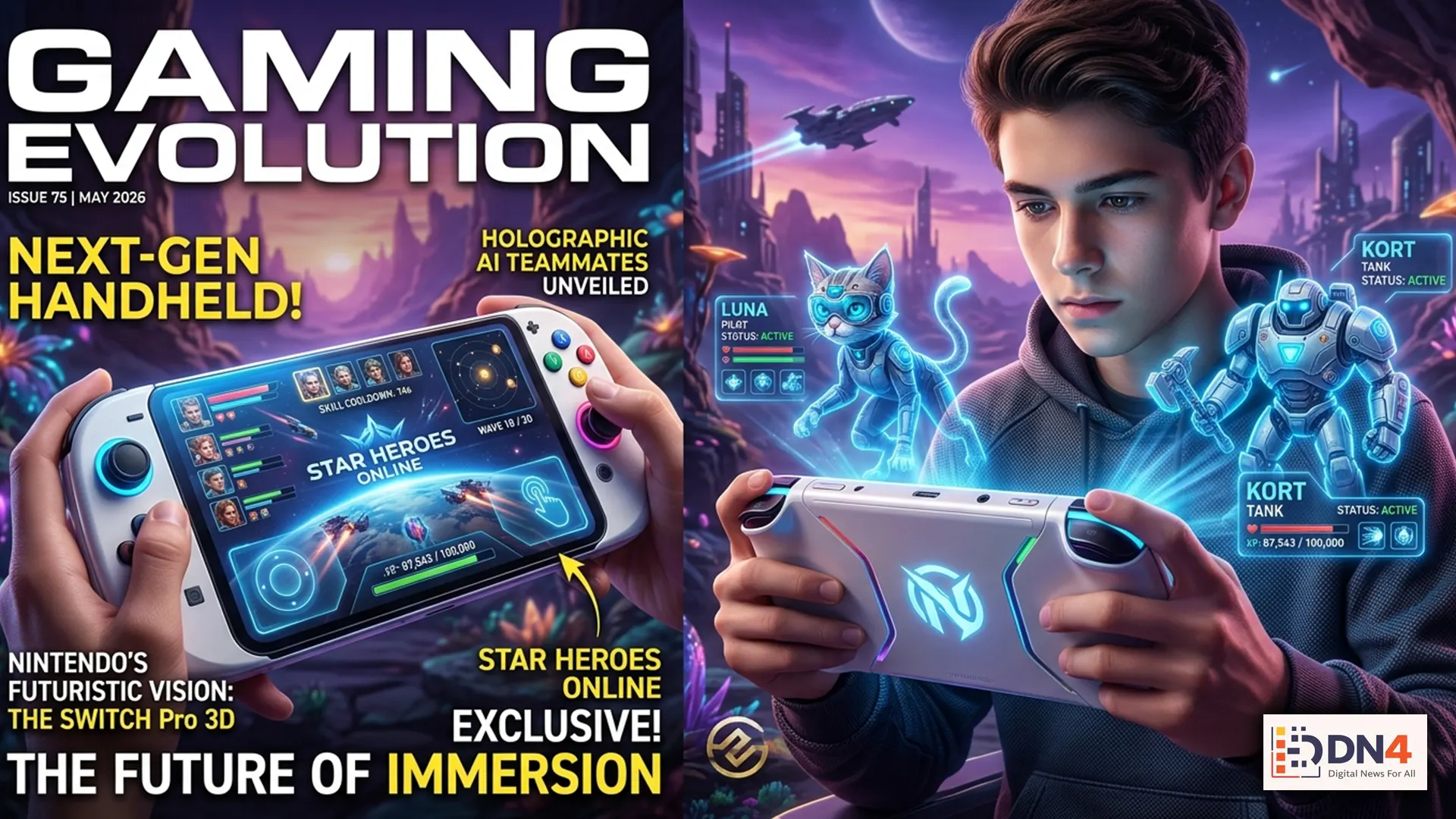
For years, gaming hardware has evolved in mostly familiar ways: better graphics, faster loading, smoother frame rates, sharper displays. But the next real leap may be less about pixels and more about presence.
As artificial intelligence becomes more integrated into consumer technology, one question is starting to feel less like science fiction and more like a very real product roadmap:
Will the Nintendo Switch 2 finally introduce built-in AI teammates?
It sounds like a gimmick at first — until you think about what modern gaming actually needs. Solo players want smarter companions. Casual gamers want help without friction. Co-op fans want teammates who don’t behave like broken tutorial bots. And Nintendo, perhaps more than any other platform holder, thrives when technology becomes invisible and playful rather than technical and intimidating.
That makes the idea of agentic gaming — AI that can actively assist, react, adapt, and collaborate in real time — surprisingly plausible for the Switch 2 era.
What “Agentic Gaming” Actually Means
The phrase agentic AI gets thrown around a lot, but in gaming it has a very specific and exciting implication.
It doesn’t just mean smarter enemies or slightly better NPC behavior. It means game-side AI systems that can:
- Understand player goals and adapt to them
- Assist in combat, puzzle solving, or navigation
- Act like a responsive teammate instead of a scripted follower
- Learn preferred playstyles over time
- Provide co-op-like support for solo players
In other words, an AI teammate isn’t just “an NPC with more lines.” It’s a game companion that can make context-aware decisions.
That concept fits naturally into the broader direction of AI-enhanced computing, where systems increasingly rely on generative AI, real-time inference, and adaptive machine learning to personalize digital experiences.
Why Nintendo Is Actually a Strong Candidate for AI Teammates
At first glance, Nintendo may not seem like the company most likely to push cutting-edge AI.
But that’s exactly why it could work.
Nintendo rarely wins by brute-force specs. It wins by turning technical advances into intuitive, joyful experiences. Motion controls, asymmetrical gameplay, local multiplayer, hybrid handheld-console design — Nintendo’s best ideas tend to feel obvious after they arrive.
AI teammates could fit that same pattern.
Instead of marketing “agentic inference layers” or “on-device model optimization,” Nintendo could simply ship games where:
- Your companion actually helps in battle
- Your co-op substitute can revive, flank, or gather resources intelligently
- Your puzzle partner adapts when you’re stuck
- Your game feels alive even when you’re playing alone
That’s a Nintendo-friendly use case: AI as friction remover, not buzzword bait.
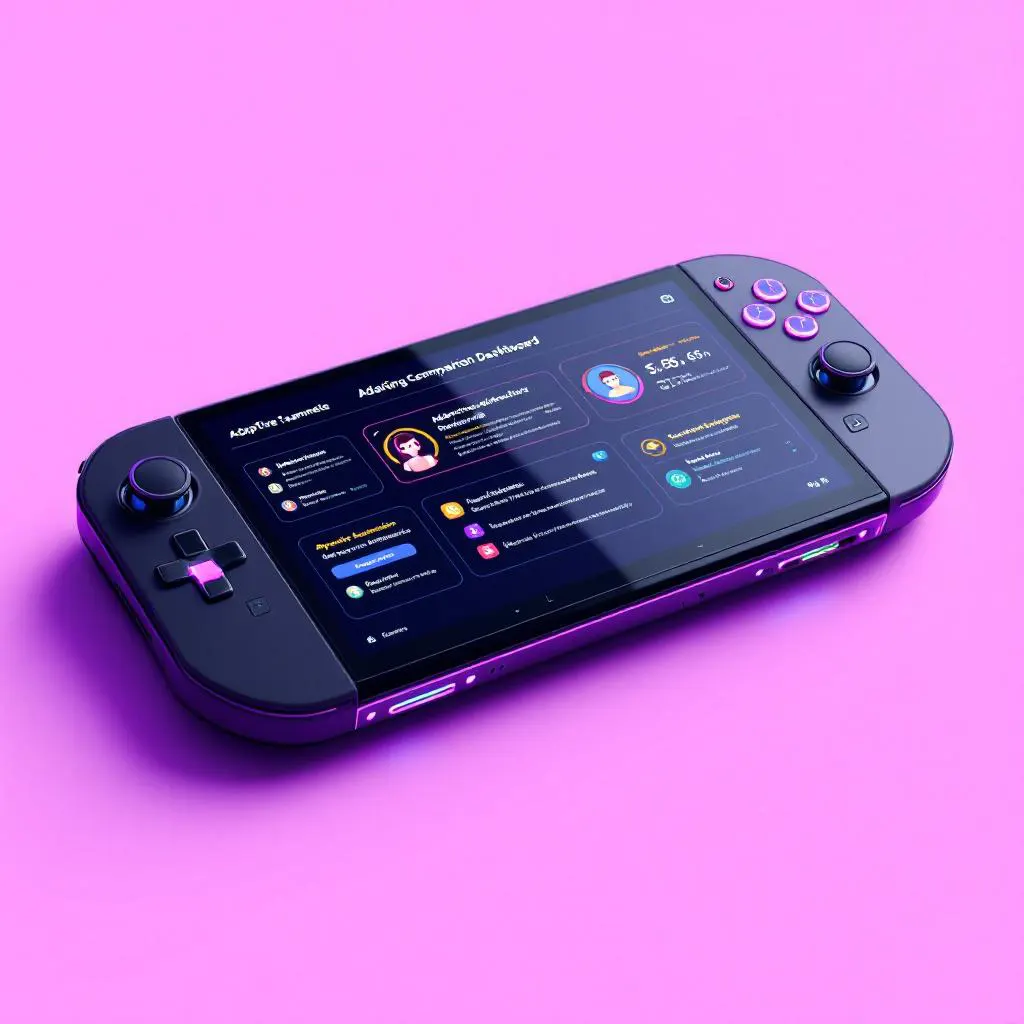
Where AI Teammates Would Matter Most on Switch 2
Not every game needs built-in AI companions. But certain genres would benefit massively.
1) Co-op Adventure Games
Many players love co-op design but don’t always have a second player available. AI teammates could let solo users experience co-op mechanics without turning the game into a frustrating escort mission.
2) Open-World Exploration
AI companions could help with traversal hints, environmental scanning, item collection, and threat awareness without constantly breaking immersion.
3) Strategy and Tactical Combat
A smarter in-game ally could dynamically respond to enemy pressure, support positioning, or resource use in ways that feel closer to human teamwork.
4) Family and Casual Games
This may be the most underrated opportunity. Nintendo’s broad audience includes younger players and less experienced gamers who would benefit from invisible assistance that makes games feel more welcoming.
That could be huge for accessibility and onboarding — two areas where AI can quietly improve design without turning the experience into a tutorial lecture.
Could the Hardware Actually Support It?
This is the practical question — and the one that matters most.
Truly advanced AI systems can be compute-heavy, and handheld hardware has obvious thermal and battery limitations. That means if Nintendo pursues AI teammates, the implementation likely won’t look like a giant cloud-based chatbot living inside your game.
Instead, the smarter path would likely involve a combination of:
- Lightweight on-device inference
- Specialized behavior models tuned for gameplay tasks
- Context-specific decision trees enhanced by AI
- Possibly selective cloud-assisted features in supported titles
That approach would align with broader industry movement toward efficient edge AI, where hardware partners increasingly optimize for low-latency local intelligence rather than brute-force remote compute. Companies working across gaming-adjacent hardware ecosystems — including ARM, NVIDIA, and game engine platforms — are already shaping the technical possibilities around this space.
The Real Opportunity Isn’t Just Gameplay — It’s Retention
If Nintendo (or any console maker) gets AI companions right, the impact won’t just be creative. It will be commercial.
Smarter in-game support can directly improve:
- Session length
- Completion rates
- Replayability
- Solo player retention
- Accessibility for less experienced users
That matters because the biggest challenge in modern gaming isn’t just selling hardware — it’s keeping players engaged inside ecosystems for longer.
AI teammates could become one of the most effective retention features in gaming because they make the player feel less stuck, less alone, and more consistently rewarded.
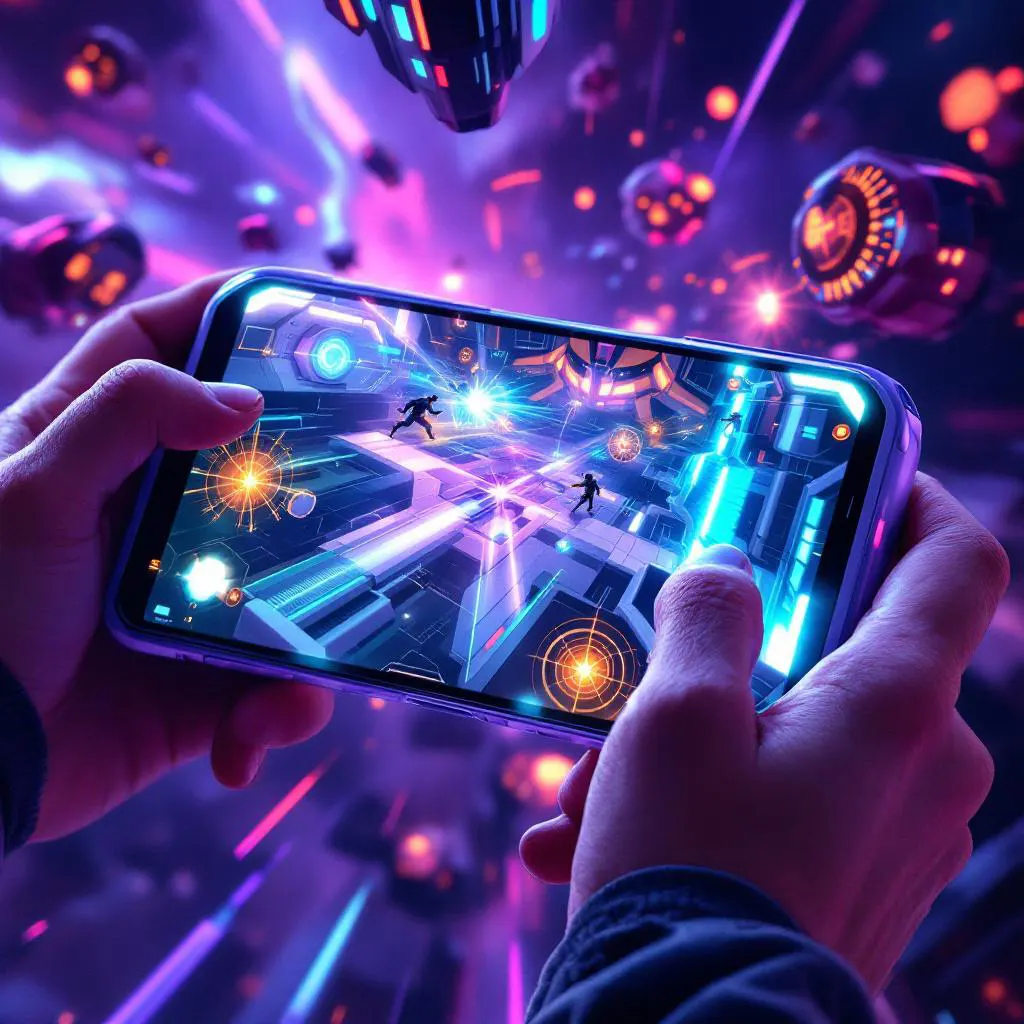
What Would Nintendo-Style AI Teammates Actually Look Like?
If Nintendo does this, don’t expect it to look like a sci-fi operating system with voice prompts and robotic overlays.
Expect something far more subtle and Nintendo-like.
It might show up as:
- A sidekick character that actually adapts to your habits
- A co-op helper in platforming or puzzle segments
- A support bot in action-adventure or survival titles
- An AI-driven accessibility mode for younger or casual players
- A behind-the-scenes system that changes how companions react to you
In other words, the smartest version of this feature may be the one players don’t describe as “AI” at all.
The Risks: Why AI Companions Could Also Backfire
Of course, this idea only works if the AI feels helpful rather than intrusive.
There are obvious ways this could go wrong:
- Companions becoming repetitive or annoying
- AI over-helping and removing challenge
- Unpredictable behavior breaking level design
- Battery or performance trade-offs in handheld mode
- Feature creep without meaningful gameplay payoff
Nintendo’s design philosophy may actually be its biggest protection here. The company historically succeeds when it applies restraint.
That means if AI teammates arrive, the best implementation probably won’t try to do everything. It will likely focus on a few tightly designed use cases where intelligent assistance feels magical instead of messy.
Will Switch 2 Actually Ship With Built-In AI Teammates?
The honest answer: probably not as a headline “AI mode” in the way many people imagine.
But as a quiet layer inside next-generation Nintendo game design?
That feels increasingly possible.
The more realistic scenario is not a console-level AI assistant replacing human co-op. It’s Nintendo and third-party developers gradually introducing more adaptive, responsive companion behavior that feels significantly smarter than what players are used to.
And if that happens, players may not even frame it as “AI.”
They’ll just say:
“Wow — this teammate actually knows what I need.”
The Nintendo Switch 2 may not need to be the most powerful console of its generation to feel like the most forward-looking one.
If Nintendo can turn AI into something playful, invisible, and genuinely useful, it could unlock one of the most meaningful gaming upgrades of the decade.
Not because AI is trendy.
But because games are better when they feel more responsive, more collaborative, and more alive.
And built-in AI teammates may be the first feature that makes solo gaming feel less solitary without making it less human.
#NintendoSwitch2 #AgenticGaming #AIGaming #NintendoAI #GamingTech #FutureOfGaming #AINPCs #ConsoleGaming #GamingInnovation