

The gaming industry witnessed one of the most anticipated releases of the year when Bungie’s Marathon officially launched on March 5, 2026. As the studio behind the legendary Destiny 2, Bungie entered the competitive arena of extraction shooters with enormous expectations.
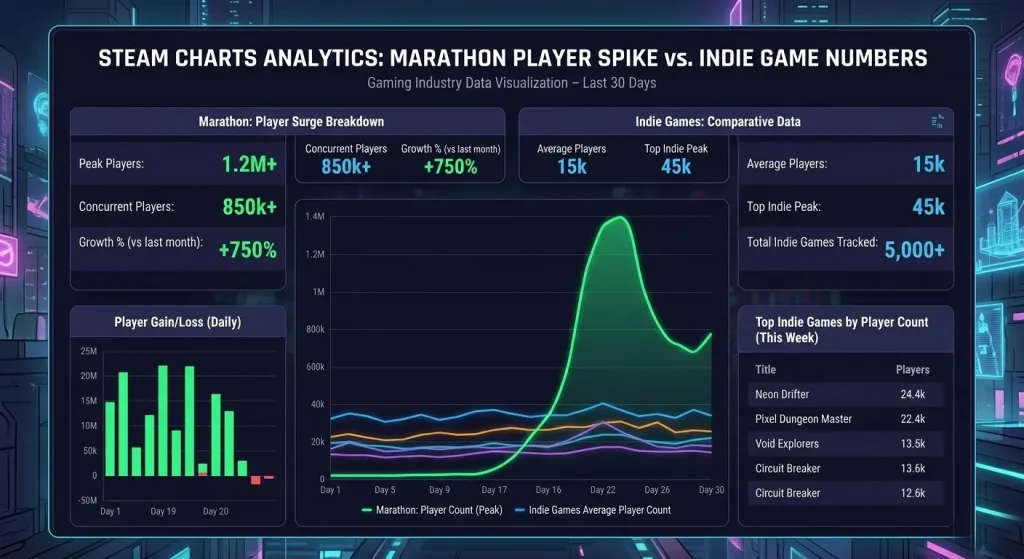
Initial numbers were promising. According to Steam Charts, Marathon peaked at 88,337 concurrent players shortly after launch. However, what followed sparked heated debate across gaming communities: the AAA title was soon being outperformed by the indie phenomenon Slay the Spire‘s highly anticipated sequel.
The contrast between these two games has ignited a larger conversation about whether big-budget extraction shooters can truly thrive in a market increasingly dominated by focused, innovative indie titles.
The Marathon Experiment
Marathon represents a bold new direction for Bungie. Rather than continuing the traditional looter-shooter formula that powered the success of Destiny, the studio chose to embrace the high-risk, high-reward design philosophy of extraction-based gameplay.
In these games, players enter dangerous environments, collect valuable loot, and attempt to escape before losing everything. The formula—popularized by titles like Escape from Tarkov—creates tension-filled sessions where every encounter matters.
For Bungie, the strategy was clear: leverage their legendary gunplay mechanics while building a persistent multiplayer ecosystem capable of supporting years of updates.
But while the gameplay foundations are strong, the Steam numbers reveal a more complicated reality.
Steam Charts Tell a Complicated Story
Hitting an initial peak of over 88,000 players would normally be considered a success for a new multiplayer release. Yet within days, Marathon’s numbers were being compared against an unlikely rival: Slay the Spire 2.
The indie sequel—developed by Mega Crit—quickly climbed Steam rankings and captured the attention of strategy and roguelike fans worldwide.
This contrast highlights a growing industry trend: smaller studios are increasingly capable of creating breakout hits that compete directly with massive AAA productions.
Why Extraction Shooters Divide Players
Extraction shooters are arguably one of the most polarizing genres in modern gaming. For some players, the adrenaline rush of risking valuable gear creates unmatched tension and excitement.
For others, the same mechanics feel punishing and stressful compared to more traditional multiplayer shooters.
Key reasons the genre remains divisive include:
- High skill ceiling and steep learning curve
- Loss-based gameplay that can punish casual players
- Heavy reliance on teamwork and strategy
- Persistent progression systems
Despite these challenges, the genre continues to grow thanks to successful titles like Call of Duty Warzone and the survival mechanics seen in games like DayZ.
The Indie Advantage
The success of Slay the Spire 2 underscores a critical advantage that indie developers hold in today’s gaming market: focus.
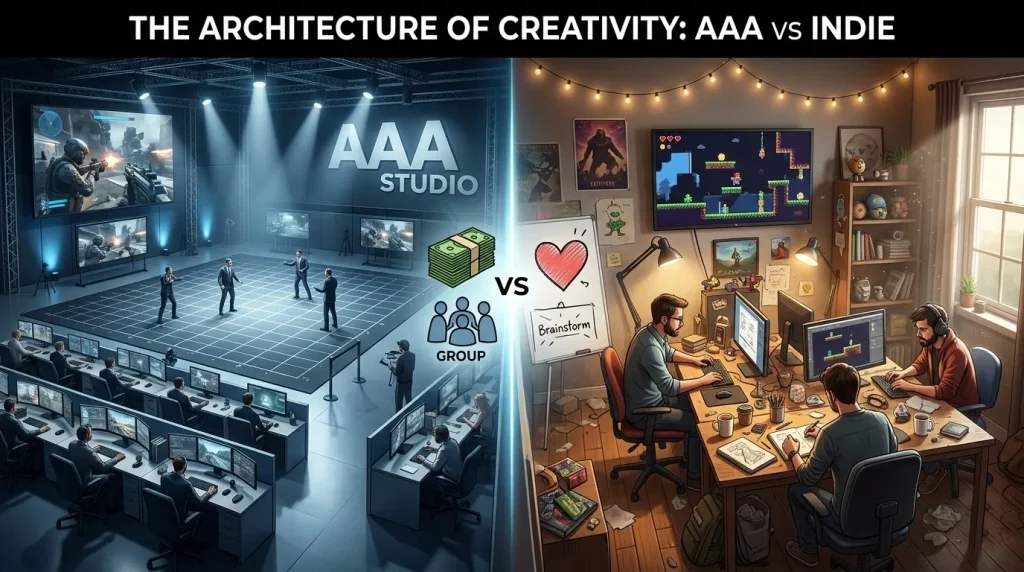
Unlike AAA studios juggling massive budgets and broad audience expectations, indie teams can target a specific niche and refine their gameplay loop to perfection.
This often leads to:
- More experimental mechanics
- Faster development cycles
- Stronger community engagement
- Lower development risk
In contrast, AAA studios face immense pressure to deliver blockbuster experiences that justify massive investments.
Bungie’s Long-Term Strategy
Despite the debate surrounding early player numbers, industry analysts believe Marathon’s real test will be its long-term player retention.
Modern live-service games rarely succeed or fail based solely on launch numbers. Instead, sustained engagement, seasonal content updates, and evolving gameplay ecosystems determine long-term success.
Bungie has already demonstrated this ability with the evolving world of Destiny. If Marathon follows a similar roadmap, its current Steam chart performance could represent only the beginning.
The Bigger Industry Question
The discussion around Marathon reflects a broader shift in gaming:
- AAA studios experimenting with new multiplayer genres
- Indie developers achieving massive commercial success
- Players gravitating toward highly polished niche experiences
Ultimately, the real story isn’t whether Marathon is winning or losing against Slay the Spire 2. It’s about how the gaming landscape is evolving into a more diverse ecosystem where both AAA and indie titles can dominate different segments.
Marathon’s Steam charts prove one thing clearly: Bungie’s new vision is both polarizing and powerful. The extraction shooter genre may not appeal to everyone, but its ability to create intense, high-stakes gameplay ensures it will remain an important part of the industry’s future.
Whether Marathon becomes the next long-term multiplayer giant or simply a bold experiment, its launch has already sparked one of the most fascinating conversations in gaming today.
#GamingNews #MarathonGame #SteamCharts #ExtractionShooter #SlayTheSpire2 #GameIndustry