

 By Vinod Ram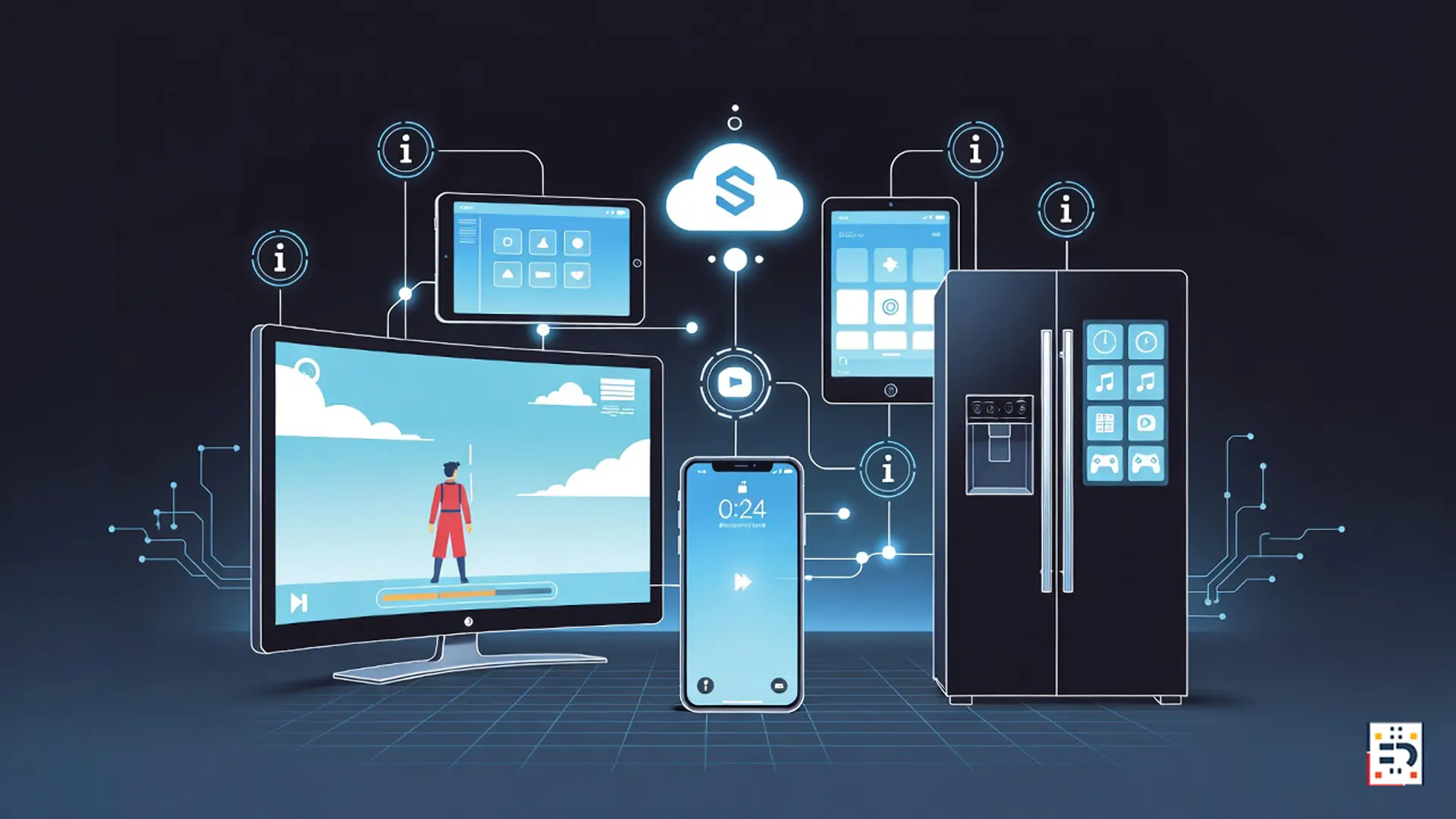
By 2026, nearly 60% of gamers worldwide have tried cloud gaming. What began as a niche experiment has evolved into a “frictionless” era of play—where your save file seamlessly follows you from a smart TV, to your phone, to yes, even your fridge screen.
As gaming becomes increasingly platform-agnostic, the industry faces an uncomfortable question: is the traditional console finally on borrowed time?
What Is the “Frictionless” Gaming Era?
The frictionless era refers to gaming without hardware barriers. No downloads, patches & expensive upgrades. Cloud gaming allows titles to be streamed instantly from remote servers to almost any internet-connected device.
Services like Xbox Cloud Gaming, NVIDIA GeForce Now, and PlayStation’s cloud offerings have accelerated this shift.
The Rise of Platform-Agnostic Play
In the cloud-first model, games are no longer tied to a single device. A player can start a session on a living room TV, continue on a tablet during a commute, and finish on a smartphone at night—all without losing progress.
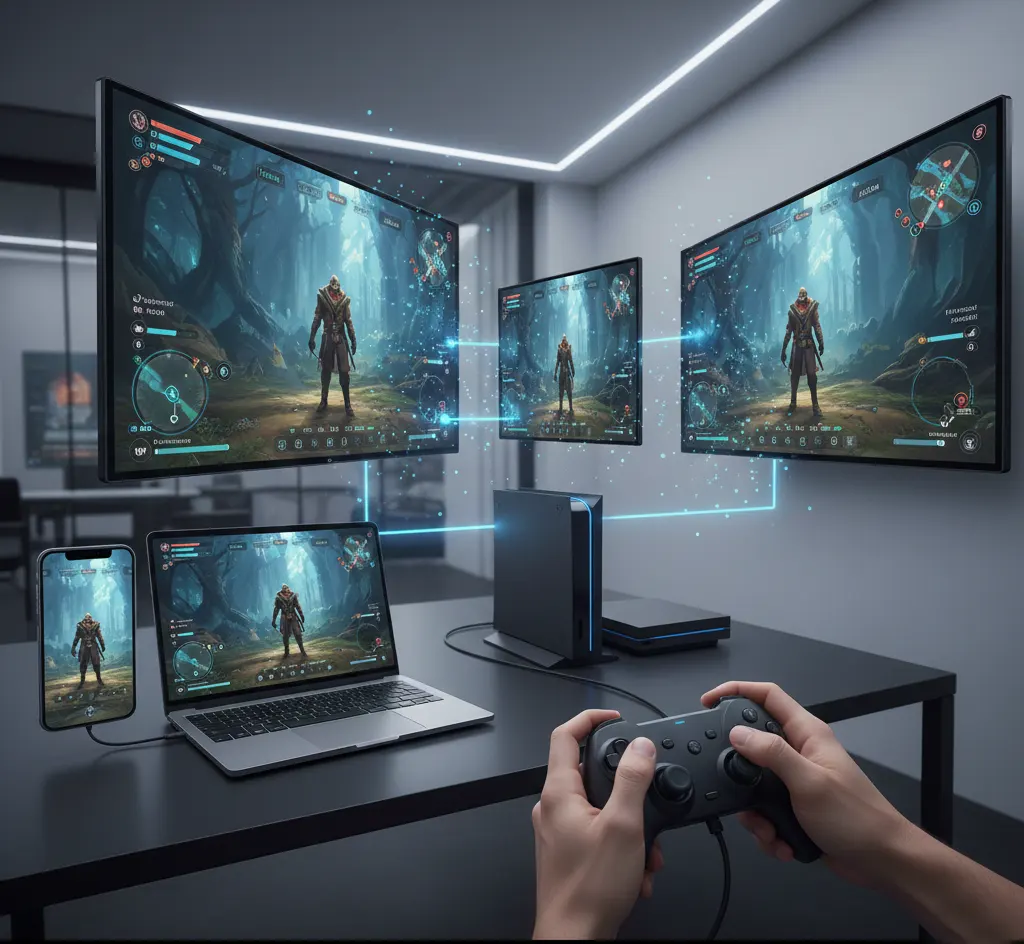
This flexibility has redefined convenience and expanded gaming beyond traditional “core” audiences.
Why Gamers Are Embracing Cloud Play
The appeal is straightforward:
- No upfront console investment
- Instant access to large game libraries
- Cross-device save synchronization
- Lower hardware and maintenance costs
For casual and mobile-first players, cloud gaming removes the last major barrier to entry.
Is the Console Really Dying?
Not so fast. While cloud gaming is growing rapidly, consoles still dominate in performance-sensitive genres like competitive shooters and esports. Latency, bandwidth limitations, and inconsistent internet access remain critical hurdles.
For many hardcore gamers, local hardware still offers superior reliability and control.
How Console Makers Are Adapting
Rather than resisting change, major console manufacturers are hedging their bets. Consoles are increasingly positioned as premium access points to broader ecosystems—combining local play with cloud integration.
This hybrid approach suggests the console may evolve, not disappear.
The Role of Infrastructure
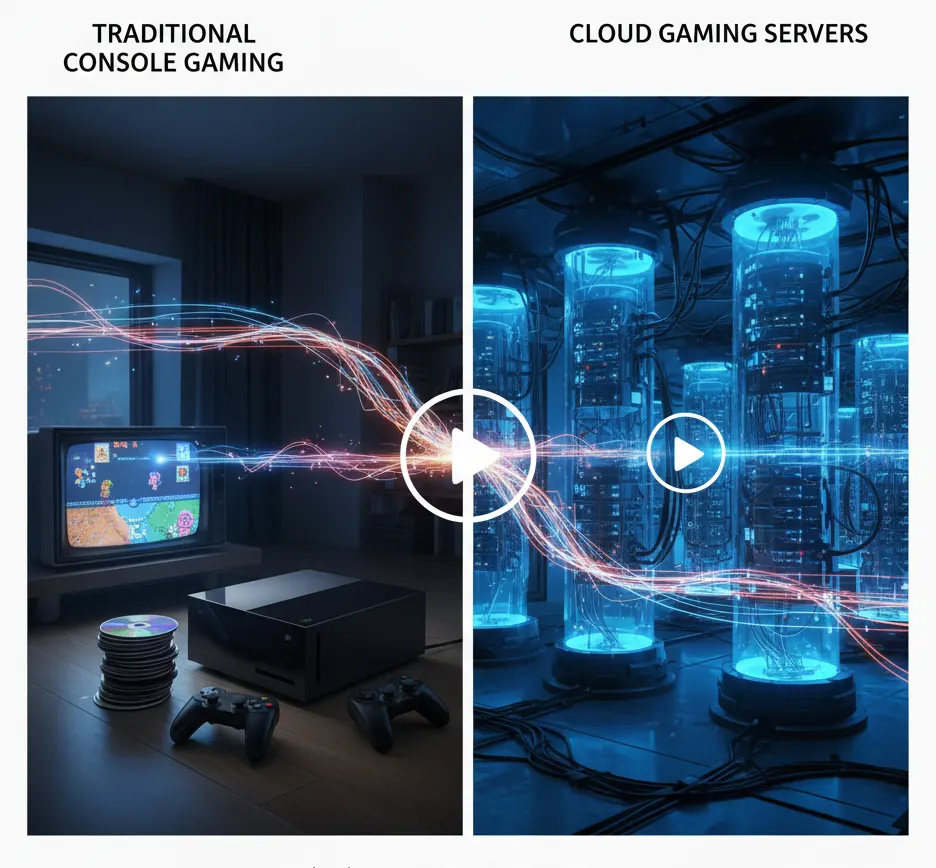
The future of cloud gaming hinges on infrastructure. Widespread 5G, fiber internet expansion, and edge computing are making low-latency streaming more viable—but global access remains uneven.
Until connectivity is universal, consoles will continue to coexist with cloud platforms.
What This Means for the Gaming Industry
Publishers now design games assuming cross-device access. Subscription models are replacing ownership, and platform exclusivity is losing relevance.
Gaming is becoming a service—not a product.
Cloud gaming’s frictionless era doesn’t spell the immediate death of consoles—but it does signal the end of their monopoly. The future belongs to ecosystems where games follow players, not devices.
The console isn’t dead. But it’s no longer the center of the gaming universe.
#CloudGaming #FutureOfGaming #GameStreaming #PlatformAgnostic #GamingTrends #ConsoleWars #DigitalEntertainment