

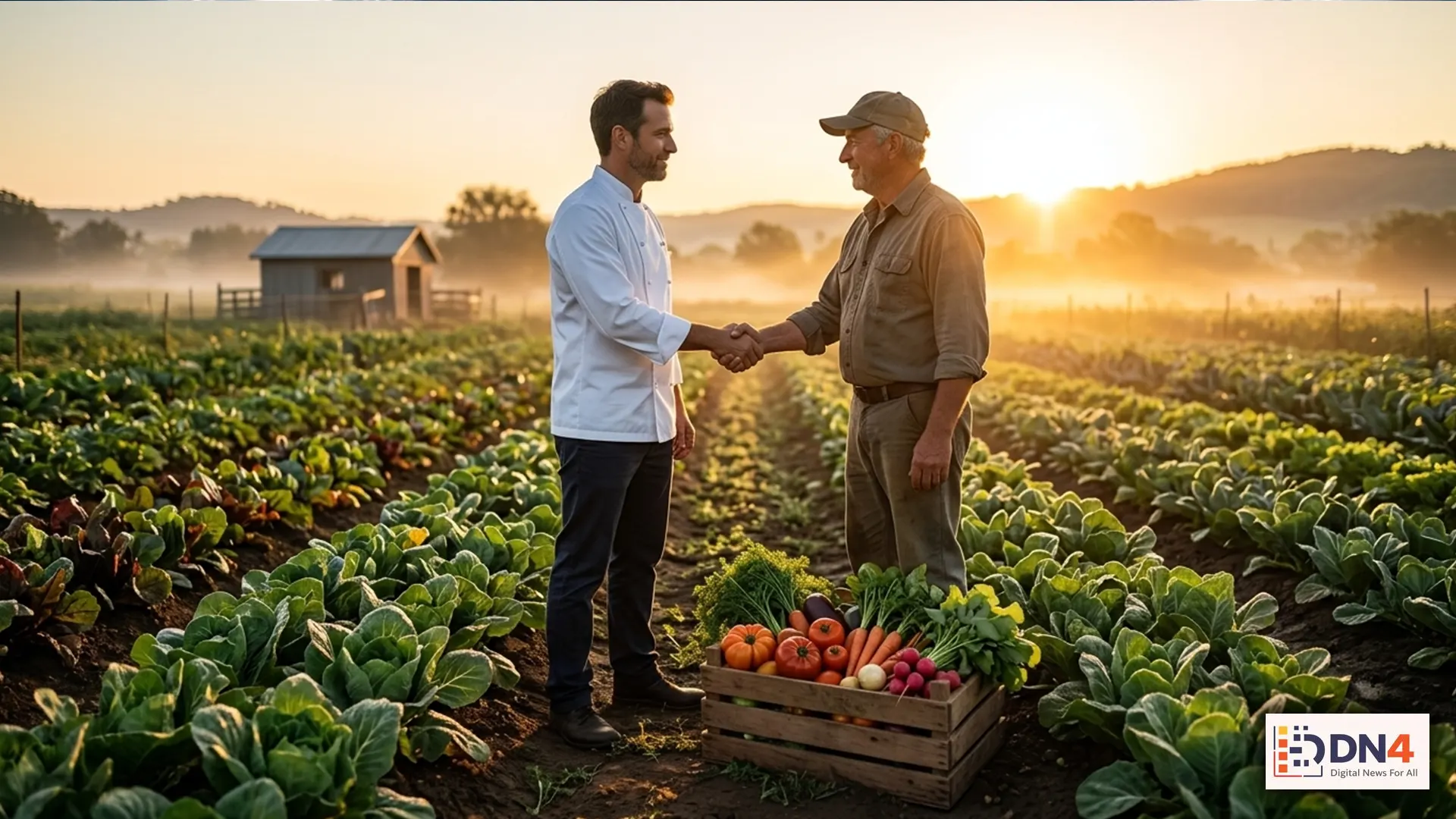
The world of fine dining is undergoing a quiet revolution. Across top restaurants, a new culinary philosophy is emerging—one that begins not in the kitchen, but on the farm.
In 2026, chef-to-farmer partnerships are rapidly becoming the gold standard for luxury dining. Rather than relying on anonymous supply chains, elite chefs are building direct relationships with local farmers to secure the highest quality ingredients while promoting sustainability.
Organizations like the Michelin Guide have increasingly highlighted sustainability as a defining trait of modern gastronomy.
This shift reflects a broader cultural movement toward responsible sourcing, transparency, and environmental stewardship.
From Farm-to-Table to Chef-to-Farmer
The concept of farm-to-table dining has been popular for decades, but today’s approach goes much deeper.
Instead of simply purchasing local produce, chefs are actively collaborating with farmers to plan seasonal crops, experiment with heritage varieties, and develop ingredients tailored to their menus.
Advocacy groups like the Slow Food movement have long championed this philosophy, encouraging restaurants to build meaningful relationships with agricultural producers.
These partnerships create a supply chain built on trust and shared values.

Why Top Restaurants Are Embracing Responsible Sourcing
Several powerful forces are driving the rise of chef-to-farmer partnerships.
- Ingredient quality: Direct relationships allow chefs to access fresher and more distinctive ingredients.
- Sustainability: Local sourcing reduces transportation emissions and encourages regenerative agriculture.
- Traceability: Diners increasingly want to know exactly where their food comes from.
- Menu innovation: Collaboration with farmers enables chefs to experiment with unique seasonal crops.
Industry research from organizations such as the Food and Agriculture Organization shows growing global interest in sustainable food systems.
The Michelin “Green Star” Effect
One of the biggest catalysts for this trend has been the introduction of the Michelin Green Star.
The distinction recognizes restaurants that demonstrate exceptional commitment to environmental responsibility.
Many Green Star restaurants highlight close partnerships with farmers and producers as a core element of their sustainability strategies.
How Farmers Benefit Too
Chef-to-farmer partnerships are not just beneficial for restaurants—they can transform local agriculture as well.
Farmers gain stable demand for their crops and the opportunity to cultivate specialty ingredients with higher market value.
Collaborations often involve planning growing seasons together, ensuring that farms produce exactly what restaurants need.
This approach strengthens regional food ecosystems and encourages agricultural innovation.
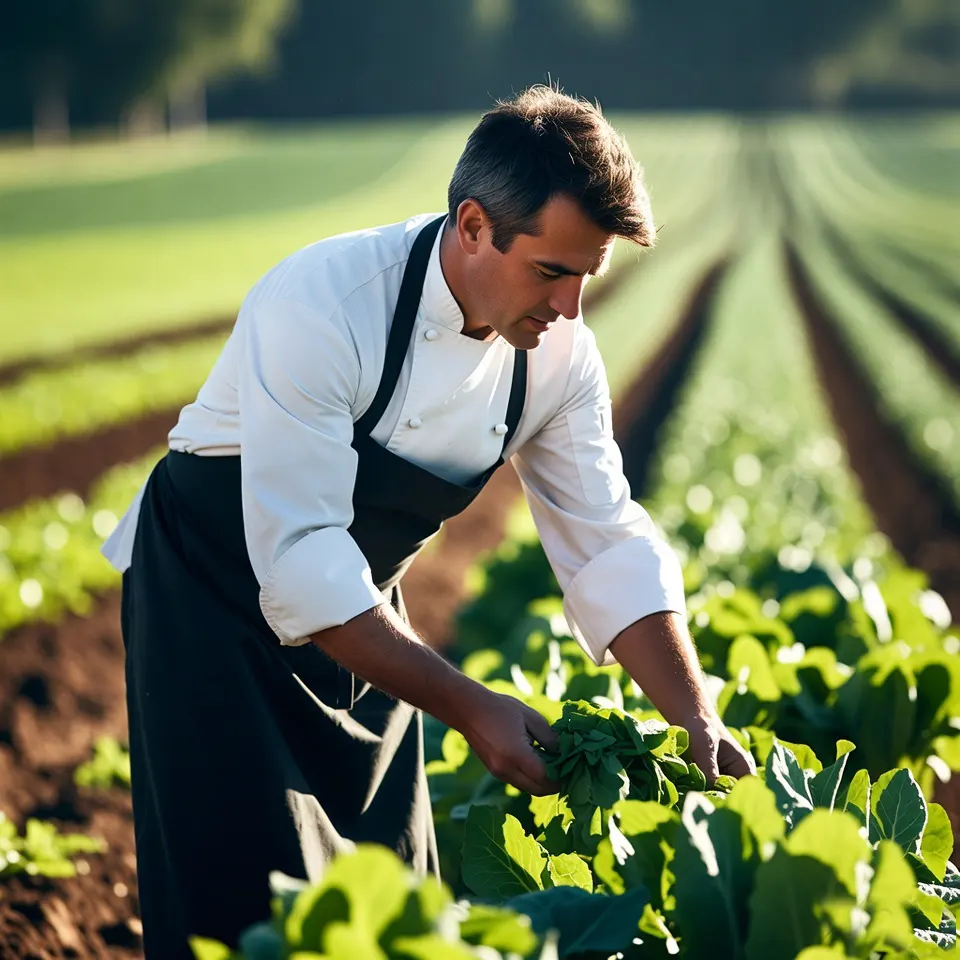
A Changing Relationship Between Diners and Food
Modern diners are more conscious than ever about how their food is produced.
Many luxury restaurants now include information about partner farms directly on their menus.
Some establishments even host farm visits or tasting events where guests can meet the farmers behind the ingredients.
This transparency adds emotional depth to the dining experience and reinforces the story behind every dish.
The Future of Fine Dining
As sustainability becomes central to the hospitality industry, chef-to-farmer partnerships are likely to expand even further.
From urban rooftop farms to regenerative agriculture projects, restaurants are exploring new ways to strengthen connections between kitchens and the land.
For chefs striving to deliver both exceptional flavor and ethical sourcing, collaboration with farmers may soon become the defining ingredient of modern gastronomy.
The rise of chef-to-farmer partnerships represents a powerful evolution in fine dining.
By working directly with agricultural producers, restaurants can ensure extraordinary ingredients while promoting sustainability and transparency.
In the luxury culinary world of 2026, the journey of a five-star dish increasingly begins long before it reaches the plate—starting in the soil.
#FineDining #FarmToTable #SustainableFood #ChefToFarmer #Gastronomy #MichelinStar #ResponsibleSourcing #FoodTrends