

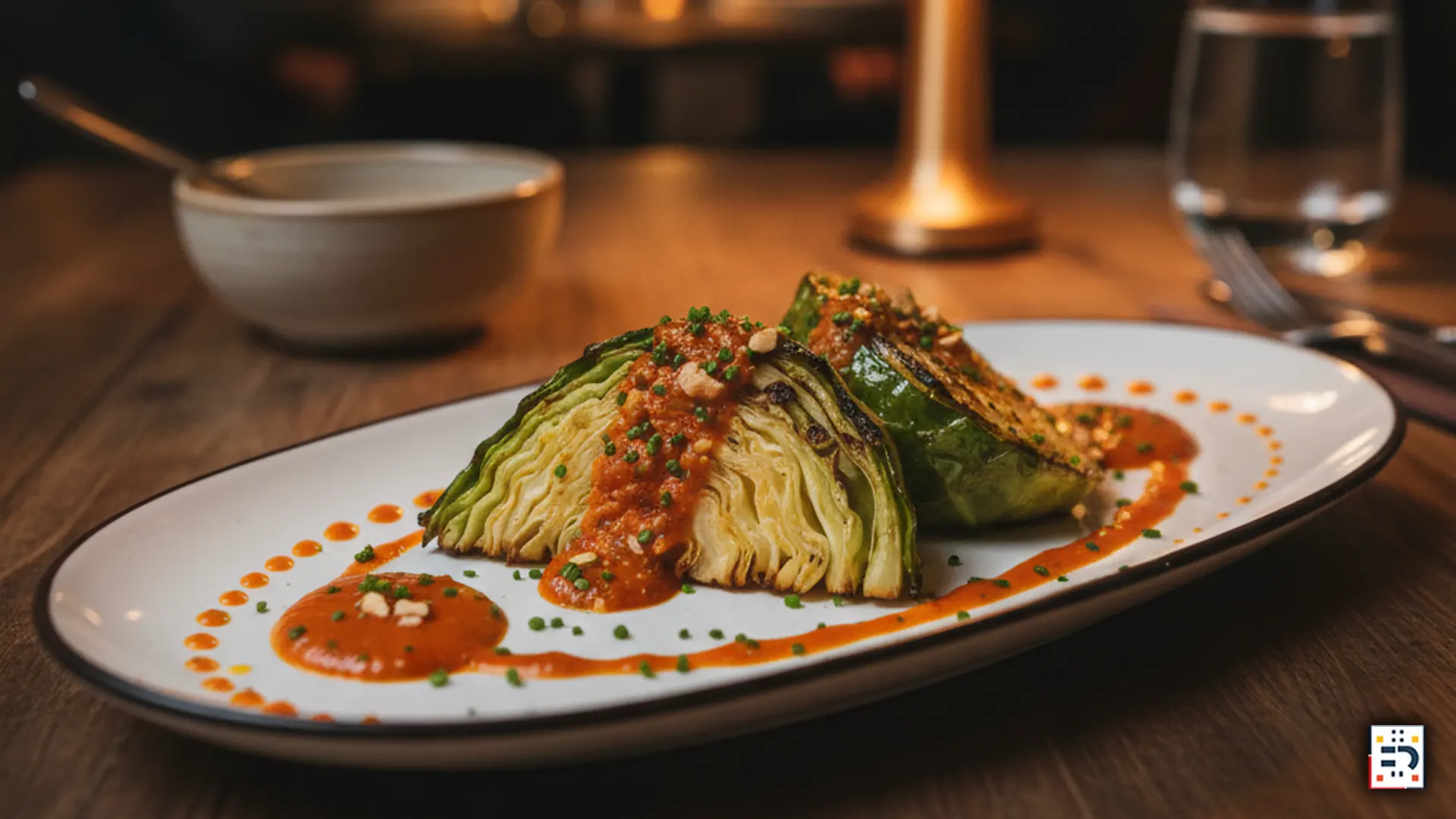
For decades, cabbage was the underdog of American produce — boiled into oblivion, relegated to coleslaw, or quietly fermented in the background as sauerkraut. In 2025 and heading into 2026, that reputation is officially over.
Cabbage is having a moment. From upscale tasting menus highlighted by outlets like Eater to fast-casual concepts reshaping menus nationwide, the humble crucifer is popping up in unexpected, creative, and decidedly modern ways. Chefs, food brands, and consumers alike are embracing cabbage not as a side dish, but as a center-of-the-plate star.
So why now — and why cabbage?
Why Cabbage Is Suddenly Everywhere
1. It Fits the “Affordable Luxury” Food Era
With U.S. food inflation still shaping consumer behavior, restaurants are under pressure to create dishes that feel premium without relying on expensive proteins. Cabbage checks every box:
- Inexpensive and widely available
- Long shelf life, reducing food waste
- Highly versatile across cuisines
According to Restaurant Business, operators are increasingly leaning into vegetables that deliver strong margins without sacrificing flavor — and cabbage performs exceptionally well.
2. Plant-Forward Dining Is No Longer Niche
Americans aren’t abandoning meat entirely, but they are eating less of it. Reports from the Good Food Institute show steady growth in plant-forward and flexitarian eating patterns.
Cabbage fits seamlessly into:
- Flexitarian diets
- Vegetable-forward menus
- Plant-centric tasting courses
Unlike delicate greens, cabbage stands up to high heat and bold seasoning, making it ideal for hearty, satisfying plant-based dishes — a key reason chefs continue to favor it.
3. Global Flavors Are Driving Reinvention
Cabbage’s global culinary roots are helping it shine as diners seek internationally inspired menus, a trend tracked closely by Datassential.
Chefs are drawing from:
- Korean cuisine, where napa cabbage anchors kimchi-based dishes
- Eastern European traditions, modernizing stuffed cabbage and braises
- Mexican cooking, using shaved cabbage instead of lettuce in tacos
- Japanese comfort food, pairing crispy cabbage with tonkatsu-style flavors
As global flavors continue to influence U.S. menus, cabbage offers familiarity with room for creativity.
How Restaurants Are Using Cabbage Right Now
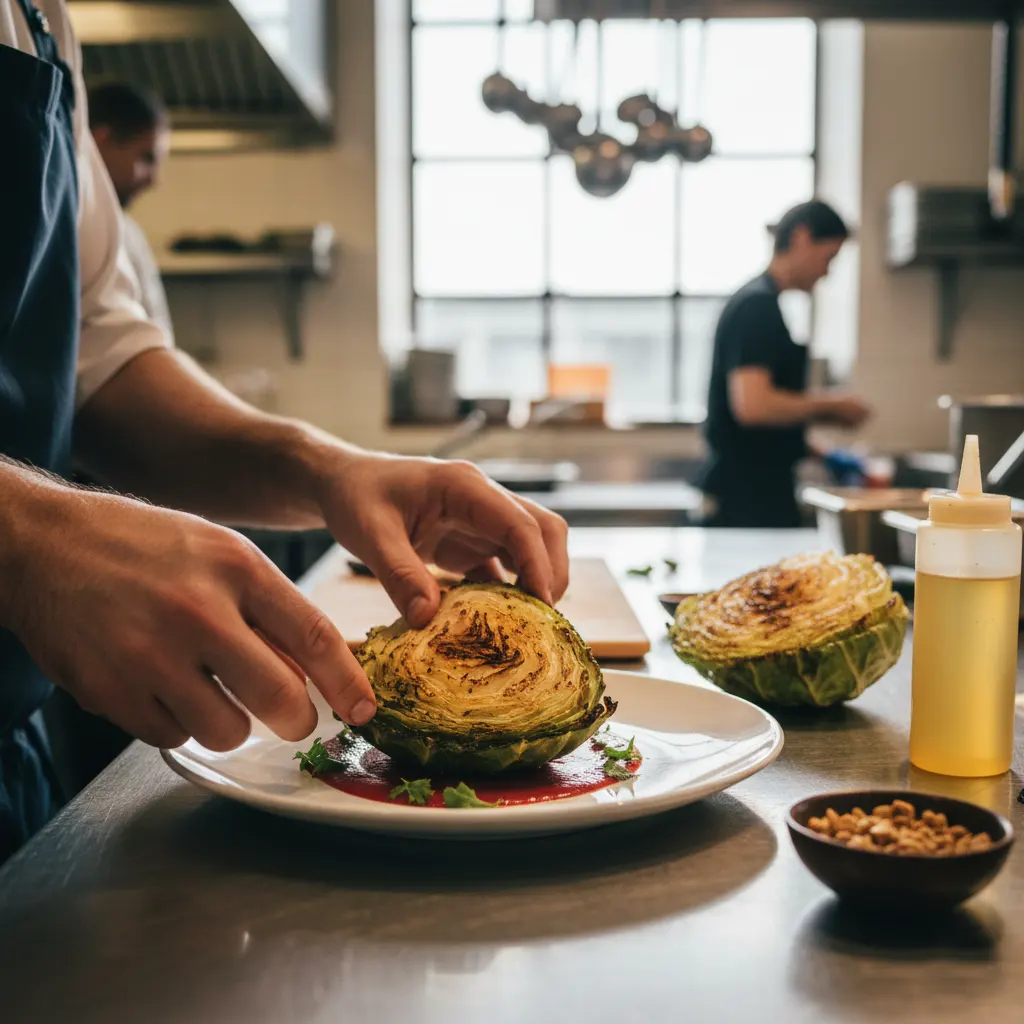
Charred & Steak-Style Cabbage
Inspired by vegetable-forward fine dining trends covered by Bon Appétit, thick wedges of cabbage are roasted or grilled until caramelized, then finished with:
- Miso butter
- Chili crisp
- Romesco or tahini sauces
The result is a dish that feels indulgent while remaining cost-efficient.
Cabbage as a Crunch Upgrade
Shaved raw cabbage is replacing romaine and iceberg in grain bowls, tacos, and sandwiches. According to Nation’s Restaurant News, operators favor cabbage because it:
- Stays crisp longer
- Handles delivery better
- Absorbs dressing without wilting
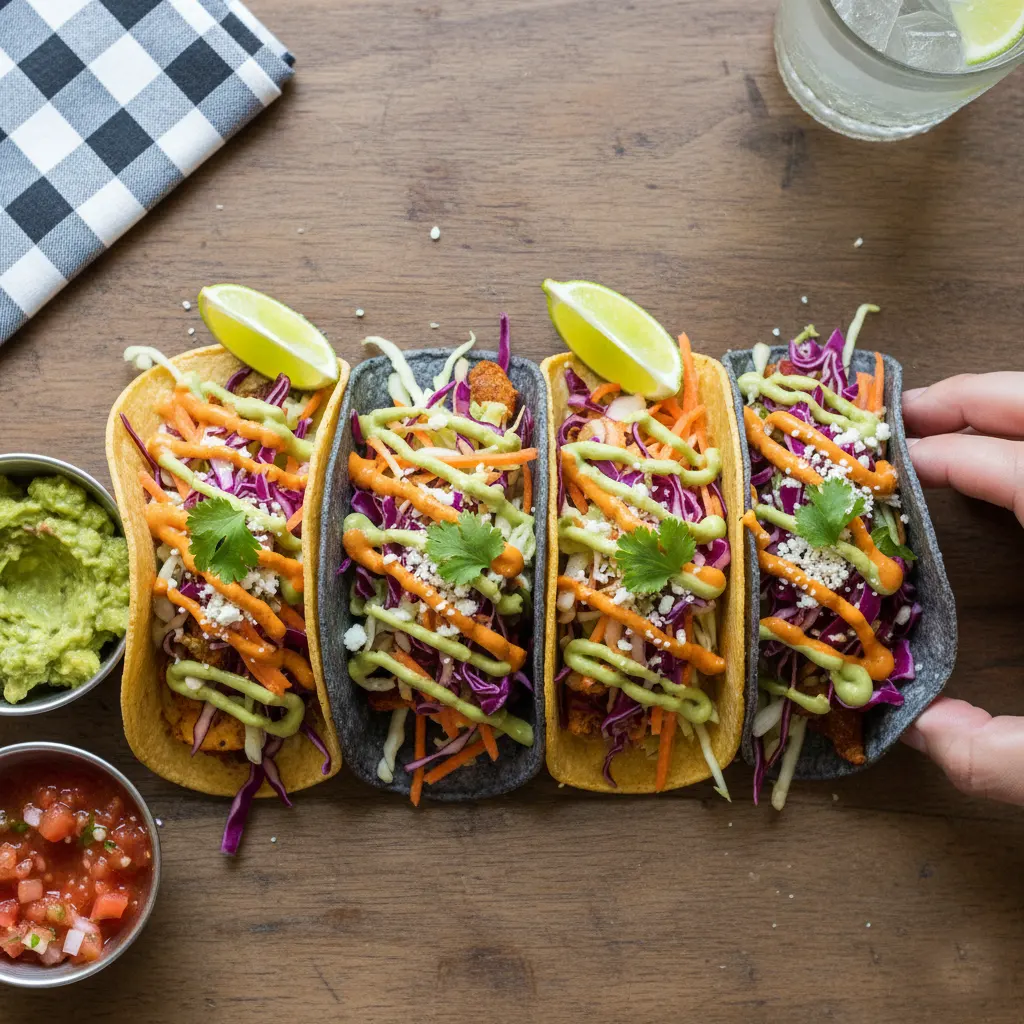
That durability matters in a takeout- and delivery-driven market.
Fermented, Pickled, and Probiotic
With gut health still influencing food choices, fermented cabbage is expanding beyond classic sauerkraut. Coverage from Harvard Health highlights growing interest in fermented foods for digestive benefits.
Menus now feature:
- House-made kimchi
- Pickled red cabbage
- Globally inspired fermented slaws
These additions deliver acidity, complexity, and perceived health value at minimal cost.
Why Consumers Are Buying Into the Cabbage Craze
It Feels Both Old-School and New
Cabbage bridges nostalgia and modernity — echoing home cooking while aligning with sustainability and wellness priorities. Consumer sentiment studies from Mintel show that foods perceived as “traditional but adaptable” resonate strongly with younger diners.
It Aligns With “Real Food” Trends
As scrutiny of ultra-processed foods increases, cabbage represents:
- Minimal processing
- Clear sourcing
- Simple preparation
Nutrition experts at Cleveland Clinic point to cabbage’s fiber, antioxidants, and micronutrients as reasons it’s gaining renewed attention.
From Fine Dining to Fast Casual
What makes cabbage’s rise especially notable is its range:
- Fine-dining restaurants are spotlighting whole-cabbage dishes
- Fast-casual chains are using it for texture and nutrition
- Meal kits and grocery brands are promoting cabbage recipes as budget-friendly
Few vegetables scale this easily across price points — a factor analysts at Technomic say is critical for long-term menu adoption.
Is Cabbage a Fad — or Here to Stay?
Unlike flash-in-the-pan food trends, cabbage’s appeal is rooted in fundamentals:
- Cost efficiency
- Culinary flexibility
- Cultural familiarity
- Nutritional credibility
Those strengths suggest this is not a passing craze but a lasting menu shift. As restaurants balance margins, creativity, and changing consumer expectations, cabbage offers a rare combination: affordable, adaptable, and craveable.
The vegetable once dismissed as boring is now quietly becoming one of the most influential ingredients in American food culture.
#Cabbage #FoodTrends #RestaurantTrends #PlantForward #USFood #MenuInnovation #VegetableForward #HealthyEating #CulinaryTrends