

Critics and audiences agree: Riot Women isn’t just another prestige drama — it’s the first true cultural phenomenon of 2026. Within days of its premiere, the series has dominated social media timelines, sparked political debates, and generated think pieces across global media.
From its unapologetically feminist narrative to its raw portrayal of power, resistance, and identity, Riot Women has become must-watch television — and a lightning rod for conversation.
What Is “Riot Women” About?
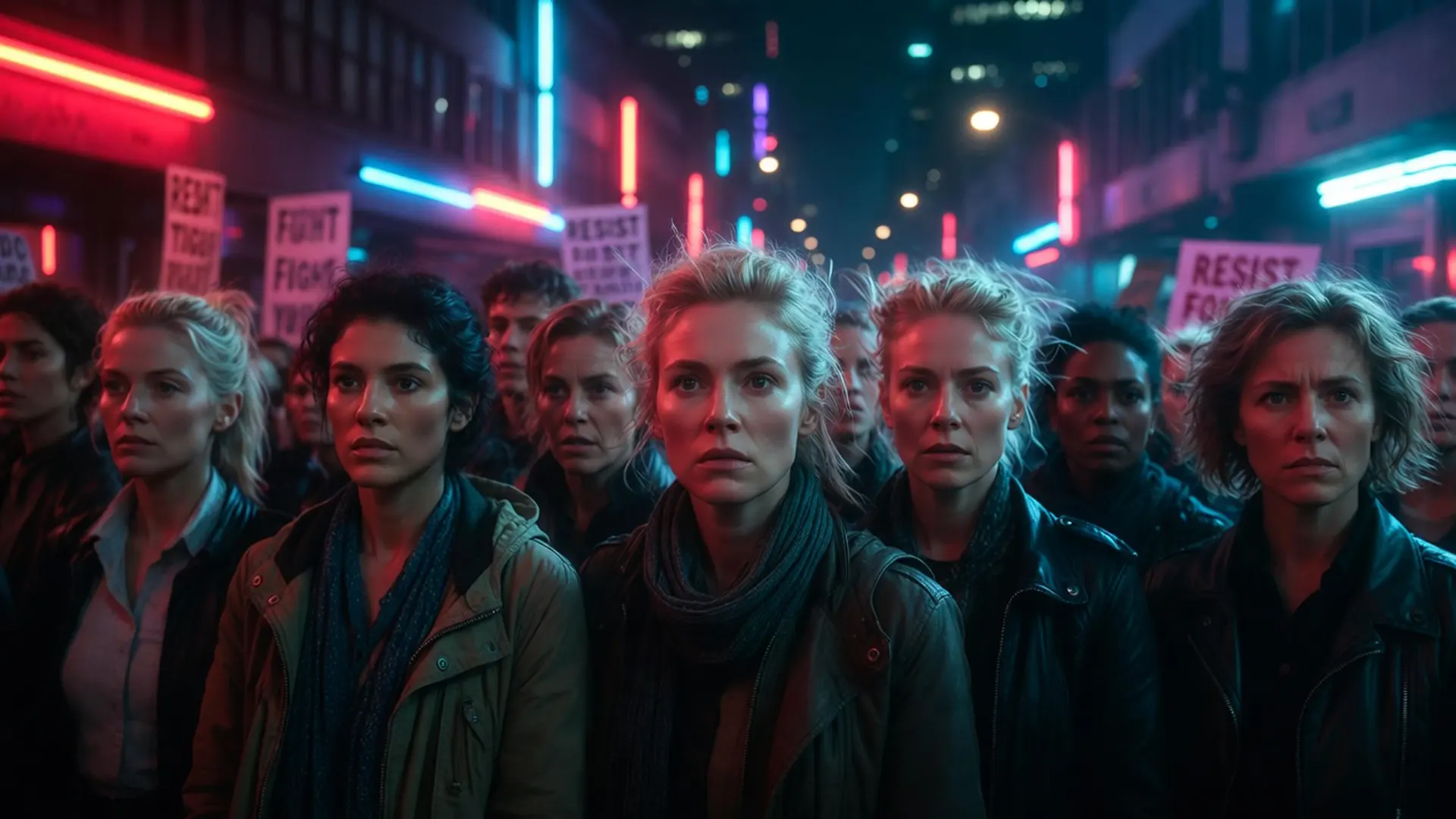
Riot Women is a high-intensity drama centered on a group of women from radically different backgrounds who become unwilling symbols of resistance after a single, viral moment pushes them into the public eye.
Set against a near-future political landscape, the show blends:
- Grassroots activism
- Media manipulation and surveillance culture
- Gender politics and power structures
- The personal cost of becoming a public symbol
Rather than offering easy heroes, Riot Women explores moral ambiguity — asking whether movements are driven by ideals, ego, or survival.
According to early reviews on IMDb and coverage from The Guardian, the show’s writing has been praised for refusing to simplify complex social conflicts.
The Core Themes Fueling the Hype
1. Rage as a Political Language
Riot Women reframes anger — particularly women’s anger — as a rational, political response rather than a character flaw. In a media environment that often punishes emotional expression, the show treats rage as data.
2. The Cost of Visibility
One of the series’ most powerful ideas is how visibility becomes a trap. The characters gain influence through social media, but that influence invites surveillance, harassment, and exploitation — echoing real-world debates around digital activism.
3. Collective Power vs. Individual Survival
The show constantly asks: when does a movement stop protecting the people inside it? This tension resonates strongly with audiences in an era shaped by protest movements and online mobilization.
Why “Riot Women” Is Exploding on Social Media
The series didn’t just premiere — it detonated across platforms like X (formerly Twitter), TikTok, and Instagram.
Here’s why it’s trending:
- Viral monologues clipped and shared millions of times
- Heated debates over whether the show is “too political”
- Fashion and visual aesthetics inspiring fan edits
- Creators dissecting episodes on TikTok and YouTube
Much like earlier cultural flashpoints such as Euphoria or The Handmaid’s Tale, Riot Women thrives in the algorithm — built for discussion, disagreement, and replay.
Why Critics Are Calling It the First Defining Show of 2026
Television critics from outlets including Variety and The Hollywood Reporter have described Riot Women as:
- “Urgent without being preachy”
- “A rare example of political television that trusts its audience”
- “Designed for the post-streaming attention economy”
In an era of content overload, Riot Women feels intentional — sharp, confrontational, and impossible to background-watch.
What to Watch Next If You Loved “Riot Women”
If Riot Women left you wanting more stories that challenge power and provoke conversation, here are some essential follow-ups:
The Handmaid’s Tale
A dystopian exploration of control, resistance, and bodily autonomy. Watch on Hulu
Years and Years
A chilling political drama about how small political shifts reshape everyday life. Watch on HBO
Top of the Lake
A slow-burn crime drama examining trauma, gender, and institutional failure. View on IMDb
Little Fires Everywhere
A character-driven exploration of motherhood, privilege, and identity politics. Watch on Hulu
A Show Built for This Moment
Riot Women isn’t trying to unite everyone — and that’s precisely why it works. It reflects a fractured, hyper-connected world where stories don’t just entertain; they provoke, divide, and mobilize.
Whether you see it as revolutionary television or controversial provocation, one thing is clear: 2026’s TV conversation starts here.
#RiotWomen #TVDrama #StreamingSeries #WomenLedStories #TVAddict