

 By Vinod Ram
A surprising cultural trend is dominating search engines in 2026. The year 1986 has emerged as the most searched year online, driven by what analysts now call “retro-ainment” — a blend of nostalgia, pop culture, and digital rediscovery.
From classic films and chart-topping music to video games and fashion, Gen Z and millennials are revisiting 1986 at record levels. Search data from platforms like Google Trends shows sharp spikes tied to reboots, anniversaries, and viral social media moments.
What Is “Retro-ainment”?
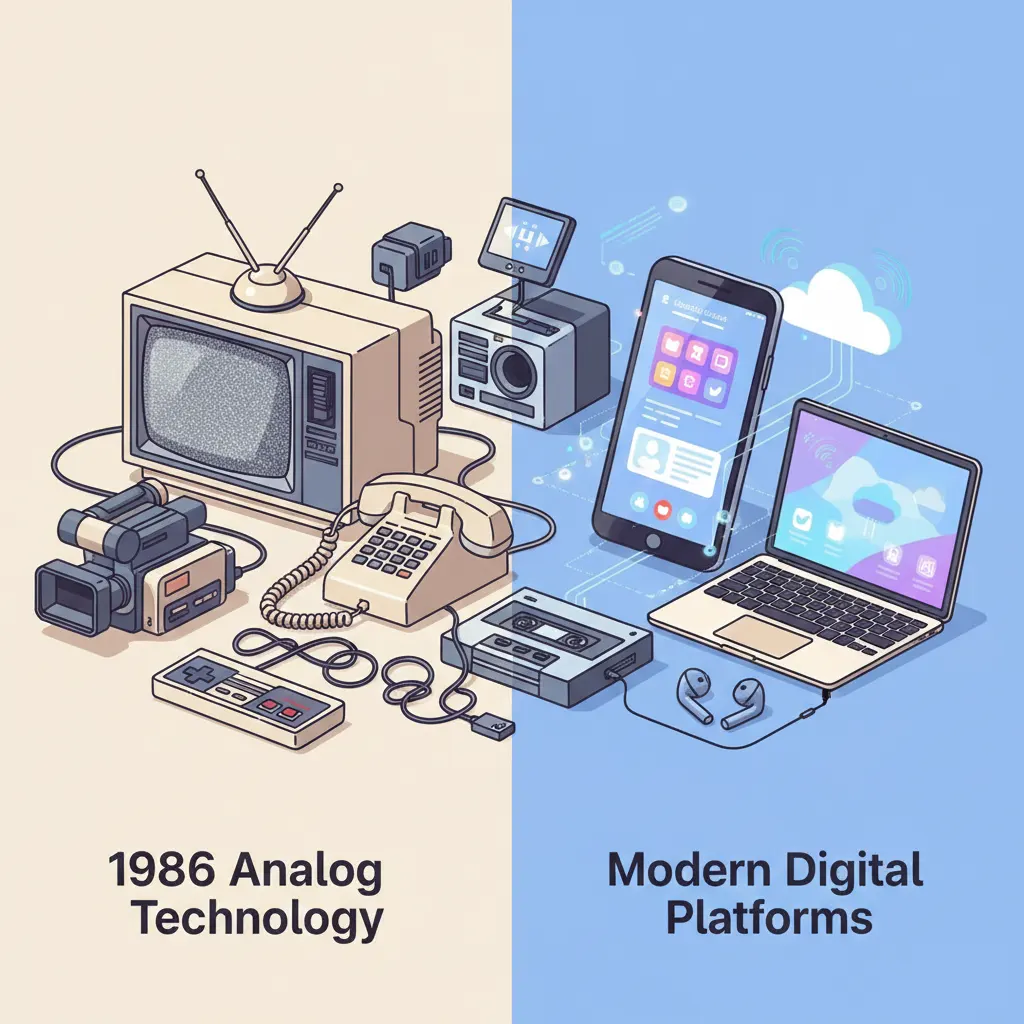
Retro-ainment describes the modern revival of past entertainment through today’s digital platforms. Streaming services, social media, and gaming emulators now repackage older content for new audiences.
Platforms like Netflix, Spotify, and YouTube play a major role by resurfacing classic titles and recommending them algorithmically.
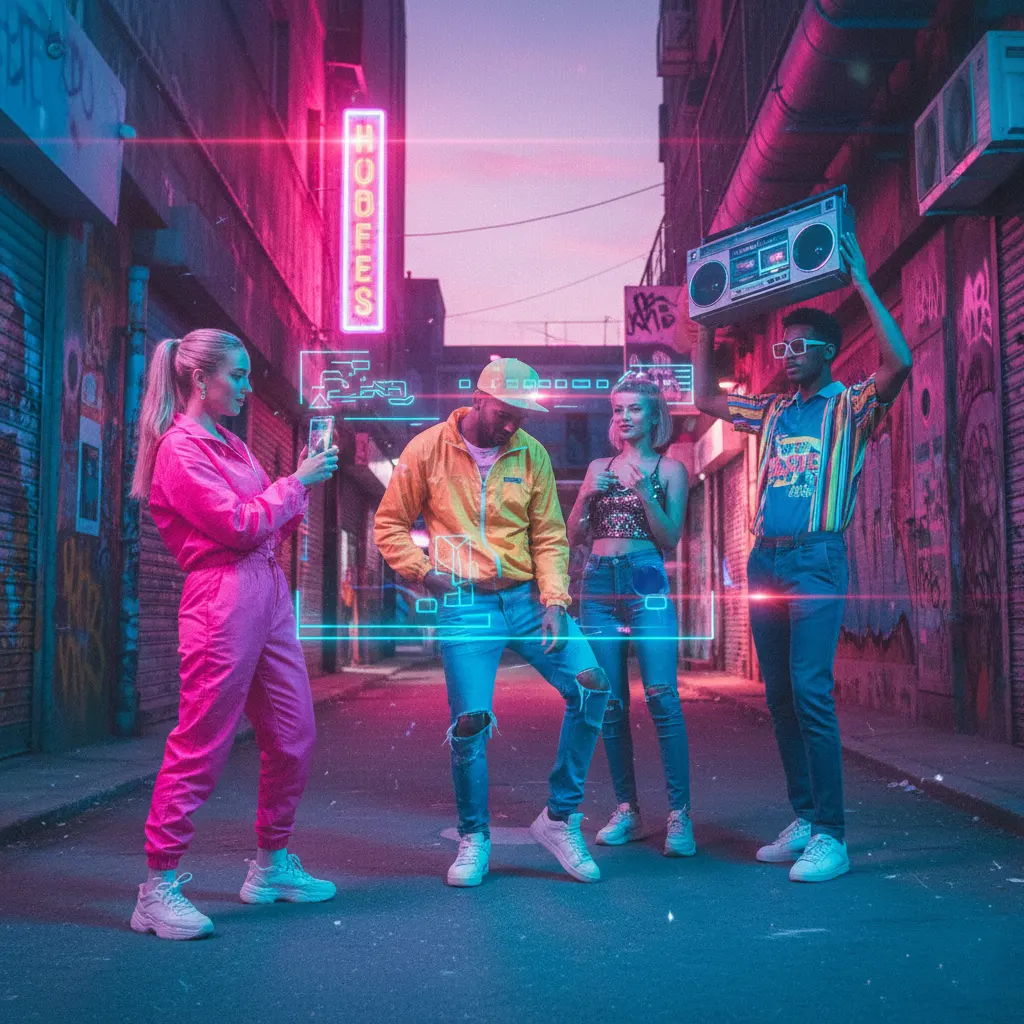
Why 1986? The Perfect Cultural Storm
The year 1986 sits at a unique crossroads of entertainment history. It produced iconic films like Top Gun and Aliens, which continue to influence modern cinema.
Music from artists such as Madonna, Prince, and Metallica still dominates playlists and social video soundtracks.
In gaming, 1986 marked the global rise of Nintendo franchises that remain dominant today. The release era of early Nintendo titles laid the foundation for modern gaming culture.
The Role of Social Media and Algorithms
Short-form video platforms like TikTok and Instagram have accelerated the 1986 revival.
Creators remix old movie scenes, fashion aesthetics, and music tracks for modern audiences. Once a single clip gains traction, algorithms amplify it to millions of users.
This feedback loop turns niche nostalgia into mainstream search behavior almost overnight.
Why Gen Z Is Driving the Search Boom
Unlike previous generations, Gen Z did not grow up with 1980s media. That distance creates curiosity rather than fatigue.
Cultural analysts from Pew Research Center note that younger audiences use nostalgia as a form of escapism during uncertain economic and social periods.
For Gen Z, 1986 represents a stylized, pre-digital era that feels authentic, bold, and emotionally expressive.
Fashion, Technology, and the 1986 Aesthetic
The influence of 1986 extends beyond screens. Fashion brands have revived oversized jackets, neon colors, and retro sneakers.
Tech companies also borrow visual cues from the era. Limited-edition devices, pixel fonts, and analog-inspired interfaces now appear across consumer electronics.
What This Trend Says About 2026
The obsession with 1986 reflects more than nostalgia. It signals a broader desire for cultural grounding in a fast-moving digital world.
As artificial intelligence and automation reshape daily life, audiences look backward for human stories, imperfect creativity, and emotional clarity.
Will Retro-ainment Last?
Experts believe retro-ainment will continue evolving rather than fading. Each year may spotlight a different cultural moment, but the demand for rediscovery will remain.
In 2026, that moment happens to be 1986 — a year that still resonates, inspires, and now dominates search behavior.
#RetroEntainment #1986Trends #NostalgiaCulture #GenZNostalgia #PopCultureRevival #DigitalTrends