

 By Vinod Ram
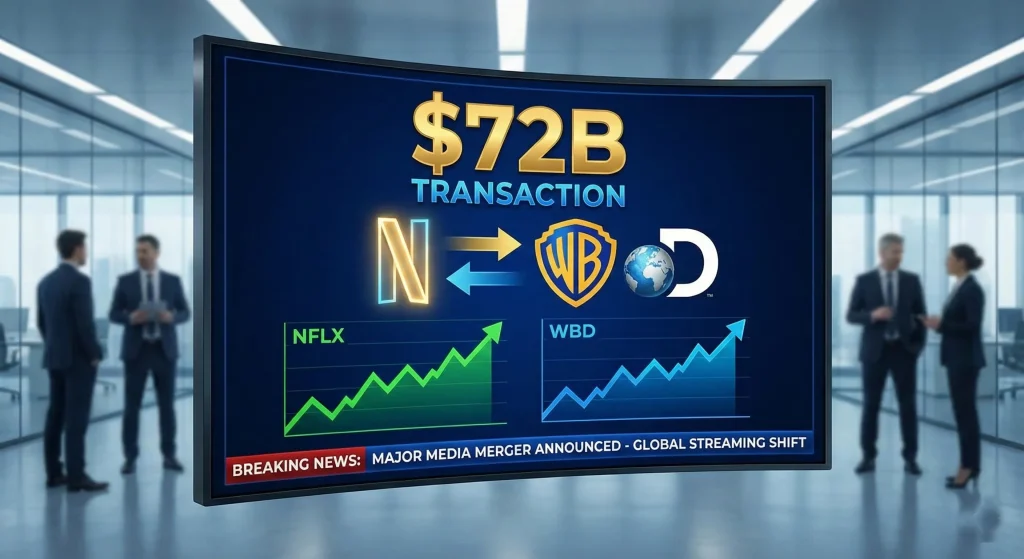
In one of the biggest entertainment industry deals in modern history, Netflix has officially announced a $72 billion acquisition of Warner Bros Discovery (WBD) — a move that immediately reshapes Hollywood, streaming platforms, licensing power, and the future of global content.
Industry reports from The Hollywood Reporter and financial analysis from Bloomberg Markets highlight this takeover as a strategic “super-merger” designed to counter slowing subscriber growth and intensifying competition.
1. Why Netflix Made the $72B Move
After years of dominating streaming, Netflix has faced increasing competition from Disney+, Amazon Prime Video, and YouTube. The acquisition of Warner Bros Discovery gives Netflix access to some of the most valuable entertainment IP on the planet.
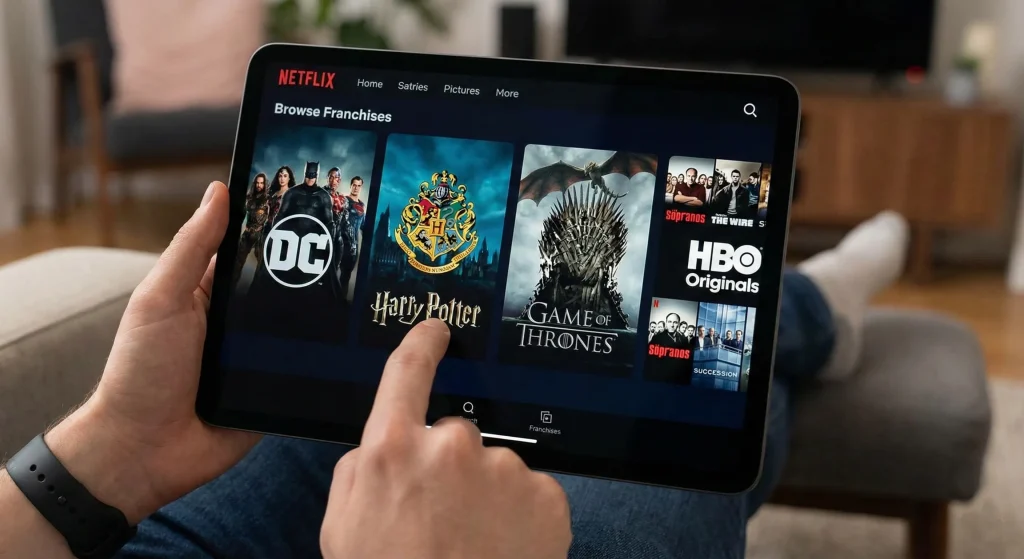
Key assets now under Netflix’s control:
- DC Universe characters & films
- Harry Potter franchise (shared rights)
- Game of Thrones universe
- The Lord of the Rings TV rights
- CNN and global news networks
- HBO original programming
- Warner Bros Film & TV Studios
According to Variety’s media analysis, content ownership is now the most valuable weapon in streaming wars.
2. What Happens to HBO, Max & Discovery+?
With WBD now part of Netflix, the future of its platforms is undergoing immediate restructuring.
Current expectations include:
- HBO and Max content merging directly into Netflix
- Discovery+ reality shows added to Netflix’s “unscripted hub”
- Legacy platforms either shut down or turned into premium channels
Industry insiders at Deadline Hollywood report that Netflix is planning a new “Prestige + Pop” brand strategy to blend HBO-quality productions with global mainstream content.
3. How This Reshapes Hollywood
Netflix is no longer just a streaming service — it becomes one of the largest entertainment companies in the world, directly competing with Disney, Universal, and Amazon Studios.
Major Hollywood shifts:
- Studios consolidate to survive rising production costs
- Licensing deals evaporate as Netflix keeps WBD content in-house
- Box office strategy changes as Netflix gains theatrical rights
- Global content expansion using WBD’s international infrastructure
Analysts from McKinsey’s Entertainment Division believe this deal will trigger a new wave of mega-mergers.
4. What This Means for Consumers
For viewers, the takeover brings several potential outcomes — both good and bad.
Benefits for Subscribers
- More premium content on a single platform
- Lower overall subscription stacking
- DC, HBO, and Netflix Originals under one roof
Potential Downsides
- Subscription price increases
- Possible content regional lockouts
- Less diversity in competing streaming platforms
5. What This Means for Creators & Filmmakers
Netflix’s acquisition of Warner Bros Discovery could redefine how creators pitch, produce, and distribute content.
Possible outcomes:
- More funding for ambitious blockbuster projects
- Consolidated creative control under one platform
- Fewer buyers in the marketplace for independent creators
- Stronger global distribution pipelines
Reports from IndieWire suggest independent creators may face tougher competition but broader reach.
Related Links You May Like
Netflix’s $72B acquisition of Warner Bros Discovery is a defining moment for the global entertainment industry. By securing some of Hollywood’s most powerful intellectual properties and production assets, Netflix positions itself as a true multimedia empire for the next decade.
Whether this leads to groundbreaking content or stifled competition remains to be seen — but it unquestionably marks the beginning of a new era in streaming.
#NetflixTakeover #WarnerBrosDiscovery #WBD #StreamingWars #HollywoodNews #MediaIndustry #EntertainmentBiz #NetflixNews #TechAndMedia #MegaMerger