

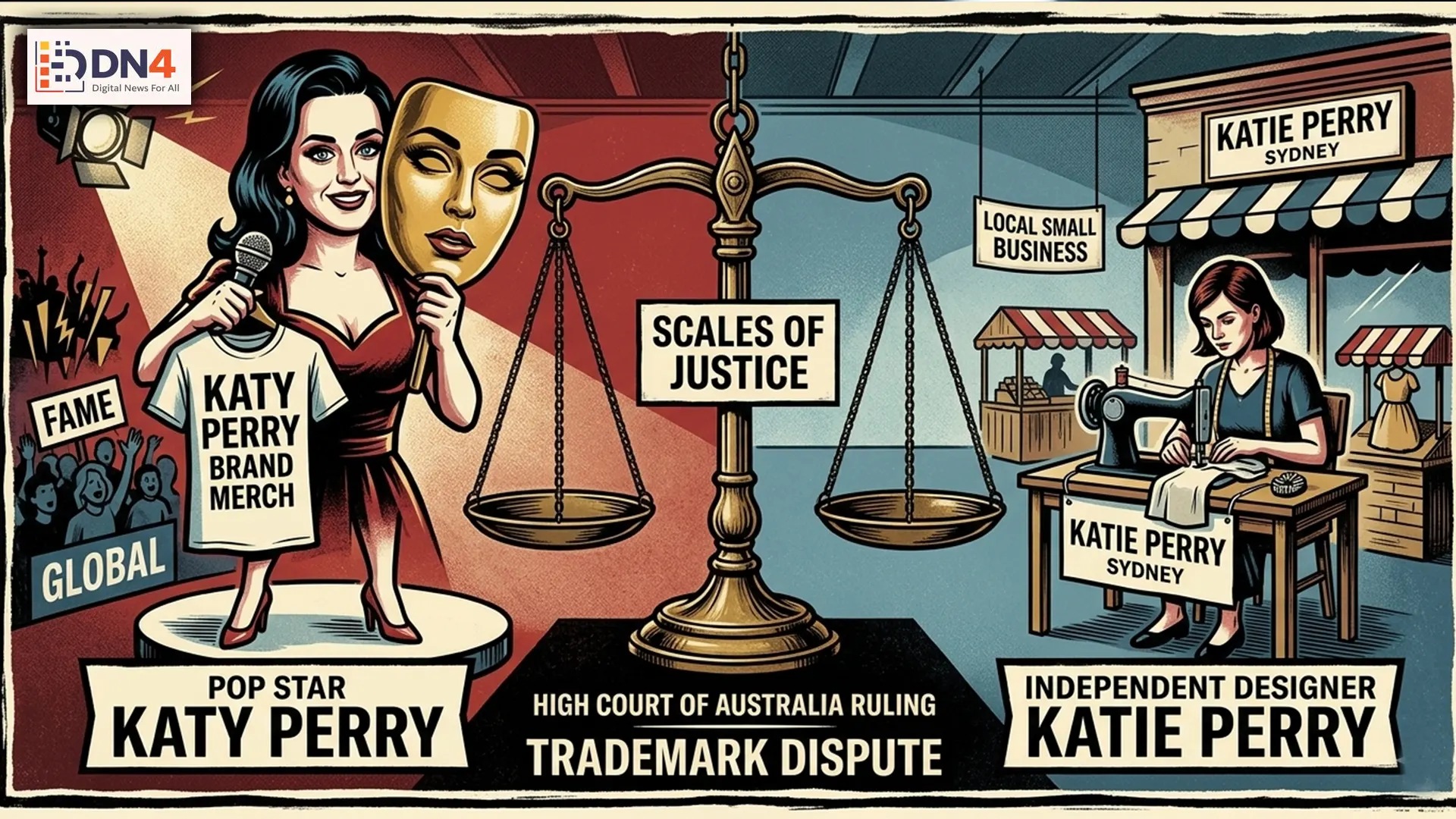
In a surprising legal outcome that has sparked widespread debate about celebrity power and intellectual property, pop superstar Katy Perry has lost a final trademark appeal against Australian fashion designer Katie Perry.
The long-running legal battle revolved around whether the singer could claim exclusive rights to sell merchandise under the name “Katy Perry” in Australia. But beyond the courtroom decision, newly resurfaced emails from 2009 have created a fresh public relations storm.
In those emails, the singer reportedly referred to the designer using harsh language — a moment that critics say highlights the darker side of celebrity branding battles.
The Trademark Dispute Explained
The case began when Australian designer Katie Perry claimed she had been operating her fashion label under her own name long before the global rise of the singer.
When the pop star’s merchandise began appearing in Australia, the designer argued it infringed on her existing trademark rights.
According to coverage from BBC News, the courts ultimately sided with the designer, ruling that the singer could not override the rights of a small business that had already established its brand locally.
The Email Leak That Changed the Narrative
While the legal arguments were complex, public attention quickly shifted after leaked internal emails surfaced from early negotiations.
In one email exchange, the singer allegedly used the phrase “stupid b****” when referencing the designer. The comments quickly circulated online, turning what was previously a technical legal dispute into a broader conversation about celebrity behavior.
Media outlets such as The Guardian and The New York Times noted that public perception often changes dramatically once personal communications become part of the story.
David vs. Goliath: Why the Story Resonates
For many observers, the dispute reflects a classic “David vs. Goliath” narrative.
On one side stands one of the world’s most recognizable pop stars, whose merchandise empire spans global tours and partnerships with major brands.
On the other side is a small independent designer defending her right to use her own name.
Legal analysts from the World Intellectual Property Organization often note that trademark disputes involving personal names can become especially complicated.
Unlike invented brand names, real names may legitimately belong to multiple individuals operating in different industries or regions.
The Ethics of Trademarking a Name
The case has also reignited debate about whether celebrities should be able to trademark common names — particularly when other individuals share the same identity.
Supporters of the designer argue that trademark law should protect smaller businesses from being overshadowed by powerful global brands.
Meanwhile, defenders of celebrity trademarks point out that artists must protect their commercial identities, especially when merchandise sales represent a major revenue stream.
The Impact on Katy Perry’s Brand
Although the legal ruling applies primarily to Australia, the reputational impact could extend much further.
In the digital age, leaked emails and internal communications often travel faster than official court decisions.
Public relations experts frequently warn that moments of private frustration — once exposed — can shape public perception for years.

Lessons for the Celebrity Economy
The case highlights a growing challenge in the celebrity-driven brand economy: balancing aggressive business strategies with public goodwill.
As celebrities increasingly launch fashion labels, beauty brands, and merchandise empires, legal conflicts with smaller creators are becoming more common.
But as this case shows, the reputational risks of appearing to overpower a small business can sometimes outweigh the commercial gains.
The Katy Perry trademark battle may have begun as a legal dispute about branding rights, but it has evolved into a broader cultural conversation.
From leaked emails to questions about fairness in intellectual property law, the story touches on issues that go far beyond one celebrity or one designer.
Ultimately, the case serves as a reminder that in the modern media landscape, business decisions and private words can quickly become part of a public legacy.
#KatyPerry #TrademarkCase #CelebrityNews #FashionIndustry #DavidVsGoliath #IntellectualProperty #PRCrisis #EntertainmentNews