

 By Vinod Ram
The entertainment world is still reacting to the groundbreaking announcement: Netflix’s acquisition of Warner Bros Discovery in a massive multibillion-dollar deal. This merger represents one of the largest power shifts in U.S. streaming history, fundamentally altering competition, content availability, and platform dominance.
Media analysis from The Hollywood Reporter and financial breakdowns from The Wall Street Journal show how the merger has far-reaching consequences for consumers and creators.
1. HBO, DC, and Warner Bros Content Migrates to Netflix
One of the most immediate impacts for U.S. viewers is content consolidation. Warner Bros Discovery owns some of the biggest franchises in entertainment — and these libraries are expected to move under Netflix’s expanding umbrella.
Major properties shifting to Netflix include:
- HBO originals like Euphoria and Succession
- DC Universe films & series
- Game of Thrones catalog
- Harry Potter franchise (shared rights)
- Warner Bros TV & movie library
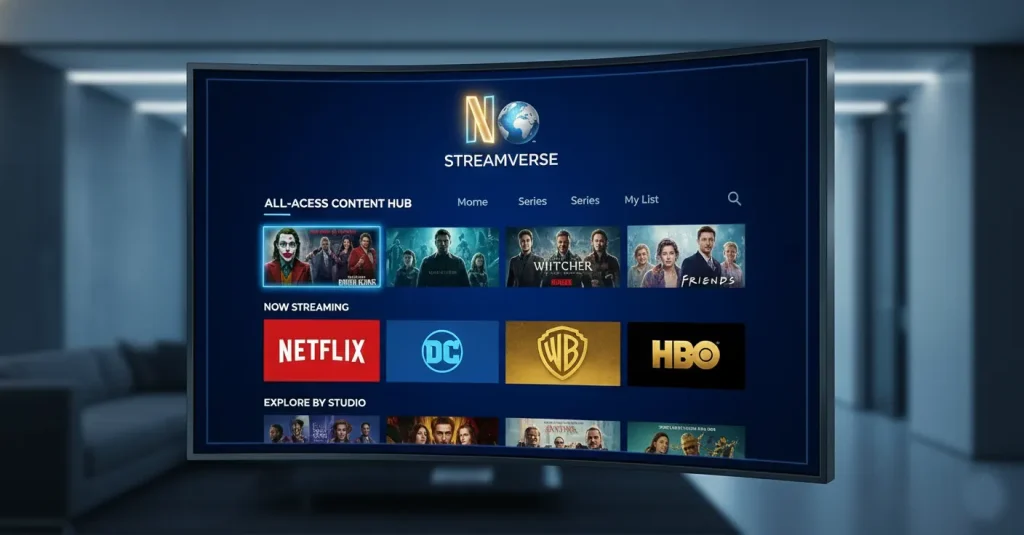
Reports from Variety indicate Netflix may create a dedicated “HBO Hub” or merged premium section.
2. The End of Platform Fragmentation
For years, U.S. viewers have been overwhelmed by the number of streaming platforms. This merger dramatically reduces fragmentation by combining two massive content libraries.
What this means for consumers:
- Fewer subscriptions needed to access major franchises
- A single unified platform hosting prestige + blockbuster content
- Reduced content hopping between platforms
Industry analysts from McKinsey Media Research note that consolidation was inevitable as streaming competition intensified.
3. Pricing Changes Are Almost Guaranteed
With more premium content under one roof, Netflix is expected to adjust pricing tiers. Historically, mergers of this scale lead to increased subscription prices.
Expected pricing shifts:
- Higher premium-tier prices due to HBO integration
- New ad-supported bundles combining Netflix + WBD content
- Optional “franchise add-ons” for major IPs
Data from CNBC’s Media Division suggests that most U.S. consumers expect price increases following large entertainment mergers.
4. Pressure Mounts on Disney, Amazon, Apple & Paramount
The Netflix–WBD deal puts enormous competitive pressure on major U.S. streaming players.
Competitors that will feel the impact most:
- Disney+ — loses long-held advantage in franchise depth
- Amazon Prime Video — forced to invest more in Originals
- Apple TV+ — must scale more aggressively
- Paramount+ — risks falling behind entirely
Analysts at Bloomberg Intelligence expect a wave of defensive mergers in response.
5. U.S. Theatrical Releases Will Shift Dramatically
With Netflix controlling Warner Bros’ theatrical distribution arm, Hollywood release strategies will change.
Likely changes include:
- Shorter theatrical windows for Netflix-owned films
- Netflix-exclusive releases for some Warner properties
- Day-one streaming options for mid-budget films
Film distribution research from Box Office Mojo suggests this could deeply impact U.S. theaters.
Related Links You May Like
The Netflix–Warner Bros deal will reshape streaming in the United States for years to come. With unmatched franchise control, expanded content libraries, and new pricing strategies, Netflix is positioned to become the dominant entertainment gateway for U.S. audiences.
Whether this leads to better choice and value — or reduced competition and higher costs — remains the central debate for the future of streaming.
#Netflix #WarnerBros #StreamingNews #MediaMerger #StreamingWarp #HollywoodNews #Streaming2025 #HBOMax #MediaIndustry #TechAndEntertainment