

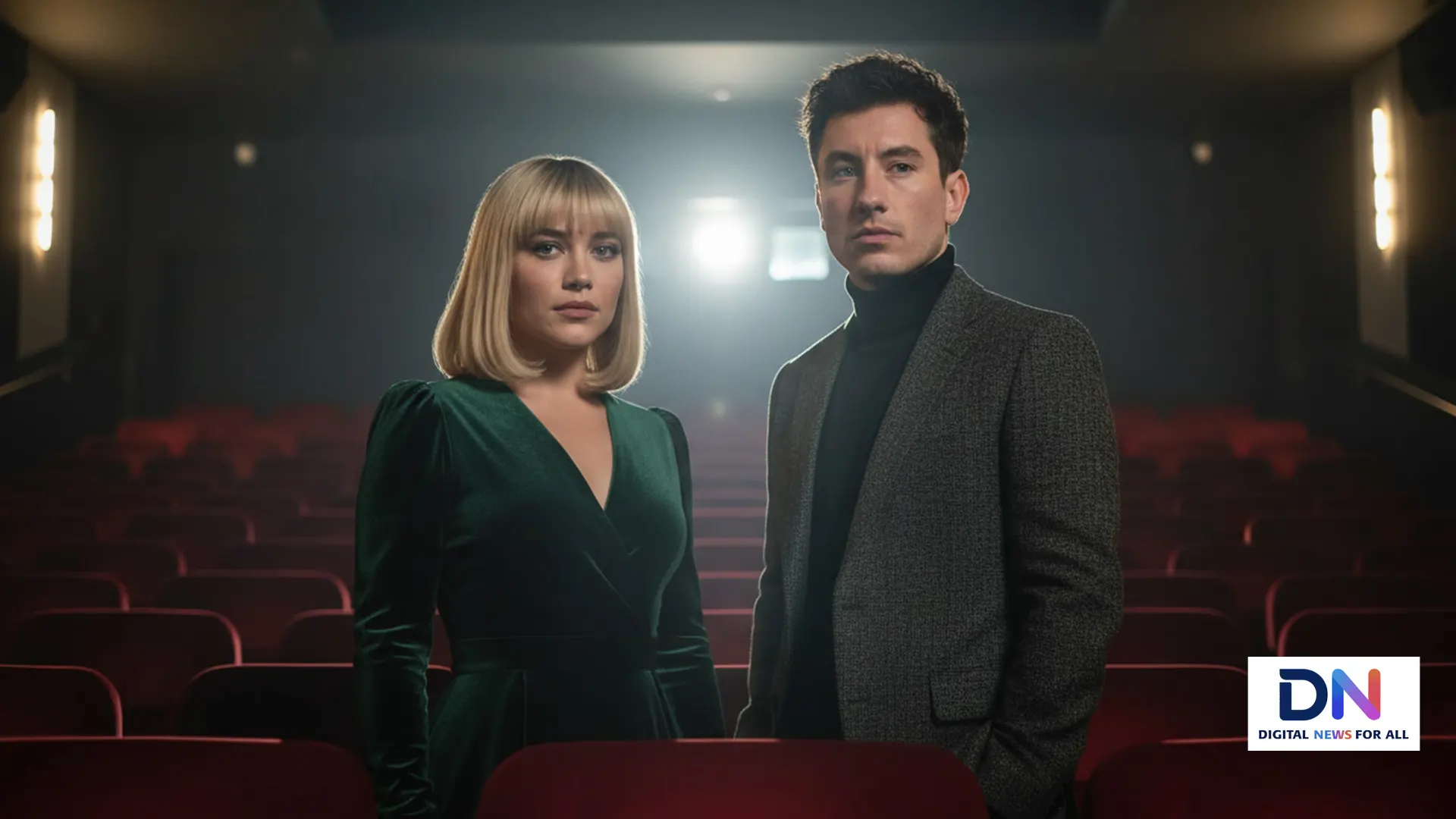
Modern cinema increasingly rewards actors who are willing to take risks. Florence Pugh and Barry Keoghan have become two of the clearest examples of that approach, moving between intimate dramas, psychological films, major franchises, and unconventional character studies.
Neither performer appears interested in building a predictable career. Instead, their filmographies show a willingness to embrace difficult characters and filmmakers with distinctive visions.
Florence Pugh Refuses to Stay in One Lane
Pugh established her reputation through challenging performances in films such as Lady Macbeth and Midsommar. She later expanded into acclaimed mainstream productions including Little Women, Oppenheimer, Dune: Part Two, and Marvel’s Thunderbolts*.
Her versatility remains one of her defining strengths. Marvel’s official coverage of Thunderbolts* places Pugh’s Yelena Belova at the center of a superhero ensemble, while her upcoming projects continue to move between blockbuster and prestige territory.
In 2026, Pugh is also appearing in Netflix’s East of Eden and returning as Princess Irulan in Dune: Part Three. Her career demonstrates that a performer can move into enormous franchises without abandoning emotionally demanding material.
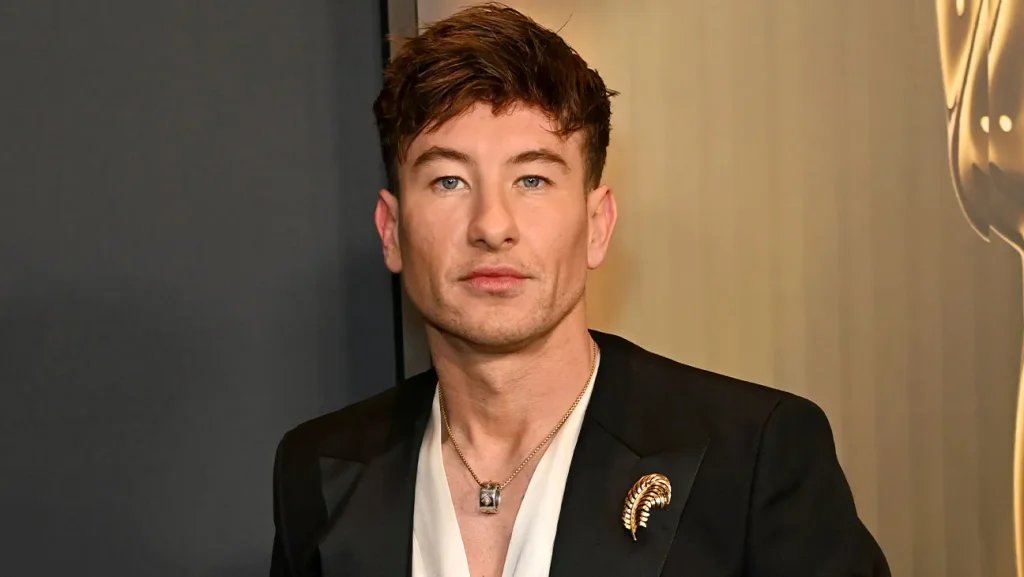
Barry Keoghan Embraces the Unpredictable
Keoghan’s career has followed an equally unconventional path. His performances in The Killing of a Sacred Deer, The Green Knight, The Banshees of Inisherin, and Saltburn established him as an actor willing to explore characters who are frequently strange, damaged, or morally complicated.
Keoghan has openly discussed his desire to preserve rawness in his performances. In an interview with Backstage, he described wanting to experiment, collaborate, and push limits rather than settle into a conventional acting formula.
That philosophy is visible in his recent work. Peaky Blinders: The Immortal Man and Crime 101 have expanded his mainstream profile while maintaining the unpredictability that made him distinctive.
Why Risk Matters
Pugh and Keoghan demonstrate two different versions of fearless acting. Pugh often brings emotional intensity and physical commitment to characters confronting extreme circumstances. Keoghan frequently works through ambiguity, discomfort, and psychological instability.
Their choices also reflect a changing entertainment landscape. Audiences can now discover performers through streaming, prestige television, franchise films, and independent cinema. Actors therefore have more opportunities to build identities across multiple formats.

From Art-House Cinema to Blockbusters
The most interesting part of their careers may be the ability to move between scales without losing individuality.
Pugh can play Yelena Belova in a Marvel production and then lead a literary adaptation. Keoghan can appear in a major franchise while continuing to pursue unsettling character-driven stories.
Florence Pugh’s filmography and Barry Keoghan’s filmography demonstrate just how wide that range has become.
The Future Belongs to Risk-Takers
Hollywood needs recognizable stars, but audiences also want surprise. Pugh and Keoghan occupy the valuable space between those demands.
Their careers suggest that modern movie stardom does not require choosing between prestige and popularity. Instead, the strongest performers can use blockbuster visibility to support more ambitious creative choices.
That is why Florence Pugh and Barry Keoghan remain so compelling. They are not simply building careers. They are demonstrating how much freedom an actor can create by refusing to play it safe.