

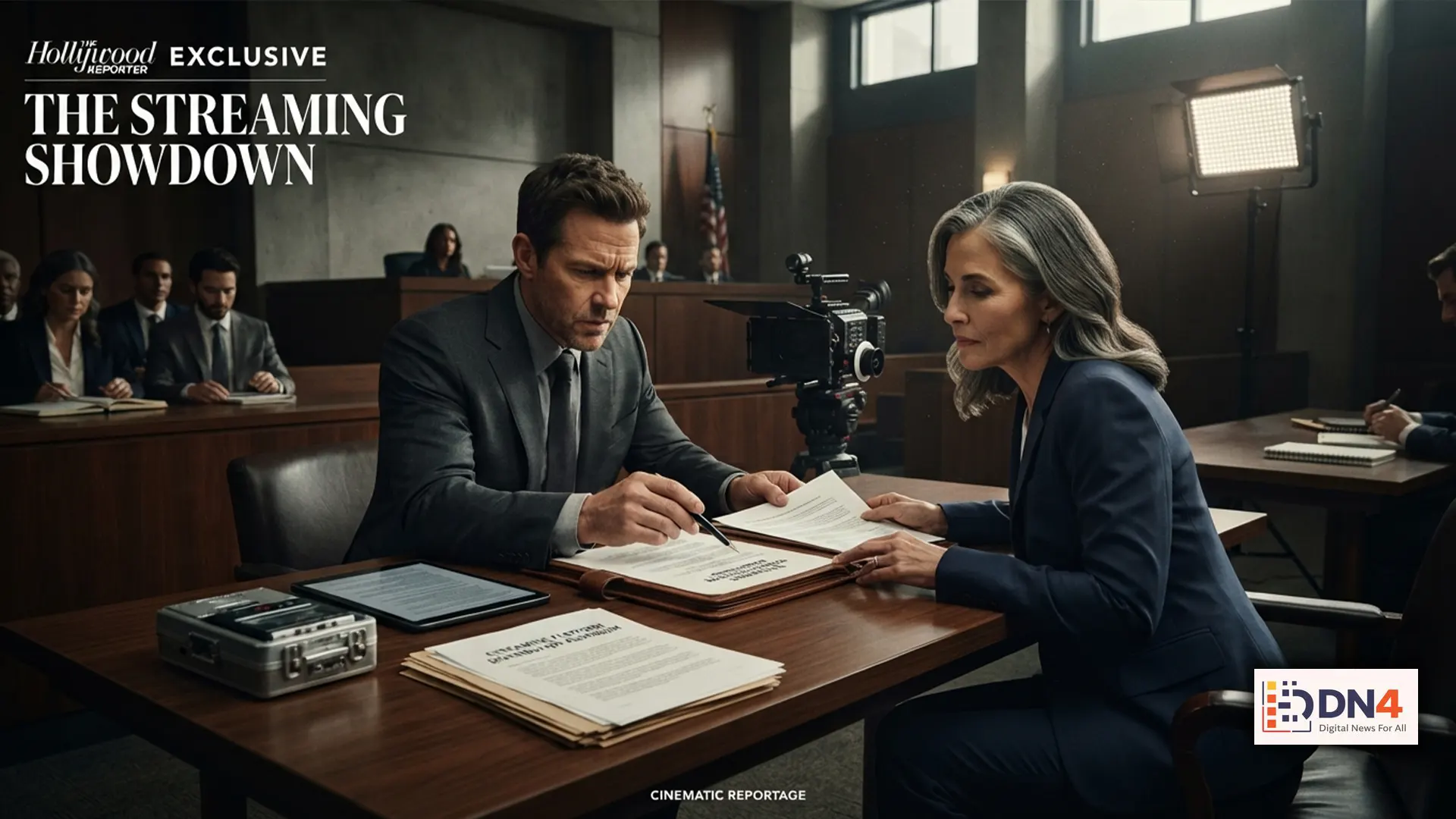
The entertainment industry has witnessed many ambitious projects, but few have attracted as much attention as Carl Rinsch’s “Conquest” project and its complicated relationship with Netflix. The production has become a major example of how large-scale streaming investments can face unexpected creative, financial, and legal challenges.
Originally developed as a high-concept science fiction series, “Conquest” was expected to become a major addition to the streaming landscape. However, disagreements surrounding production spending, project management, and contractual obligations turned the project into a closely followed Hollywood legal dispute.
The Ambitious Vision Behind Conquest
Carl Rinsch gained recognition as a filmmaker known for visual storytelling and directing 47 Ronin. His move into streaming represented the growing trend of filmmakers partnering with major platforms to create original global content.
Netflix’s expansion into original productions has transformed entertainment economics. According to Netflix, the company continues investing heavily in original films and series to compete in the global streaming market.
The “Conquest” project reflected the increasing scale of streaming productions, where creators are often given significant resources to develop ambitious concepts.

Where the Legal Dispute Began
The conflict surrounding the project reportedly involved disagreements over the use of production funds, creative control, and contractual responsibilities. These issues highlight the complex relationship between studios, streaming companies, and independent creators.
Entertainment contracts often involve multiple layers of financial approvals and creative expectations. Legal experts frequently examine these disputes because they demonstrate the challenges of managing high-budget productions.
Organizations such as the Motion Picture Association provide insight into the evolving structure of the global film and television industry.
Streaming Industry Lessons From the Dispute
The Carl Rinsch and Netflix controversy reflects wider changes in Hollywood. Streaming platforms have increased opportunities for creators but have also introduced new challenges involving budgets, accountability, and intellectual property ownership.
Reports from The Hollywood Reporter have highlighted how legal conflicts and production disputes are becoming increasingly significant as entertainment companies invest billions in original content.
The situation also demonstrates the importance of strong production oversight. Large entertainment projects require clear agreements between directors, studios, producers, and financial partners.
The Future of High-Budget Streaming Projects
As streaming competition continues, companies are searching for the next global franchise. However, the “Conquest” saga shows that creative ambition must be balanced with effective management and financial controls.
Industry analysis from Variety continues to track how Hollywood business models are changing as streaming platforms reshape traditional filmmaking.
Future productions may place greater emphasis on transparency, milestone-based funding, and stronger collaboration between creators and platforms.
Why the Conquest Story Matters
The legal battle surrounding Carl Rinsch’s Netflix deal is more than a single entertainment dispute. It represents the challenges facing modern Hollywood as technology, streaming economics, and creative freedom collide.
For audiences, the controversy provides a behind-the-scenes look at how major entertainment projects are developed, financed, and managed before reaching screens.
The “Conquest” saga highlights the complexity of modern entertainment production. As streaming companies continue investing in ambitious content, the balance between creative vision and business responsibility will remain one of Hollywood’s biggest challenges.
#CarlRinsch #Netflix #Conquest #HollywoodNews #EntertainmentLaw #StreamingIndustry #FilmProduction #MovieBusiness #MediaTrends