

 By Vinod Ram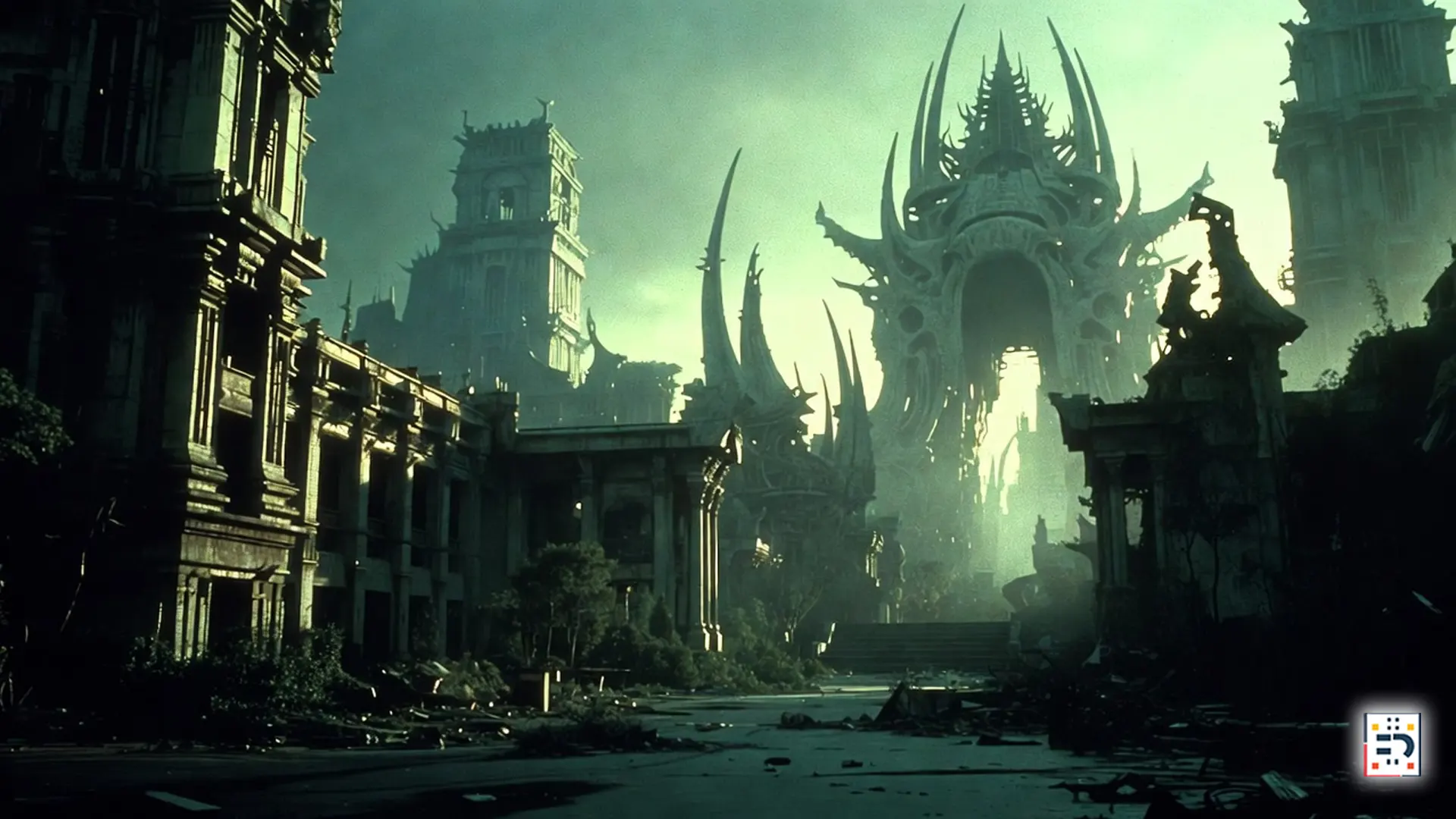
The infected are back—and audiences showed up. After years of speculation and anticipation, 28 Years Later: The Bone Temple has arrived in theaters, marking the next chapter in one of modern horror’s most influential franchises.
Its opening weekend offers more than just box office numbers. It reveals how horror audiences have changed, how legacy franchises are evolving, and whether bleak, post-apocalyptic cinema still resonates in 2026.
Opening Weekend Snapshot
The Bone Temple entered the weekend with a rare mix of nostalgia and mystery. As a continuation of the world introduced in 28 Days Later and expanded in 28 Weeks Later, expectations were deliberately cautious.
Early indicators show:
- Strong turnout from horror fans on opening night
- High curiosity-driven attendance rather than casual walk-ins
- Noticeable interest from younger audiences discovering the franchise for the first time
This suggests the film benefited as much from brand legacy as from effective mystery-driven marketing.
Why the Franchise Still Matters
The 28 series helped redefine modern zombie horror—faster infected, societal collapse, and a grounded sense of dread. Its influence can be seen across decades of genre storytelling.
Director Danny Boyle and writer Alex Garland established a tone that prioritized realism and moral ambiguity over spectacle.
The Bone Temple leans heavily into that DNA, offering less nostalgia and more atmosphere—an approach that clearly shaped audience expectations heading into opening weekend.
Audience Reaction: Divided but Engaged
Initial reactions suggest a familiar pattern for ambitious horror sequels.
Fans appear split between:
- Those praising the film’s bleak tone and thematic depth
- Those expecting more direct callbacks and traditional scares
On platforms tracking early reception such as Rotten Tomatoes, discussion has focused less on shock value and more on pacing, symbolism, and world-building.
Importantly, that debate is keeping the film visible—often a stronger long-term driver than unanimous praise.
Marketing Strategy: Less Hype, More Mystery
Unlike many modern franchise releases, The Bone Temple avoided overexposure.
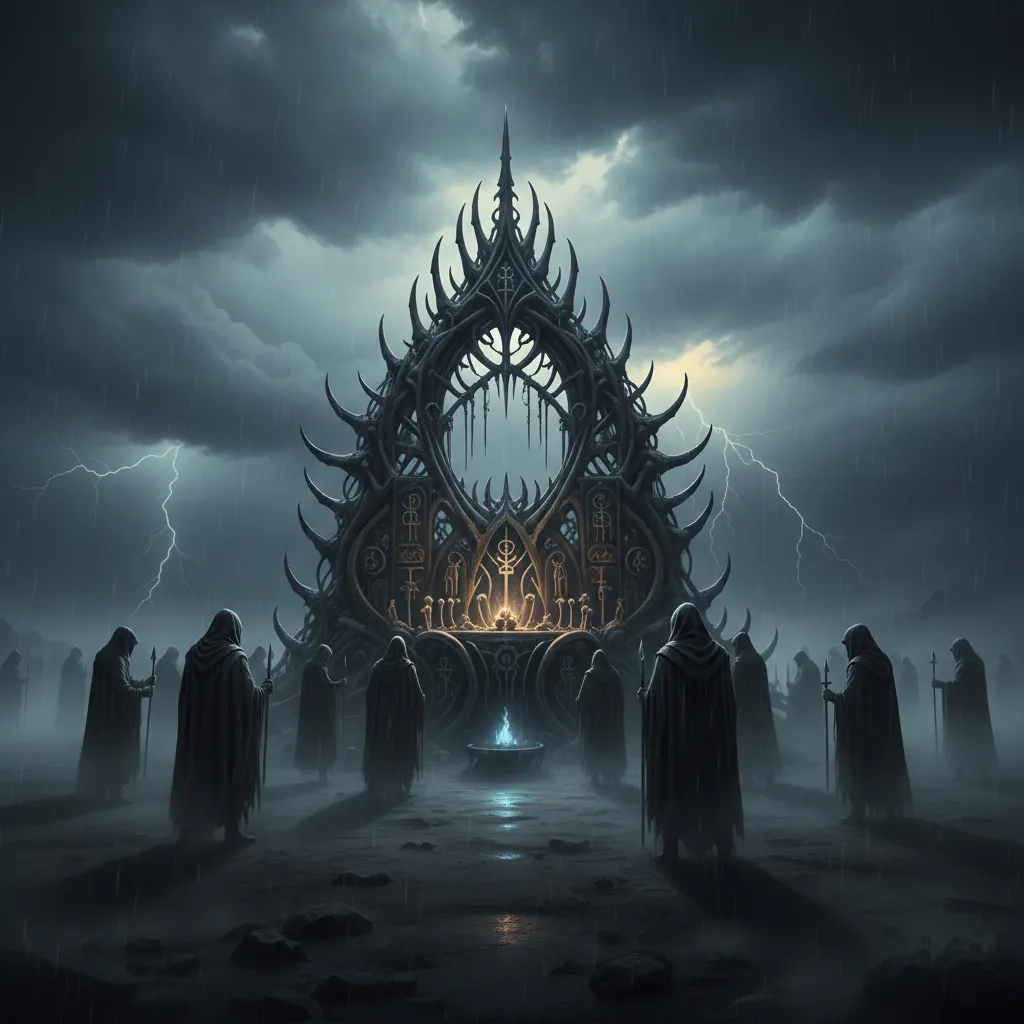
Trailers revealed mood rather than plot. Promotional material emphasized decay, silence, and ritual imagery instead of action.
This strategy:
- Encouraged spoiler-free discussion
- Positioned the film as “serious horror”
- Appealed to audiences fatigued by franchise excess
Opening weekend turnout suggests that restraint paid off—at least initially.
Box Office Context: Horror in 2026
The horror genre remains one of the most reliable theatrical performers, particularly for films with recognizable branding.
Recent years have shown that:
- Mid-budget horror films often outperform expectations
- Legacy IPs succeed when they feel purposeful, not recycled
- Word-of-mouth matters more than opening-day spectacle
The Bone Temple enters this environment positioned as a slow-burn franchise evolution rather than a crowd-pleasing event film.
What Opening Weekend Tells Us About the Future
The real test begins now.
If the film maintains momentum into its second weekend, it signals that audiences are willing to support thoughtful, challenging horror within established franchises.
If drops are steep, it may indicate that the audience for this kind of bleak storytelling is passionate—but limited.
Either way, 28 Years Later: The Bone Temple has already accomplished something important: it reignited conversation around one of horror’s most respected modern universes.
Opening weekend shows that the appetite for intelligent, uncompromising horror is still alive.
The Bone Temple may not aim to please everyone—but its willingness to challenge expectations is exactly why it matters.
Whether this chapter becomes a standalone experiment or the foundation for future installments will depend on the days ahead. For now, the franchise has proven it still has teeth.
#28YearsLater #TheBoneTemple #HorrorMovies #ZombieHorror #FilmAnalysis #OpeningWeekend