

 By Vinod Ram
WTI crude oil is back in the spotlight after a sharp price jump rattled markets and reignited fears about inflation. According to recent market reporting, U.S. crude spiked above $111 a barrel during highly volatile trading, with investors reacting to fears of deeper supply disruption in the Middle East and renewed concern over the global oil supply chain. For traders, this is a commodities story. For everyone else, it’s a household budget story.
When WTI oil prices surge, the effects don’t stay on Wall Street. They can show up fast in gas station prices, airline tickets, delivery costs, grocery bills, and even your monthly utility expenses. If you’ve been wondering why your wallet suddenly feels more pressure, oil may be part of the answer.
This latest move is being driven by a mix of supply risk, geopolitical tension, production strategy, and investor sentiment — and the consequences could last longer than many consumers expect.
Why WTI Oil Prices Are Rising Right Now
At the heart of the surge is one simple issue: markets believe supply could tighten while demand stays stubbornly resilient.
That can happen for several reasons at once:
- OPEC+ production restraint keeps global supply tighter than expected
- Geopolitical instability raises fears of export disruption
- Stronger-than-expected fuel demand supports higher crude pricing
- Speculative buying amplifies short-term price spikes
Recent reporting points to the biggest driver right now: escalating fears around shipping and supply routes linked to the Strait of Hormuz, one of the world’s most critical energy chokepoints. Analysts and market coverage this week say the risk of prolonged disruption has sharply increased the “war premium” being priced into crude.
When traders believe oil supply could get squeezed — even temporarily — prices often move before actual shortages appear. That’s why the market can feel disconnected from what consumers see immediately at the pump.
In practical terms, oil markets price in future risk, while consumers feel the cost with a delay.
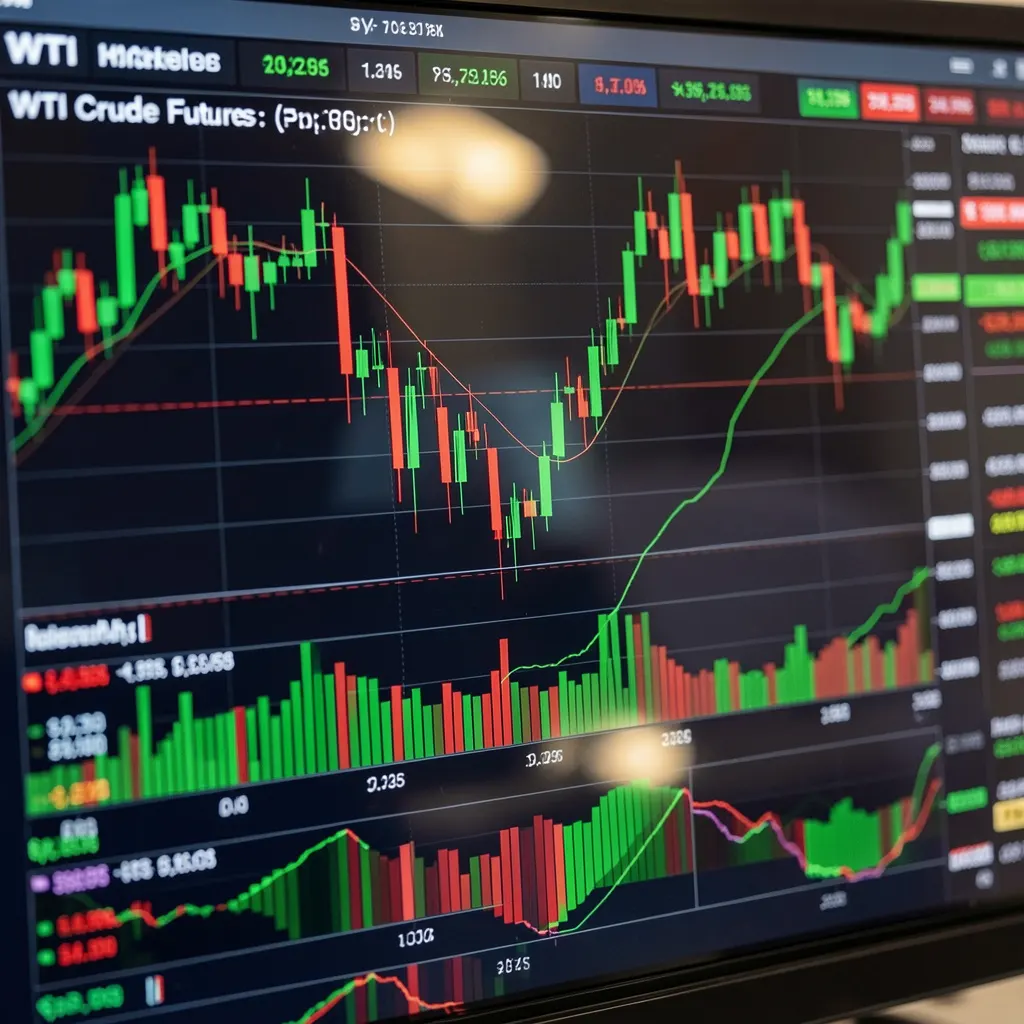
WTI vs Brent: Why This Price Matters
If you follow financial headlines, you’ll often see both WTI and Brent crude mentioned. WTI, or West Texas Intermediate, is the main U.S. oil benchmark, while Brent is the global reference used more broadly across international markets.
That said, some of the recent “WTI above Brent” headlines are more technical than they first appear. Market coverage suggests part of the apparent inversion is tied to backwardation and differences in contract delivery timing, not just a simple global pricing flip.
For American consumers — and many global importers — WTI is especially important because it influences fuel refining economics, wholesale energy pricing, and broader inflation expectations.
That means a surge in WTI doesn’t just matter to traders. It matters to:
- Drivers filling up every week
- Families booking summer travel
- Small businesses managing shipping costs
- Consumers already stretched by food inflation
What This Means for Gas Prices
The most obvious effect of rising crude is higher fuel prices. Crude oil is the core input in gasoline production, so when benchmark prices climb, fuel distributors and retailers eventually pass those costs through.
That doesn’t happen instantly, but it usually happens fast enough to be felt within days or weeks.
If the surge continues, consumers may notice:
- More expensive petrol and diesel
- Higher ride-share and transport costs
- Increased logistics costs that hit retail prices
- More expensive air travel due to jet fuel pressure
Several recent reports have already warned that higher crude is feeding directly into transport and consumer fuel anxiety, especially as markets react to possible prolonged instability rather than a one-day spike.
Why Groceries and Inflation Could Also Rise
Oil doesn’t only power cars — it helps power the entire supply chain.
From farming equipment and food transportation to packaging and warehousing, higher energy costs can ripple across the economy. That’s why economists watch crude closely when assessing inflation risk.
Here’s where households may feel it next:
- Groceries due to transport and packaging costs
- Online shopping through shipping surcharges
- Utility bills depending on local energy mix
- Travel and tourism as airlines and hotels adjust pricing
Broader economic coverage this week has warned that a sustained crude rally could worsen “warflation” risks, keeping consumer prices sticky even if central banks were hoping inflation would ease further.
Should Consumers Be Worried?
Concerned? Yes. Panicked? No.
Oil markets are notoriously volatile, and not every price surge becomes a long-term shock. But if elevated crude prices persist, consumers should prepare for a period of higher living costs, especially in transport-heavy categories.
Smart financial moves right now include:
- Budgeting for slightly higher fuel and grocery costs
- Booking travel early before fares rise further
- Watching utility and delivery expenses more closely
- Tracking inflation-sensitive household spending
The recent jump in WTI oil prices isn’t just a market story — it’s a real-world affordability story. When crude rises, the chain reaction can hit nearly every corner of household spending.
Whether this turns into a short-lived spike or a longer inflation problem will depend on supply, politics, and how long markets believe the pressure will last. But one thing is already clear: what happens in oil doesn’t stay in oil.
#WTIOil #OilPrices #CrudeOil #GasPrices #Inflation #EnergyMarkets #OPEC #PersonalFinance #MarketNews #ConsumerCosts #GlobalEconomy