


Recent economic data suggests the United States is experiencing a narrowing current-account deficit, a shift that could have significant implications for global financial markets and the strength of the US dollar.
The current account measures the difference between what a country earns from exports and investments abroad versus what it spends on imports and foreign obligations. According to data released by the U.S. Bureau of Economic Analysis, the latest figures indicate the gap is shrinking faster than many analysts expected.
What Is the Current-Account Deficit?
The current-account deficit represents the balance of trade in goods and services, along with income flows and international transfers.
When the deficit narrows, it means the country is spending less abroad relative to what it earns internationally. Economists tracking global financial trends at The International Monetary Fund often view this as a sign of improving economic balance.
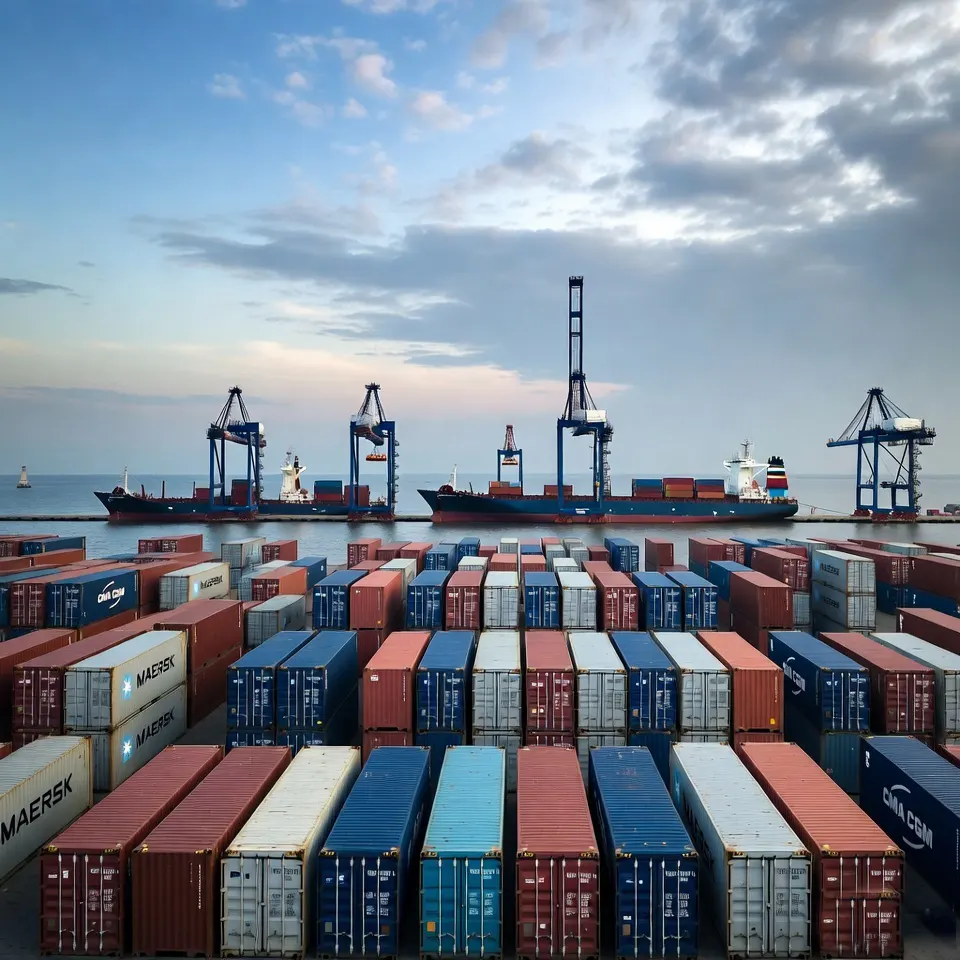
Why a Smaller Deficit Can Strengthen the Dollar
A narrowing deficit can boost confidence in a country’s currency for several reasons:
- Reduced reliance on foreign capital
- Stronger export performance
- Improved investor confidence in economic stability
Analysts speaking to Reuters Markets note that currency traders closely monitor these indicators when evaluating long-term exchange rate trends.
Global Trade Dynamics Are Changing
Shifts in global supply chains and trade flows have also contributed to the changing balance. As American exports increase and import demand stabilizes, the deficit begins to shrink.
Financial analysts from Bloomberg Markets suggest that stronger manufacturing output and energy exports have played a role in improving the balance.
What This Means for Investors
Currency markets react quickly to macroeconomic signals like the current-account balance. A stronger dollar can affect everything from commodity prices to international investment flows.
Market strategists at CNBC Global Markets point out that investors often interpret a shrinking deficit as a sign of economic resilience.

Impact on Consumers and Businesses
While currency trends often seem abstract, they can have real-world effects:
- A stronger dollar can reduce the cost of imported goods
- International travel may become cheaper for US consumers
- Export-focused companies may face increased competition abroad
Trade researchers at OECD note that currency strength can create both opportunities and challenges for businesses operating in global markets.
Looking Ahead
Economists will continue to monitor trade flows, energy exports, and global economic conditions to determine whether the trend continues. If the current-account gap keeps narrowing, the US dollar could maintain its position as one of the world’s strongest reserve currencies.
The latest deficit update highlights how interconnected the global economy has become. A smaller current-account gap signals stronger financial fundamentals and growing confidence among international investors.
For consumers, businesses, and investors alike, these shifts could influence everything from exchange rates to everyday prices in the months ahead.
#USDeficit #USDollar #GlobalEconomy #CurrencyMarkets #EconomicTrends #FinanceNews #WorldEconomy