

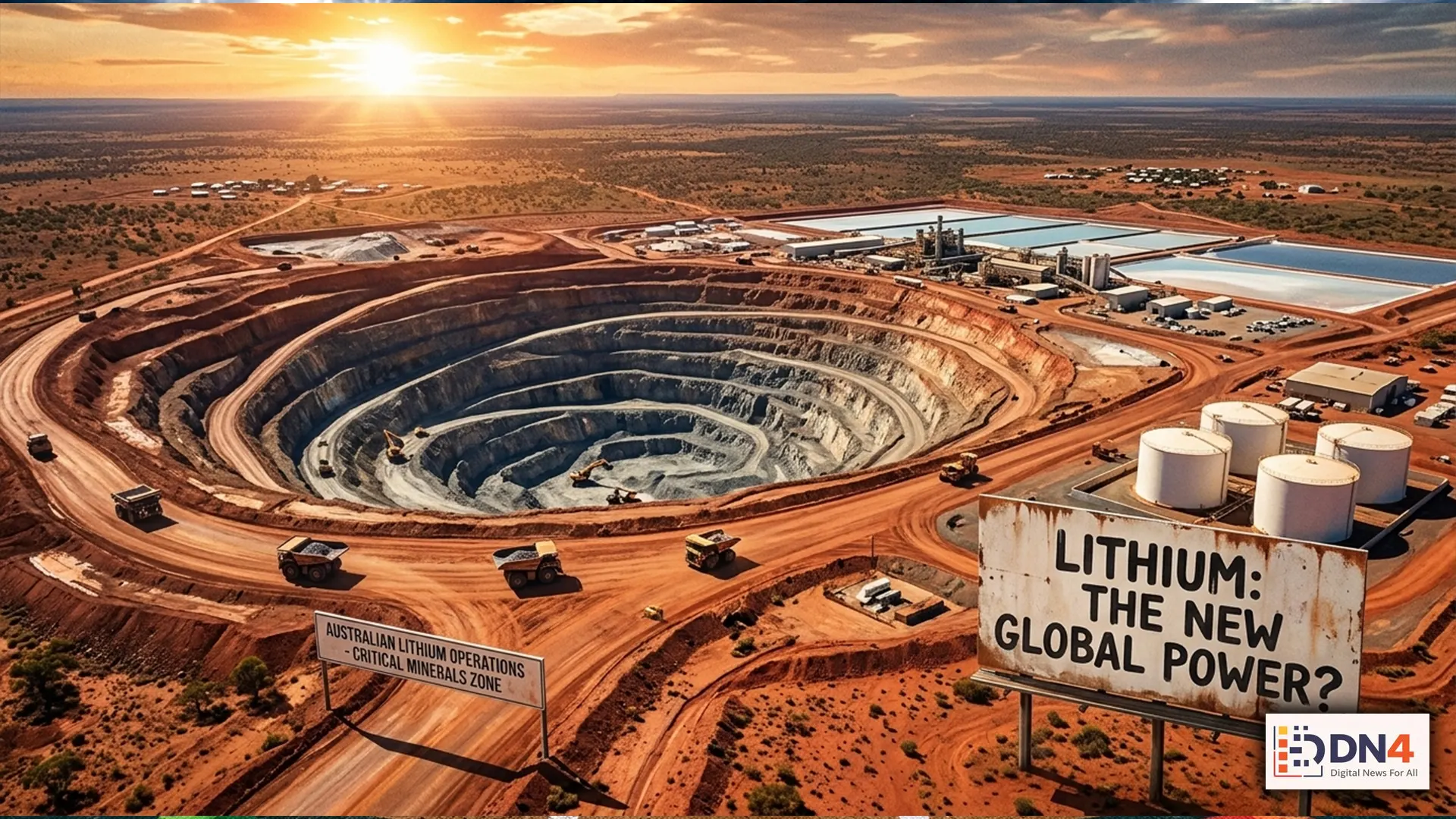
The global race for critical minerals is accelerating, and the United States is increasingly looking to Australia as its most reliable partner.
From lithium used in electric vehicle batteries to rare earth elements essential for advanced weapons systems, these resources are becoming the strategic backbone of the modern economy.
Officials from the U.S. Department of State and the U.S. Department of Defense have repeatedly emphasized that securing stable mineral supply chains is now a national security priority.
That urgency is fueling a new wave of investment between the United States and Australia—what analysts increasingly call a 21st-century mineral gold rush.
Why Critical Minerals Matter
Critical minerals are materials essential for modern technologies but vulnerable to supply disruptions.
These include elements like lithium, cobalt, nickel, and rare earth metals used in everything from smartphones to fighter jets.
According to the U.S. Department of Energy, demand for these minerals could increase dramatically as the world transitions toward electrification and renewable energy systems.
Electric vehicles, grid-scale batteries, and advanced electronics all depend on these materials.
The China Factor
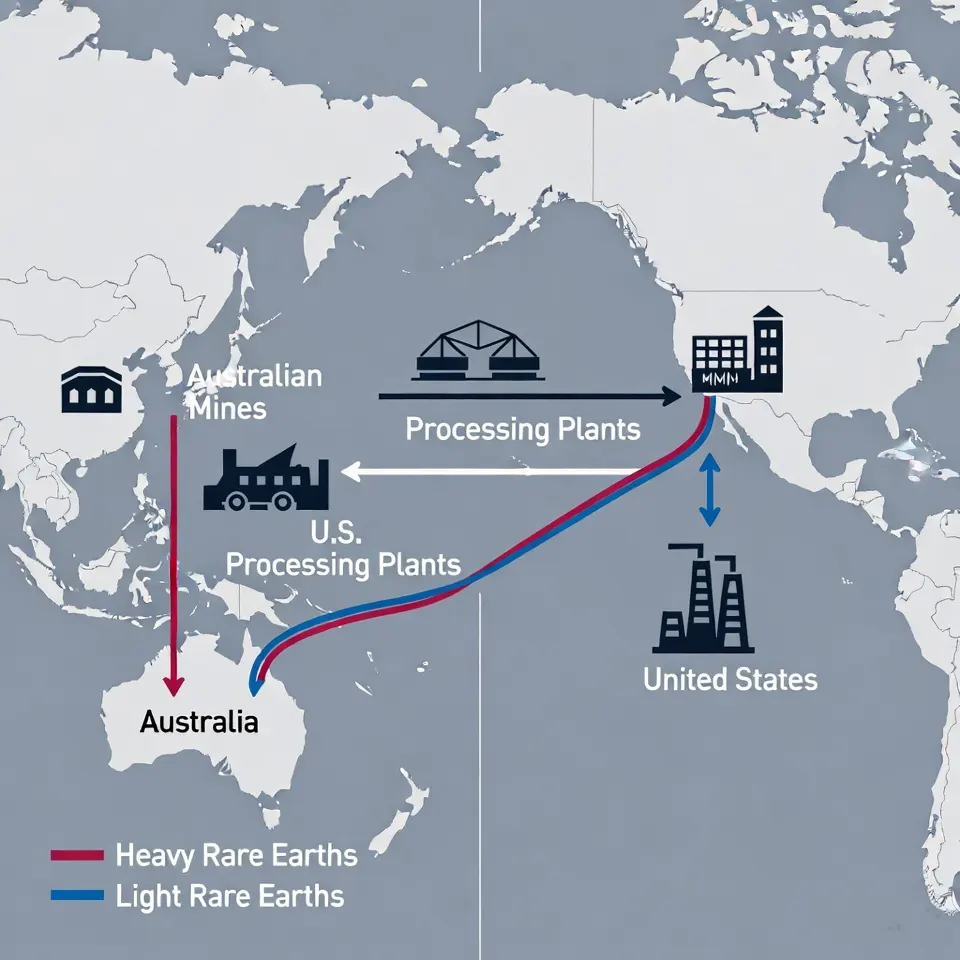
One of the biggest drivers behind the U.S.–Australia partnership is China’s dominance in the rare earth supply chain.
For decades, China has controlled a large portion of global rare earth mining and processing capacity.
Organizations like the International Energy Agency warn that this concentration creates strategic vulnerabilities for Western economies.
In response, Washington and its allies are accelerating efforts to diversify supply chains.
Australia’s Strategic Advantage
Australia is one of the world’s richest sources of critical minerals.
The country already ranks among the leading producers of lithium and other strategic materials.
Government agencies such as Geoscience Australia estimate the nation holds enormous untapped reserves of minerals crucial for future technologies.
This makes Australia a natural partner for the United States as it seeks to reduce reliance on geopolitical rivals.
The Tech Industry’s Growing Demand
Major technology companies rely heavily on these minerals for manufacturing semiconductors, batteries, and high-performance electronics.
As artificial intelligence, electric vehicles, and cloud computing expand, demand for rare earth elements continues to surge.
Companies across Silicon Valley are closely watching mineral supply chains because disruptions can ripple across entire industries.
Defense Implications
Critical minerals are not just about smartphones and electric cars—they are also vital for national defense.
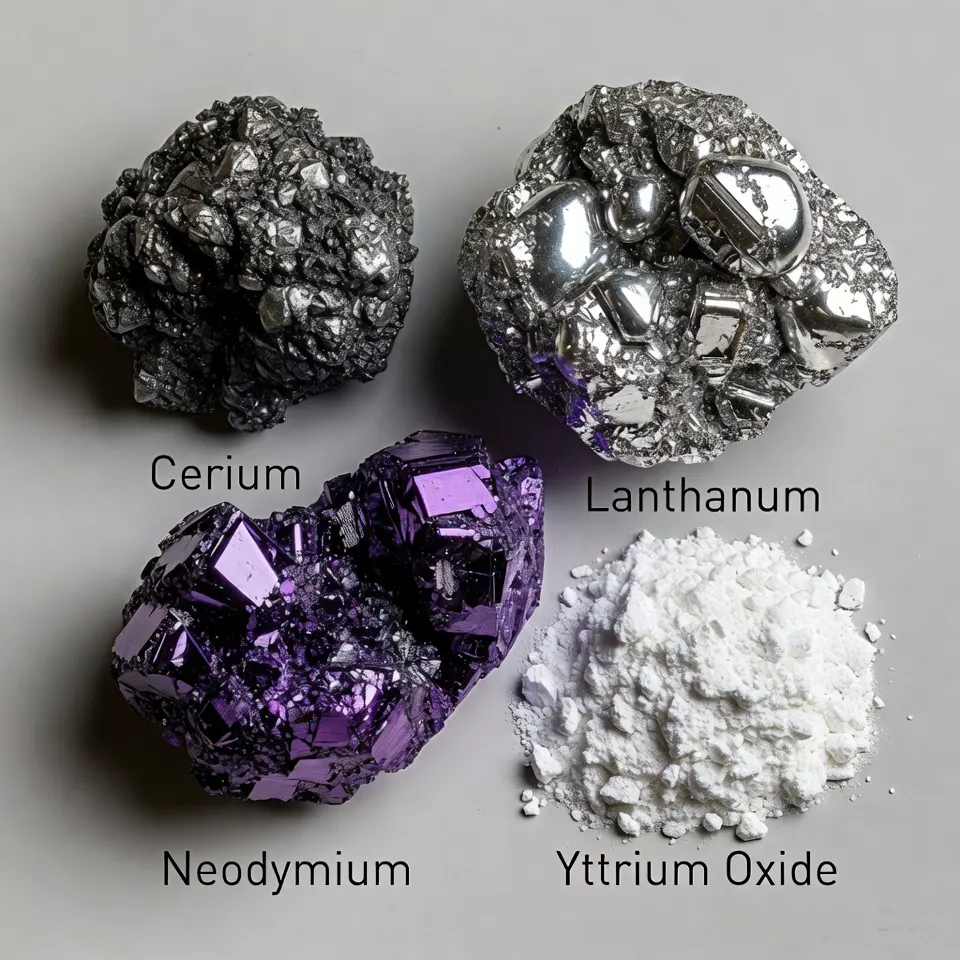
Advanced military systems such as missile guidance technology, radar equipment, and fighter aircraft require specialized rare earth components.
The U.S. Navy and other branches of the armed forces depend on secure mineral supplies to maintain technological superiority.
That reality has pushed mineral sourcing into the center of global geopolitical competition.
A Modern Gold Rush
The surge of government funding, private investment, and international cooperation around critical minerals has drawn comparisons to historical resource booms.
But unlike traditional gold rushes, this one is driven by advanced technology and geopolitical strategy.
New mining projects, refining facilities, and supply chain partnerships are being launched across Australia and North America.
For investors, governments, and tech companies alike, the stakes are enormous.
The emerging partnership between the United States and Australia represents more than economic cooperation—it reflects a fundamental shift in global strategy.
As the world moves deeper into the digital and electrified age, control over critical minerals may shape the balance of technological and military power.
And just like the gold rushes of the past, the nations that secure these resources first could gain a decisive advantage.
#CriticalMinerals #RareEarths #TechIndustry #DefenseIndustry #Geopolitics #Lithium #GlobalSupplyChain