

 By Vinod Ram
A massive new oil refinery project backed by India’s energy giant Reliance Industries and strongly supported by former President Donald Trump is stirring debate across global energy markets.
With a potential investment estimated at nearly $300 billion, the project could become one of the largest refinery developments in modern history. But the key question for American consumers remains simple: Will it actually lower gas prices?
A Mega Refinery With Global Implications
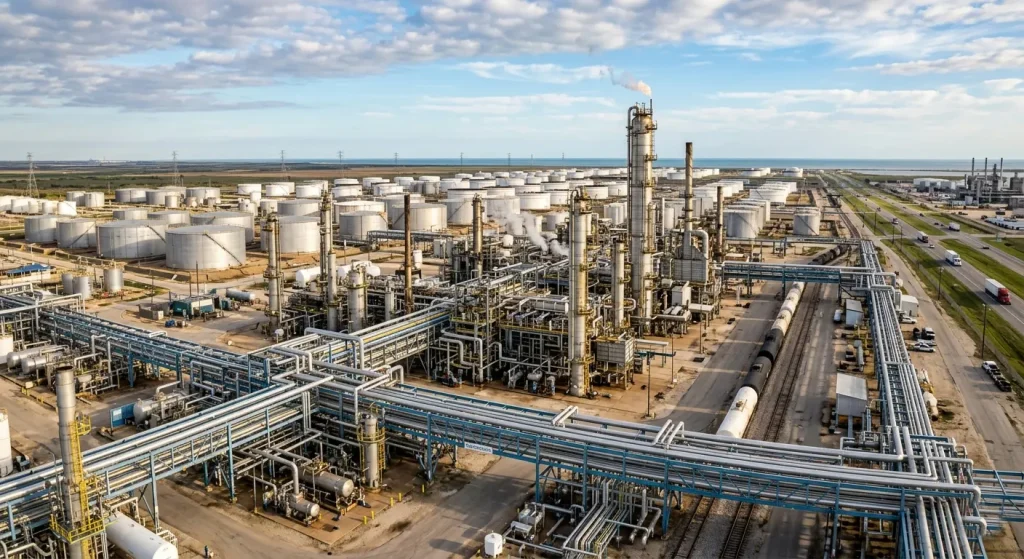
The proposed refinery is expected to significantly expand refining capacity in the United States, a country that already operates some of the world’s most advanced oil-processing infrastructure.
According to data from the U.S. Energy Information Administration, the U.S. currently has more refining capacity than any other nation. However, aging infrastructure and rising fuel demand have created bottlenecks that sometimes push gasoline prices higher.
The new facility aims to process millions of barrels of crude oil per day while integrating advanced technologies to improve efficiency and environmental performance.
Why Trump Is Supporting the Project
Donald Trump has repeatedly emphasized energy independence as a central pillar of U.S. economic policy.
By encouraging large-scale domestic refining projects, the goal is to reduce reliance on foreign refined fuel imports and strengthen America’s energy security.
Supporters argue the project could also create thousands of jobs while boosting domestic industrial investment.
The Reliance Connection
Reliance Industries already operates one of the world’s largest refinery complexes in Jamnagar, India.
The company’s experience in large-scale refining infrastructure makes it a logical partner in developing an ultra-modern facility capable of serving both domestic and export markets.
Industry analysts believe the partnership reflects growing cooperation between global energy giants and U.S. infrastructure investors.
How Refinery Capacity Affects Gas Prices
Many people assume oil prices alone determine what drivers pay at the pump. In reality, refinery capacity is just as important.
When refineries operate near maximum capacity, even small disruptions — such as hurricanes or maintenance shutdowns — can cause gasoline prices to surge.
Adding a large refinery could increase fuel supply and potentially stabilize prices during periods of high demand.
But Lower Gas Prices Aren’t Guaranteed
Energy economists caution that building a refinery does not automatically translate into cheaper fuel.
Gasoline prices depend on several factors:
- Global crude oil prices
- Transportation and logistics costs
- Refinery operating expenses
- Environmental regulations
- Regional supply and demand
Organizations like the International Energy Agency note that refining expansion can stabilize markets but rarely eliminates price volatility.
A Strategic Move in the Global Energy Race
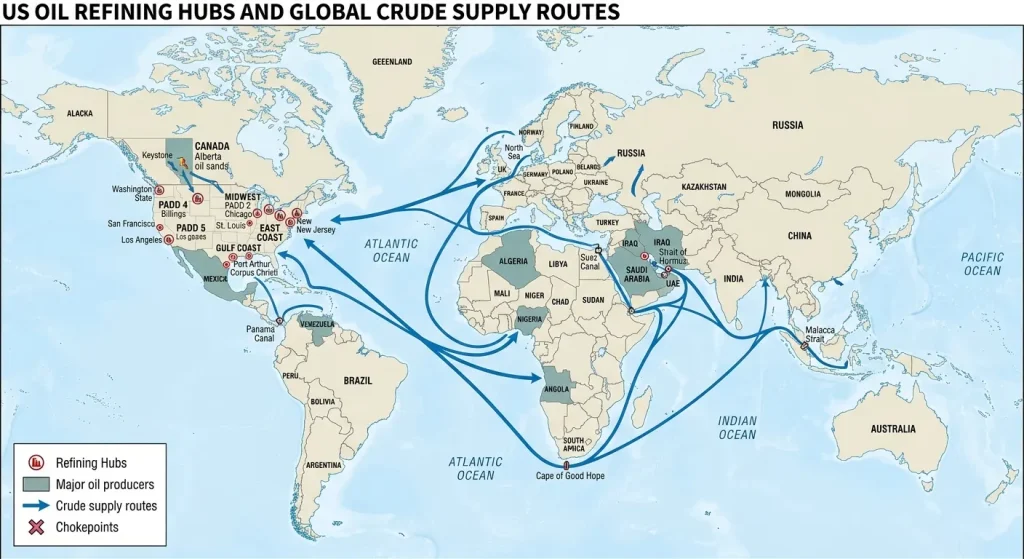
The proposed refinery is also being viewed through a geopolitical lens.
As global energy demand continues to rise — particularly in Asia — major economies are racing to secure reliable fuel supply chains.
Expanding refining capacity in the United States could position the country as a dominant exporter of refined petroleum products.
Environmental Questions Remain
Large fossil fuel projects inevitably attract scrutiny from environmental groups.
Organizations such as the U.S. Environmental Protection Agency will likely play a central role in evaluating the project’s environmental impact.
Developers say the refinery would incorporate carbon reduction technologies and improved efficiency systems to reduce emissions compared with older facilities.
For American Drivers
If completed, the Reliance-backed refinery could strengthen U.S. fuel supply and reduce the risk of regional shortages.
However, the impact on everyday gasoline prices may be gradual rather than immediate.
Energy markets remain deeply interconnected, meaning global oil trends will continue to influence what Americans pay at the pump.
Still, a $300 billion refinery investment signals something larger: the global energy transition may be underway, but oil infrastructure remains a powerful economic and geopolitical force.
#OilMarkets #USGasPrices #EnergyPolicy #OilRefinery #TrumpEnergyPlan #RelianceIndustries #GlobalEnergy