

 By Vinod Ram
For much of the past two years, the U.S. economy has defied easy labels. Now, economists are converging on a new one: “stagflation lite.”
In 2026, U.S. economic growth is rebounding toward 2.2%, while inflation remains stubbornly above comfort levels. It’s not the stagflation of the 1970s—but it’s also not a clean return to price stability.
What Is “Stagflation Lite”?
Classic stagflation refers to a toxic mix of low growth, high unemployment, and high inflation.
Today’s version is milder—but still uncomfortable. Growth is positive, jobs remain resilient, yet inflation refuses to fall quickly enough.
According to economic explainers from Investopedia, this hybrid scenario challenges traditional monetary policy tools.
Why Growth Is Rebounding to 2.2%
Several forces are supporting renewed economic momentum:
- Strong consumer spending, especially in services
- Public and private investment tied to infrastructure and reshoring
- A resilient labor market with steady wage gains
Data trends tracked by the Bureau of Economic Analysis suggest the economy has avoided recession without overheating.
Why Inflation Refuses to Go Away
Despite cooling from its peak, inflation remains “sticky” in key areas:
- Housing and rent costs
- Healthcare and insurance
- Services tied to labor intensity
These components are less sensitive to interest rates, according to analysis from the Bureau of Labor Statistics.
As a result, inflation may settle above the Federal Reserve’s 2% target for longer than markets once expected.
Why This Isn’t the 1970s All Over Again
While comparisons to the 1970s are tempting, today’s conditions differ sharply:
- Inflation expectations remain anchored
- The Fed has stronger credibility
- Global supply chains are more adaptive
Research from institutions like the Brookings Institution shows that modern economies absorb price shocks more efficiently.
What “Stagflation Lite” Means for Interest Rates
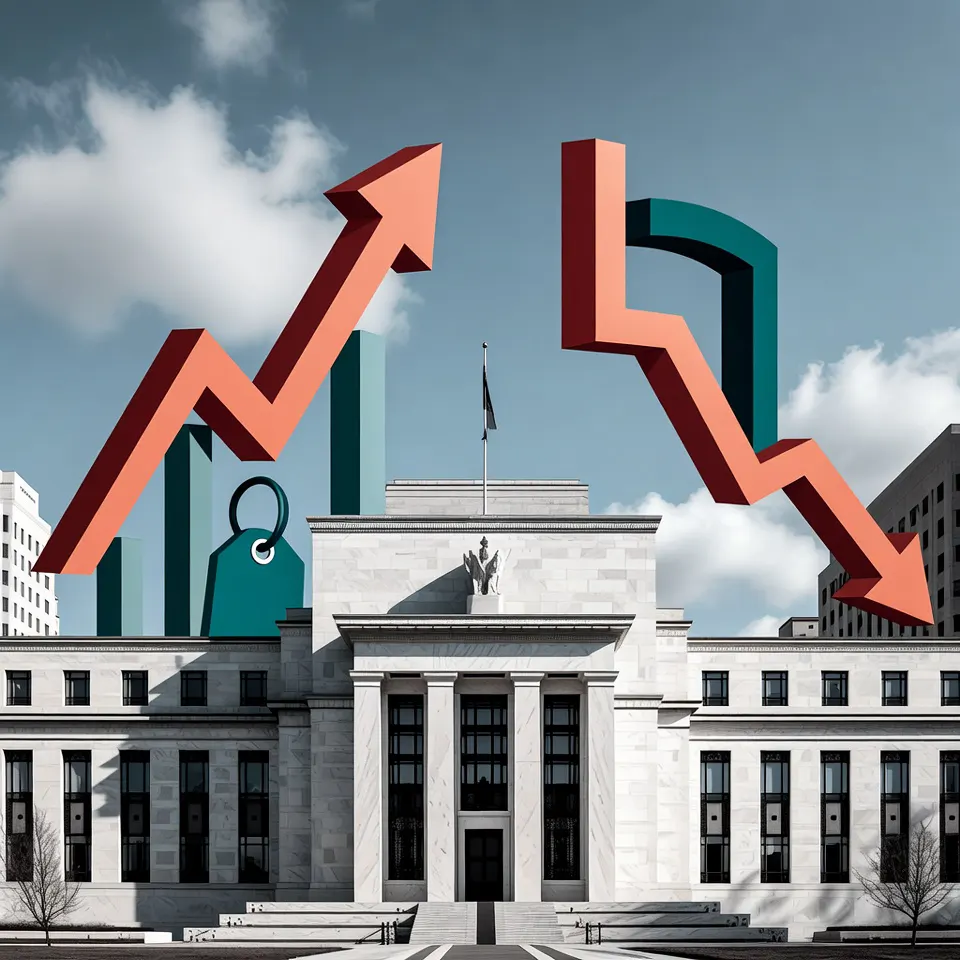
For policymakers, this environment complicates rate decisions.
Cut rates too early, and inflation could reaccelerate. Hold rates too high for too long, and growth could stall.
This balancing act explains why the Fed is signaling patience rather than rapid easing.
What It Means for Your Wallet
For households, “stagflation lite” has mixed implications:
- Job security remains relatively strong
- Wages may rise—but not enough to fully offset prices
- Borrowing costs stay elevated
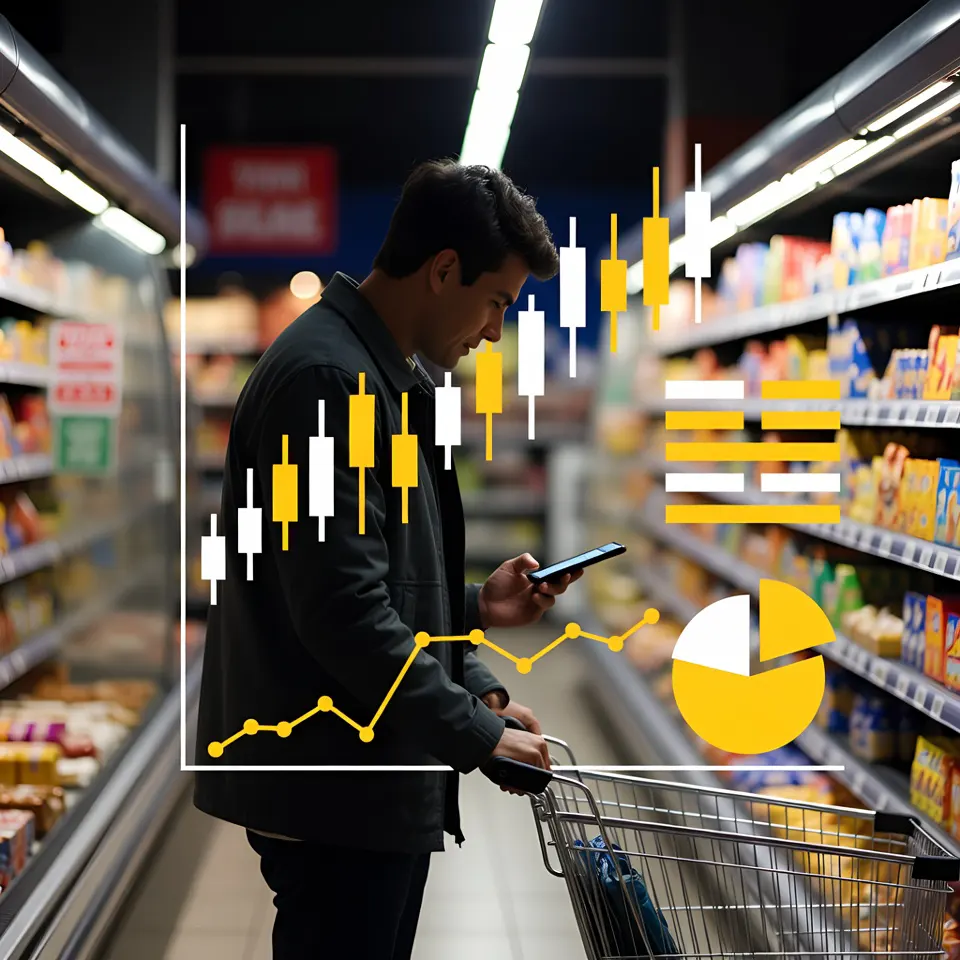
Everyday expenses—from groceries to insurance—may feel persistently expensive, even as headline growth improves.
Who Benefits and Who Feels the Squeeze
Winners tend to include:
- Workers with pricing power or in-demand skills
- Businesses able to pass costs to consumers
Those on fixed incomes or facing high housing costs may continue to feel pressure.
The “stagflation lite” forecast reflects an economy that’s healing—but unevenly.
Growth is back, recession fears have eased, yet inflation’s long tail keeps financial stress alive for many households.
For policymakers and consumers alike, 2026 may be less about crisis—and more about endurance.
#StagflationLite #USEconomy #InflationWatch #EconomicTrends #PersonalFinance #CostOfLiving