

 By Vinod Ram
The S&P 500 has surged to fresh all-time highs, capturing global attention and reigniting debates about where U.S. stocks go next. For investors, the key question is no longer why the index hit new records — but what it means for portfolio strategy heading into 2026.
This rally is being driven by a powerful mix of economic resilience, technology-led earnings growth, and renewed investor confidence. Yet history shows that record highs often bring both opportunity and risk.
Why the S&P 500 Is Hitting New All-Time Highs
1. Resilient U.S. Economic Growth
Despite lingering concerns about inflation and global uncertainty, the U.S. economy has continued to outperform expectations. Strong GDP growth data, steady consumer spending, and a resilient labor market have reinforced confidence in corporate earnings.
When economic growth remains intact, investors are more willing to pay higher valuations for stocks — especially companies with consistent revenue and profit expansion.
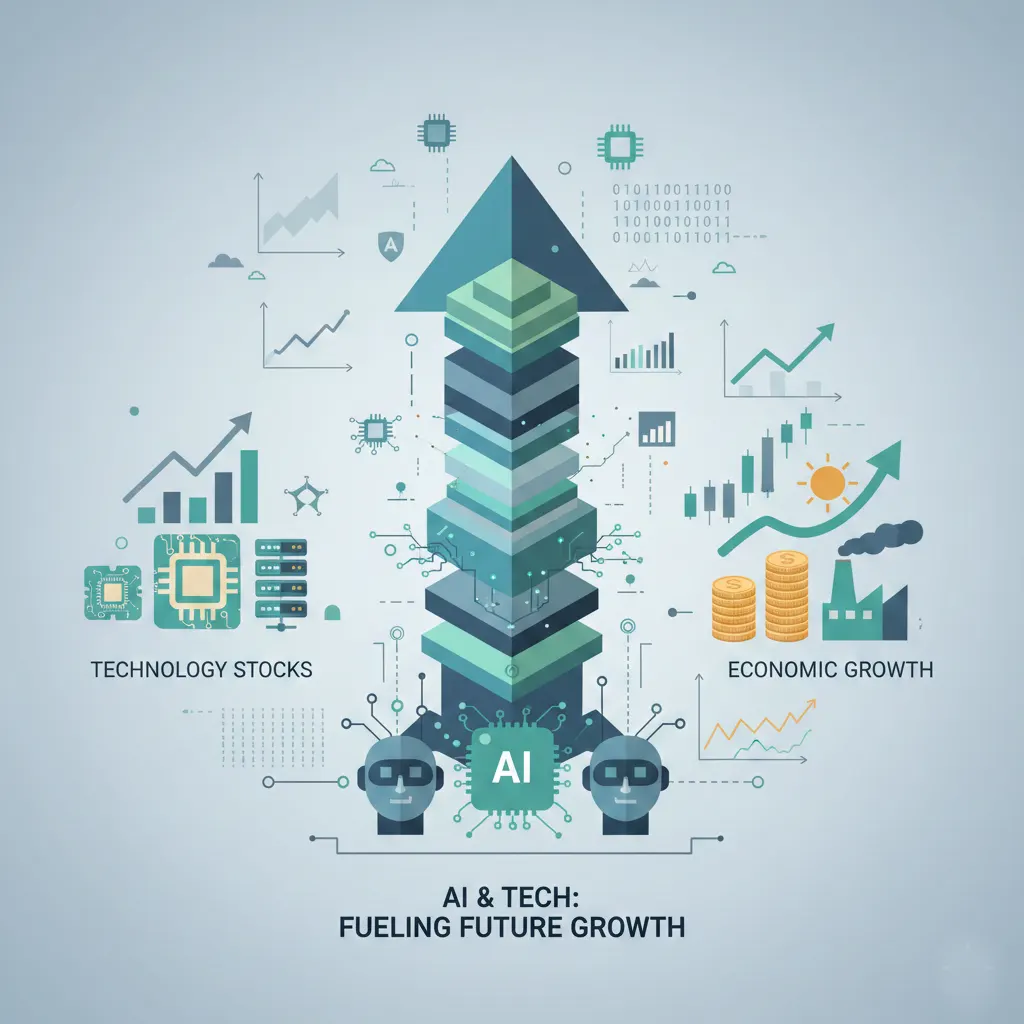
2. Technology and AI Stocks Are Leading the Rally
Mega-cap technology companies have once again become the backbone of the market’s momentum. Firms tied to artificial intelligence (AI), cloud computing, and advanced semiconductors have delivered strong earnings surprises, lifting the broader index.
According to Reuters market analysis, a small group of high-growth tech leaders has accounted for a disproportionate share of the S&P 500’s recent gains — a trend that investors should monitor closely.
3. Falling Inflation Expectations and Interest Rate Stability
Markets are forward-looking, and expectations around Federal Reserve policy have played a critical role in this rally. As inflation pressures eased, investors began pricing in the possibility of interest rate cuts or, at minimum, a prolonged pause.
Lower or stable interest rates typically support higher equity valuations by reducing borrowing costs and making stocks more attractive relative to bonds.
4. Seasonal Momentum and Investor Psychology
The rally has also benefited from positive market seasonality. Historically, the final weeks of the year often deliver a Santa Claus rally, driven by lighter trading volumes, portfolio rebalancing, and optimistic sentiment heading into the new year.
At the same time, low volatility readings — such as subdued levels in the VIX volatility index — suggest that investors are currently comfortable taking on risk.
What Record Highs Mean for Investors in 2026
1. Long-Term Optimism Remains Intact
Historically, new market highs have not signaled the end of bull markets. Data from S&P Dow Jones Indices shows that markets often continue rising after breaking records, especially when earnings growth remains positive.
For long-term investors, record highs alone are not a reason to exit the market.
2. Valuations Are Higher — Selectivity Matters
That said, valuations across parts of the market are elevated. The S&P 500 price-to-earnings ratio is above long-term averages, meaning investors should be more selective and avoid chasing overextended stocks.
Quality companies with strong balance sheets, durable cash flows, and pricing power are likely to outperform if volatility increases in 2026.
3. Concentration Risk Is a Growing Concern
A major risk heading into 2026 is concentration. A handful of mega-cap stocks now represent a significant portion of the index. As highlighted by MarketWatch, any pullback in these leaders could have an outsized impact on the broader market.
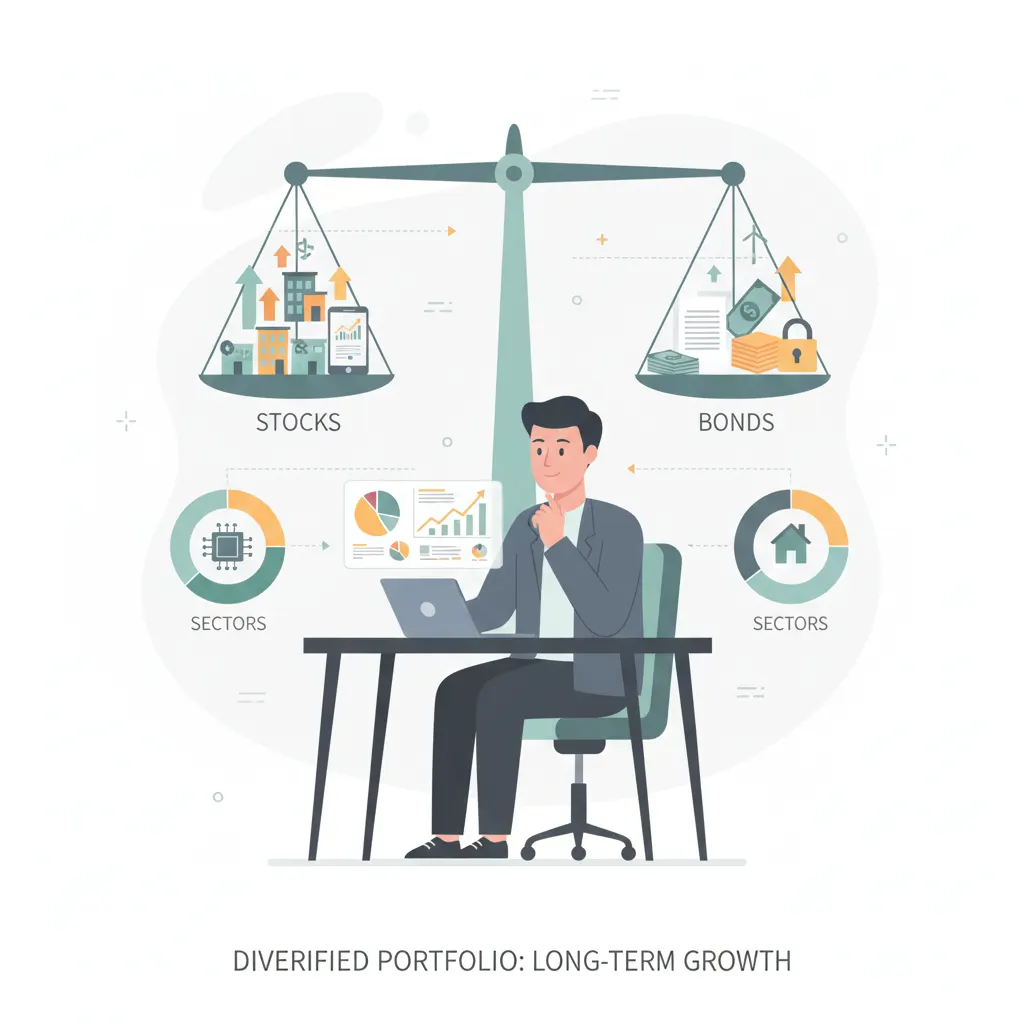
Diversification across sectors and market capitalizations will be increasingly important.
4. Expect Volatility — Even in a Bull Market
Corrections are a normal part of market cycles. Even during strong bull markets, the S&P 500 has historically experienced pullbacks of 5%–10%. Investors should prepare for periods of volatility rather than attempting to time the market.
According to Investopedia, disciplined investors who stay invested during corrections often outperform those who react emotionally.
Smart Investor Strategies for 2026
- Diversify across sectors: Balance exposure beyond technology into healthcare, industrials, financials, and energy.
- Focus on earnings quality: Prioritize companies with sustainable profit growth rather than speculative momentum.
- Rebalance portfolios: Trim oversized positions and realign with long-term goals.
- Maintain a long-term mindset: Market timing is difficult; consistency matters more than short-term predictions.
The S&P 500’s latest record highs reflect confidence in U.S. economic strength, corporate earnings, and technological innovation. While the outlook for 2026 remains broadly positive, higher valuations and market concentration increase the importance of discipline and diversification.
For investors, the message is clear: stay invested, stay diversified, and stay focused on long-term fundamentals.
#SP500 #StockMarket #Investing #MarketOutlook #WallStreet #FinanceNews #Investing2026 #USMarkets #WealthBuilding