


Introduction: The 4.6% Reality Check
A 4.6% squeeze may not sound dramatic at first glance, but in practical terms it represents shrinking purchasing power, slower wage growth, and higher job insecurity. Economists tracking inflation, interest rates, and employment trends across global economic outlooks warn that the next phase of the cycle will reward adaptability—not tenure.
For professionals, this means one thing: your career needs a recession strategy.
Why 2026 Will Be a Defining Year for Careers
According to projections from the World Economic Forum’s Future of Jobs reports, millions of roles will be reshaped or eliminated due to automation, AI, and cost-cutting.
At the same time, companies are prioritizing efficiency, flattening management layers, and reducing long-term hiring commitments. This creates a labor market where:
- Job security is weaker
- Skill relevance matters more than experience
- Adaptable workers outperform loyal ones
The professionals who thrive in 2026 will not be the most qualified on paper—but the most flexible in practice.

Step 1: Build Skills That Survive Downturns
Recession-proof careers are built on transferable, high-demand skills. Research from McKinsey workforce studies shows that workers with adaptable technical and analytical skills recover faster after layoffs.
Skills with strong 2026 resilience include:
- Data analysis and business intelligence
- AI tool proficiency (not engineering, but application)
- Cybersecurity fundamentals
- Revenue operations and performance marketing
- Project and change management
Learning platforms like Coursera and edX offer credential-backed programs that employers increasingly accept as substitutes for traditional degrees.
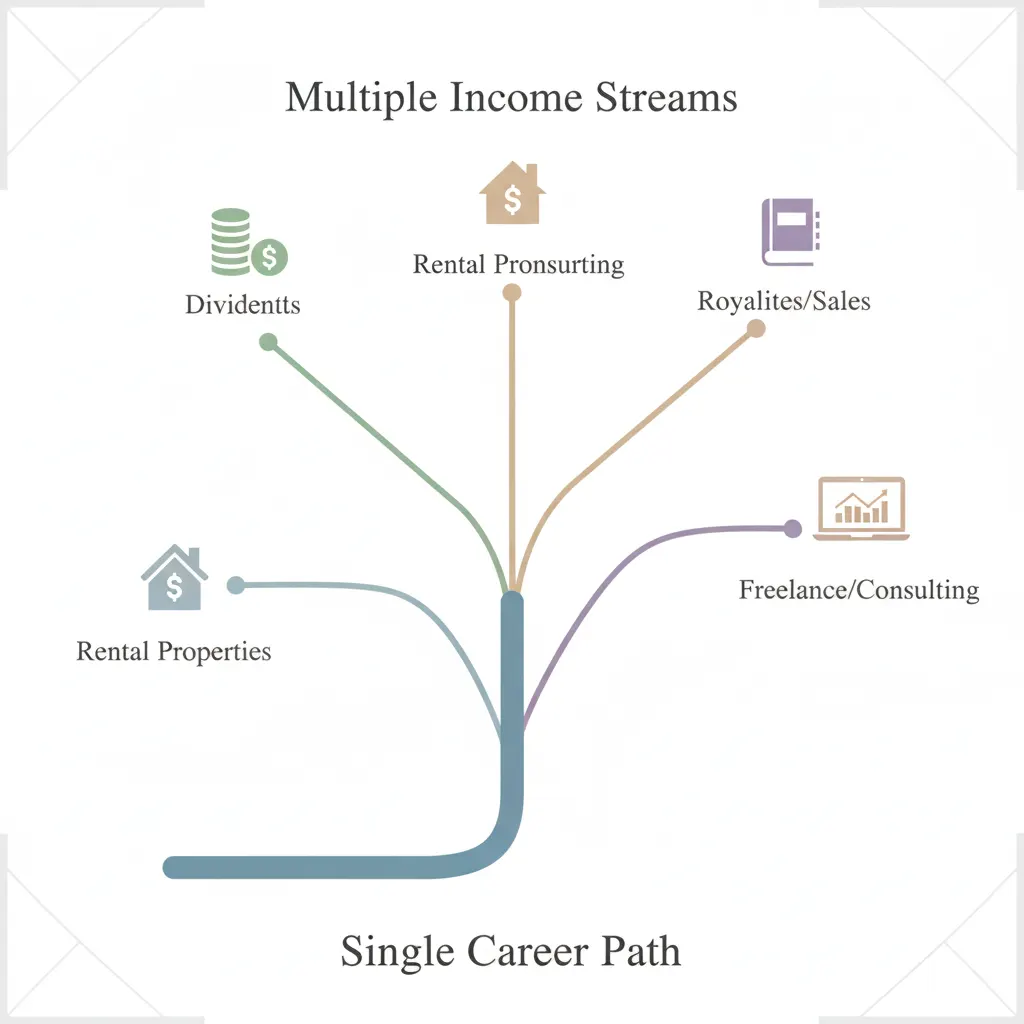
Step 2: Reduce Dependence on a Single Income Stream
One of the biggest risks in a recession is relying entirely on one employer. Financial planners frequently cited by Investopedia recommend developing secondary income sources before downturns begin.
This does not require quitting your job. Examples include:
- Freelance consulting in your core skill
- Advisory or contract-based roles
- Digital products or paid newsletters
- Teaching or mentoring online
Multiple income streams create optionality—the most valuable asset in uncertain economies.
Step 3: Position Yourself Close to Revenue
During recessions, companies protect roles that directly impact revenue. According to Harvard Business Review strategy analysis, functions tied to growth, retention, and cost efficiency are cut last.
Ask yourself:
- Does my role help generate revenue?
- Does it reduce costs or risk?
- Can I clearly explain my business impact?
If the answer is unclear, your role may be vulnerable.
Step 4: Treat AI as a Career Lever, Not a Threat
Artificial intelligence will not replace most professionals—but professionals who use AI will replace those who don’t. This insight is echoed across BCG AI workforce research.
Learning how to integrate AI tools into daily workflows can:
- Increase output without longer hours
- Make you indispensable to lean teams
- Future-proof your role against automation
AI fluency is rapidly becoming a baseline expectation—not a differentiator.
Step 5: Build a Career Safety Net Before You Need It
Career resilience isn’t just about skills—it’s about visibility. Networking data from LinkedIn’s Economic Graph shows that most job transitions happen through weak ties, not close contacts.
To strengthen your safety net:
- Maintain an active professional presence online
- Share insights, not just achievements
- Keep your CV and portfolio updated
- Stay visible even when employed
Waiting until a layoff to rebuild your network is too late.
The Mindset Shift That Matters Most
The most recession-proof professionals don’t chase stability—they build adaptability. As noted in multiple OECD labor market analyses, career paths are becoming nonlinear by default.
Think in terms of:
- Skill portfolios, not job titles
- Opportunities, not ladders
- Optionality, not security
Prepare Now, Not Later
The 4.6% squeeze is not just an economic statistic—it’s a signal. Professionals who act early will experience the next downturn as a transition, not a crisis.
Recession-proofing your career in 2026 isn’t about fear. It’s about leverage, foresight, and control.
Those who adapt won’t just survive the squeeze—they’ll emerge ahead.
#RecessionProof #CareerResilience #FutureOfWork #Upskilling #CareerGrowth #EconomicOutlook #JobSecurity #ProfessionalDevelopment #2026Careers