

 By Vinod Ram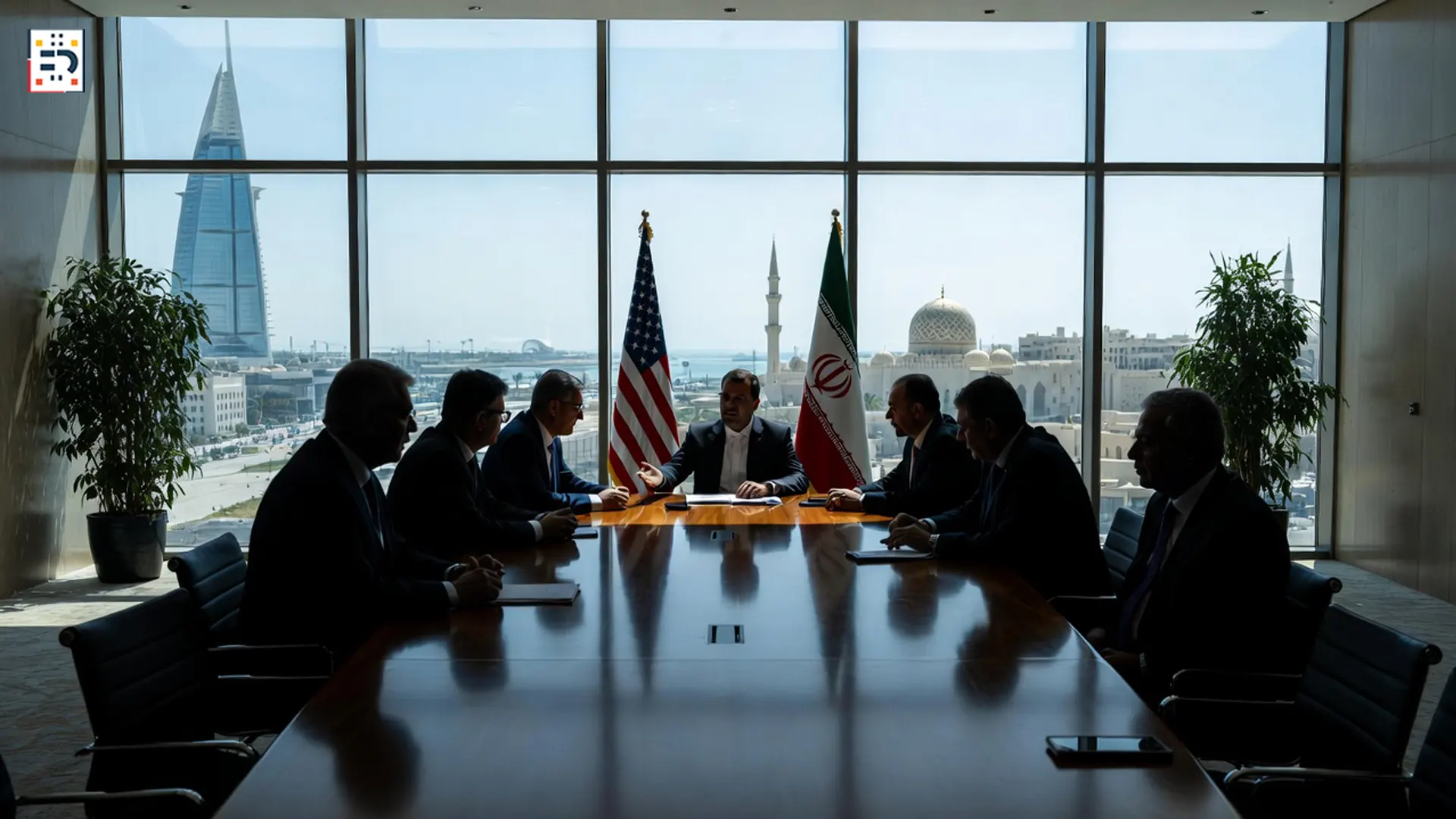
Muscat, Oman — With direct nuclear negotiations between the United States and Iran beginning today in Oman, the world is once again holding its breath. These are the most consequential talks in years, unfolding under the shadow of U.S. warships, regional instability, and President Donald Trump’s renewed “maximum pressure” doctrine.
The core question facing Washington is stark: Can diplomacy still prevent escalation, or are we counting down to a short, sharp conflict?
Why Oman Matters in Nuclear Diplomacy
Oman has long played the role of discreet mediator in Middle East diplomacy. It previously hosted the Joint Comprehensive Plan of Action (JCPOA) backchannel talks, making Muscat a trusted venue once again.
By choosing Oman, both sides signal a willingness to talk without appearing weak—an essential balance as domestic political pressures mount in both Washington and Tehran.
The U.S. Strategy: Maximum Pressure Returns
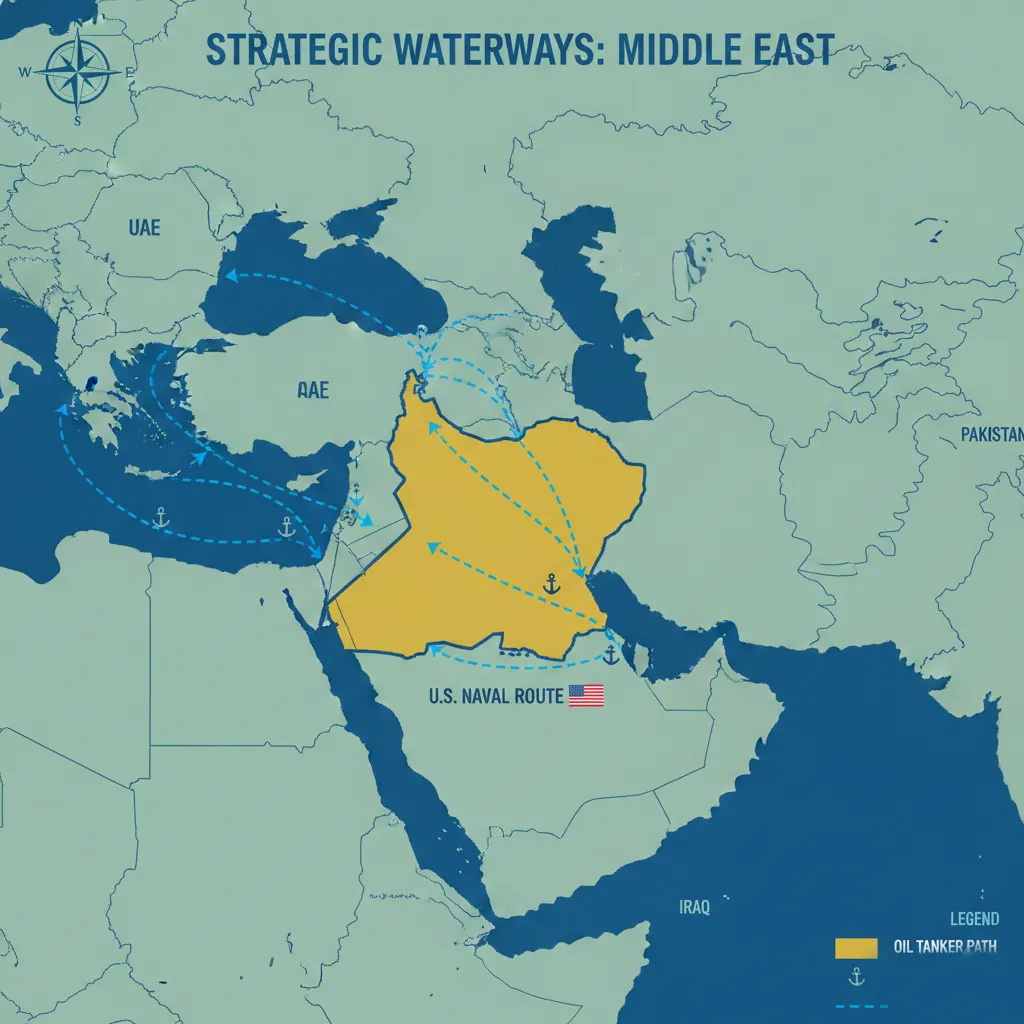
The Biden-era pause on escalation is over. President Trump has reinstated sweeping sanctions, boosted naval deployments in the Persian Gulf, and warned of “serious consequences” if talks fail.
According to analysts at the Council on Foreign Relations, the U.S. objective is not just nuclear compliance, but broader constraints on Iran’s regional influence.
- Expanded U.S. naval presence near the Strait of Hormuz
- Coordination with allies through NATO
- Economic isolation via secondary sanctions
Iran’s Calculus: Survival, Sanctions, and Sovereignty
Iran enters the Oman Summit under intense economic strain. Inflation, currency depreciation, and public dissatisfaction have increased pressure on Tehran to secure sanctions relief.
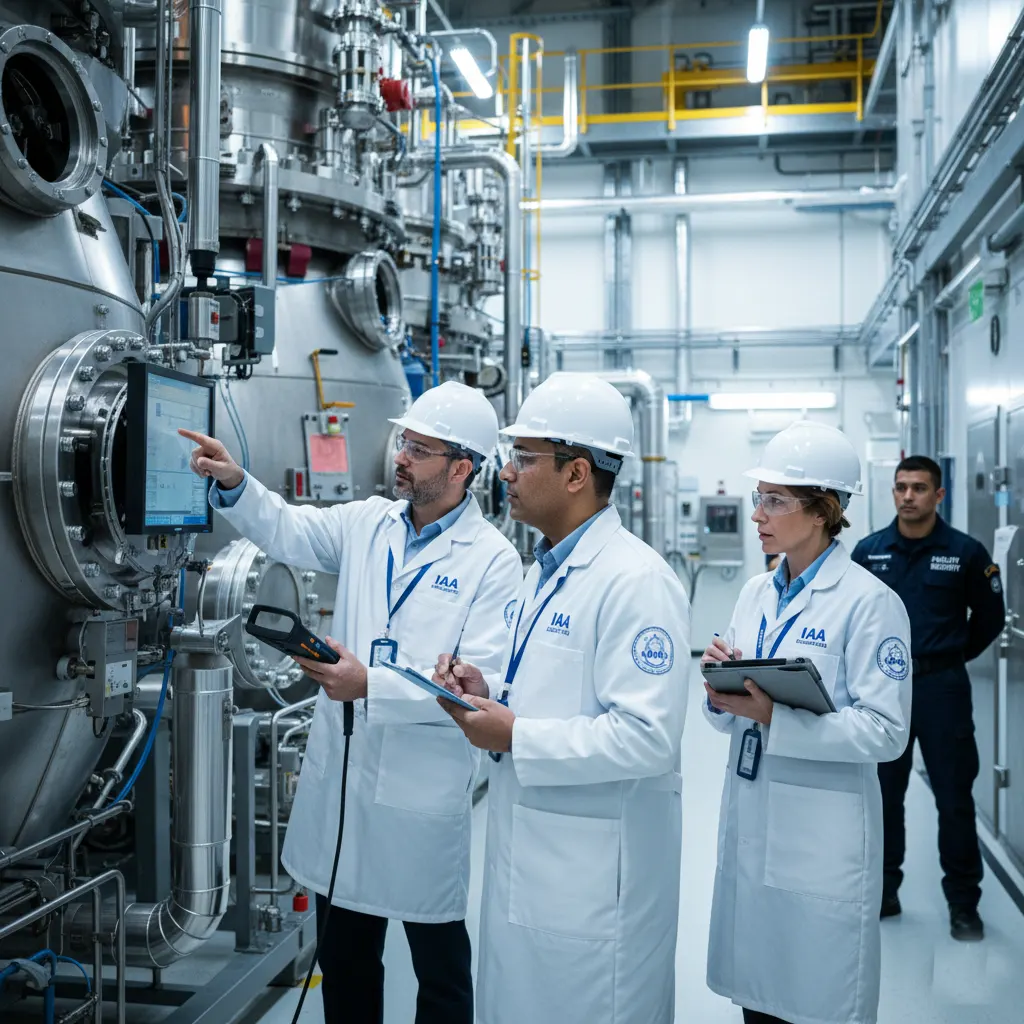
However, Iranian leaders insist their nuclear program remains peaceful, echoing assessments from the International Atomic Energy Agency (IAEA), while rejecting any deal that undermines sovereignty.
Peace in Our Time — or a 12-Day Countdown?
Military analysts warn that failure in Oman could trigger rapid escalation. A leaked Pentagon assessment cited by U.S. Department of Defense sources suggests any conflict would likely begin with targeted strikes and cyber operations.
For American readers, the stakes are immediate:
- Oil price volatility impacting inflation
- U.S. troop safety across the Middle East
- Global market instability
What This Means for U.S. Security
The Oman talks will shape U.S. national security policy for years. A diplomatic breakthrough could stabilize energy markets and reduce military risk. Failure, however, could push the region toward confrontation within weeks—not months.
As history shows, moments like this rarely offer second chances.
The Oman Summit is more than another diplomatic meeting—it is a test of whether dialogue can still outpace destruction in a nuclear age. For now, the world waits.
#OmanSummit #IranNuclearTalks #USIranRelations #MiddleEastPolitics #GlobalSecurity #NuclearDiplomacy