

 By Vinod Ram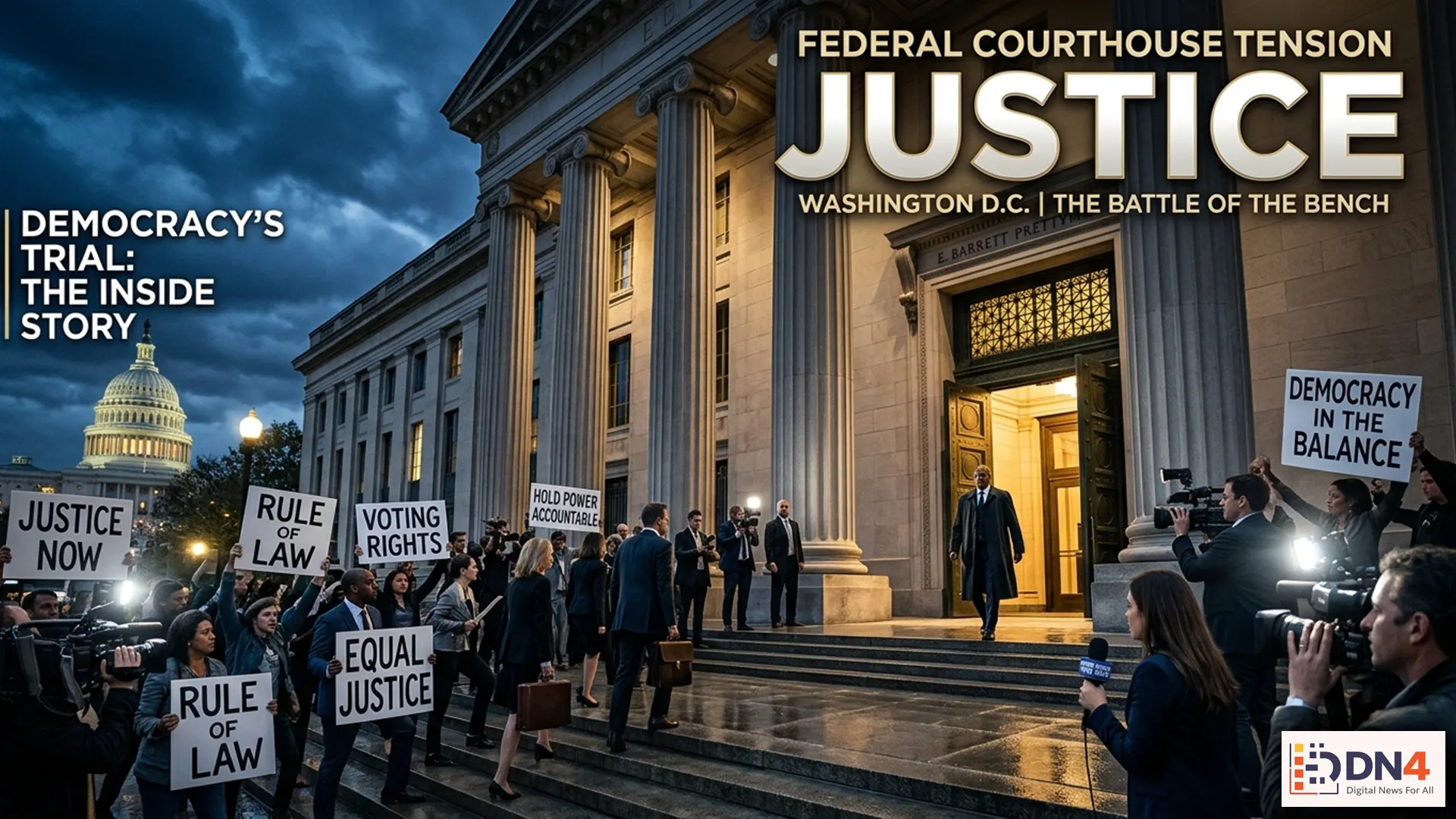
Few appointments in Washington carry the same mixture of legal significance and political symbolism as the role of U.S. Attorney for the District of Columbia. It is not just another federal prosecutor’s office. It is one of the most visible, politically sensitive, and institutionally powerful legal posts in the country.
That is exactly why the idea of Jeanine Pirro completing her first year in the role would represent far more than a personnel update. It would mark a meaningful test of how law, media identity, prosecutorial discretion, and political perception now collide in one of America’s most scrutinized jurisdictions.
If Pirro were to shape the office in her own image, the consequences would likely ripple far beyond Washington. They would influence how the public interprets justice, accountability, and the increasingly blurred line between legal authority and political theater.
Why the D.C. U.S. Attorney Role Matters So Much
The U.S. Attorney’s Office for the District of Columbia is unique in the American legal system. Unlike many federal districts, this office often sits at the crossroads of local crime enforcement, federal prosecution, national security sensitivity, public corruption cases, and politically charged investigations.
That means the person leading it does not simply manage courtroom operations. They shape public trust in legal neutrality during moments when the country is already deeply polarized.
In practical terms, the office’s influence can extend across:
- High-profile federal prosecutions
- Public corruption and political misconduct investigations
- Violent crime and local criminal justice strategy in D.C.
- Nationally symbolic legal messaging
- Relations with the Department of Justice
That makes any shift in leadership especially consequential.
Why Jeanine Pirro Would Be Such a Different Kind of Legal Figure
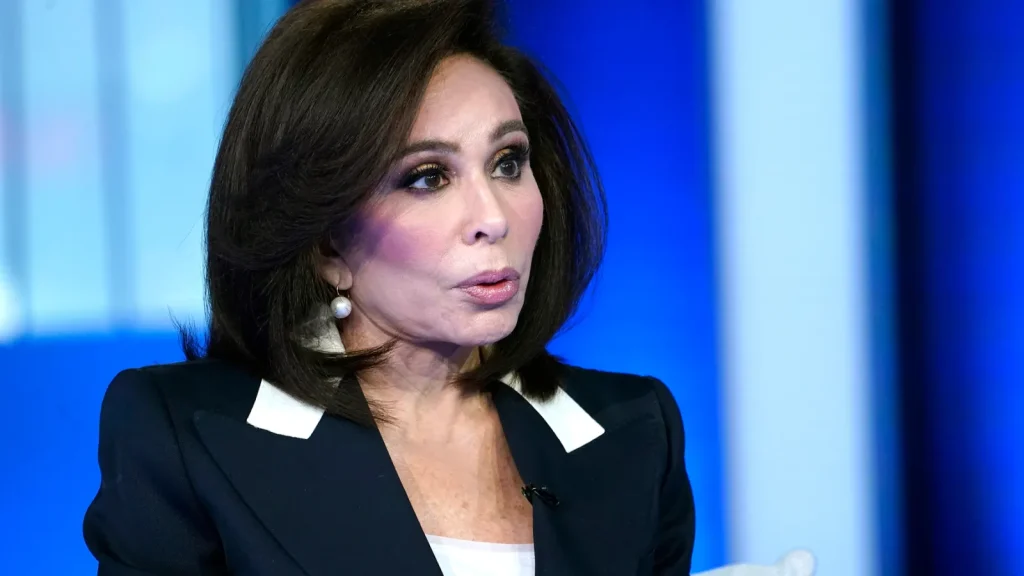
Pirro has long occupied a rare space in American public life: part legal professional, part media personality, part political brand. That combination would make her unlike a conventional behind-the-scenes prosecutor.
Supporters would likely argue that this kind of high-visibility leadership could project confidence, clarity, and a tougher public-facing posture on crime and accountability. Critics, however, would immediately question whether such a media-defined figure could maintain the appearance — and reality — of prosecutorial independence.
That tension would define much of the first-year conversation.
The Biggest Question: Would the Office Become More Aggressive, More Political, or Both?
Any analysis of Pirro’s hypothetical first year would center on prosecutorial priorities.
Would the office become more visibly aggressive on crime?, Would it pursue symbolic public integrity cases more forcefully? Would it emphasize deterrence, media visibility, and institutional toughness over quiet procedural continuity?
Those are not small differences. They would influence both case selection and public perception.
A Pirro-led office might be expected to lean more heavily into:
- High-visibility legal messaging
- Public confidence through forceful rhetoric
- Sharper prosecutorial identity around order and accountability
- Cases that carry broader national narrative weight
That could energize some constituencies while deeply alarming others.
Why Public Perception Would Matter Almost as Much as Case Outcomes
One of the hardest realities of modern American justice is that public trust is now shaped not only by rulings and filings, but by optics, framing, and political assumptions.
That is especially true in Washington.
If Pirro’s first year became defined by media attention, critics would likely argue that the office risked becoming more performative than institutional. Supporters, on the other hand, might see that same visibility as long-overdue transparency and strength.
This is what makes the role so delicate: even legally sound decisions can become politically radioactive depending on who is making them and how they are presented.
The Broader Political Impact
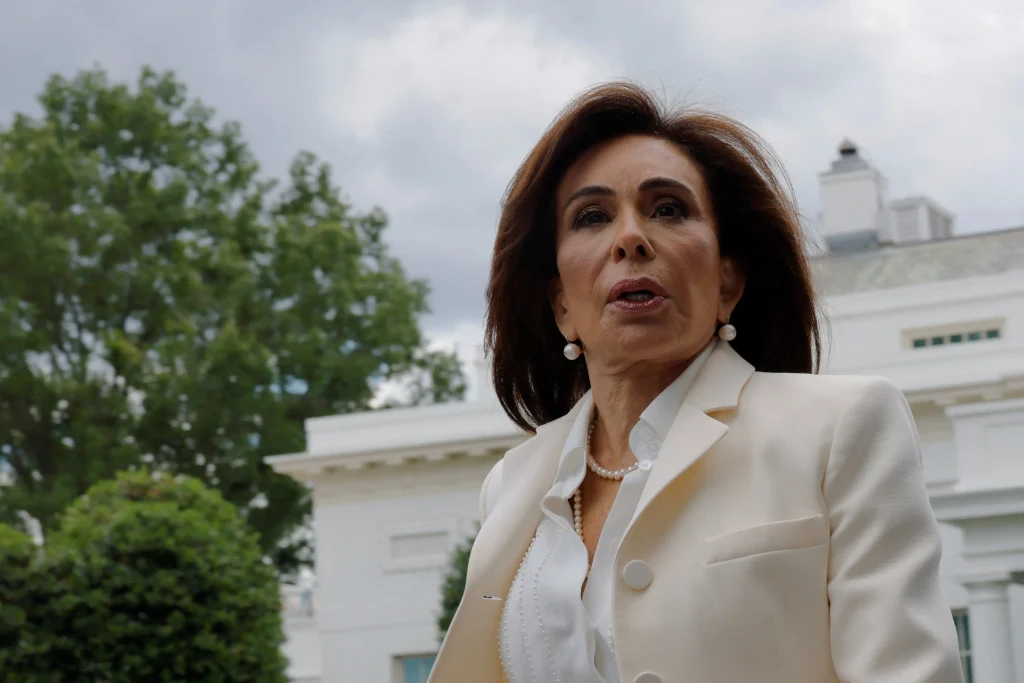
Beyond courtroom outcomes, Pirro’s first year would almost certainly become a symbolic proxy fight over larger American questions:
- Should prosecutors project neutrality or moral clarity?
- Can media figures successfully transition into legal leadership without credibility erosion?
- How much should prosecutorial offices engage public opinion directly?
- What does “law and order” mean in an era of political distrust?
That is why this would never be just a local legal story. It would be a national governance story.
If Jeanine Pirro were to complete her first year as U.S. Attorney for D.C., the biggest story would not simply be which cases moved forward or which headlines dominated cable news.
It would be whether one of America’s most politically sensitive legal offices could remain institutionally credible while being led by one of the country’s most publicly polarizing legal personalities.
Because in Washington, power is never just about what gets prosecuted — it is also about who the public believes justice is really serving.
#JeaninePirro #USAttorney #WashingtonDC #LegalNews #DOJ #PoliticsNews #FederalLaw #JusticeSystem #PoliticalAnalysis