

 By Vinod Ram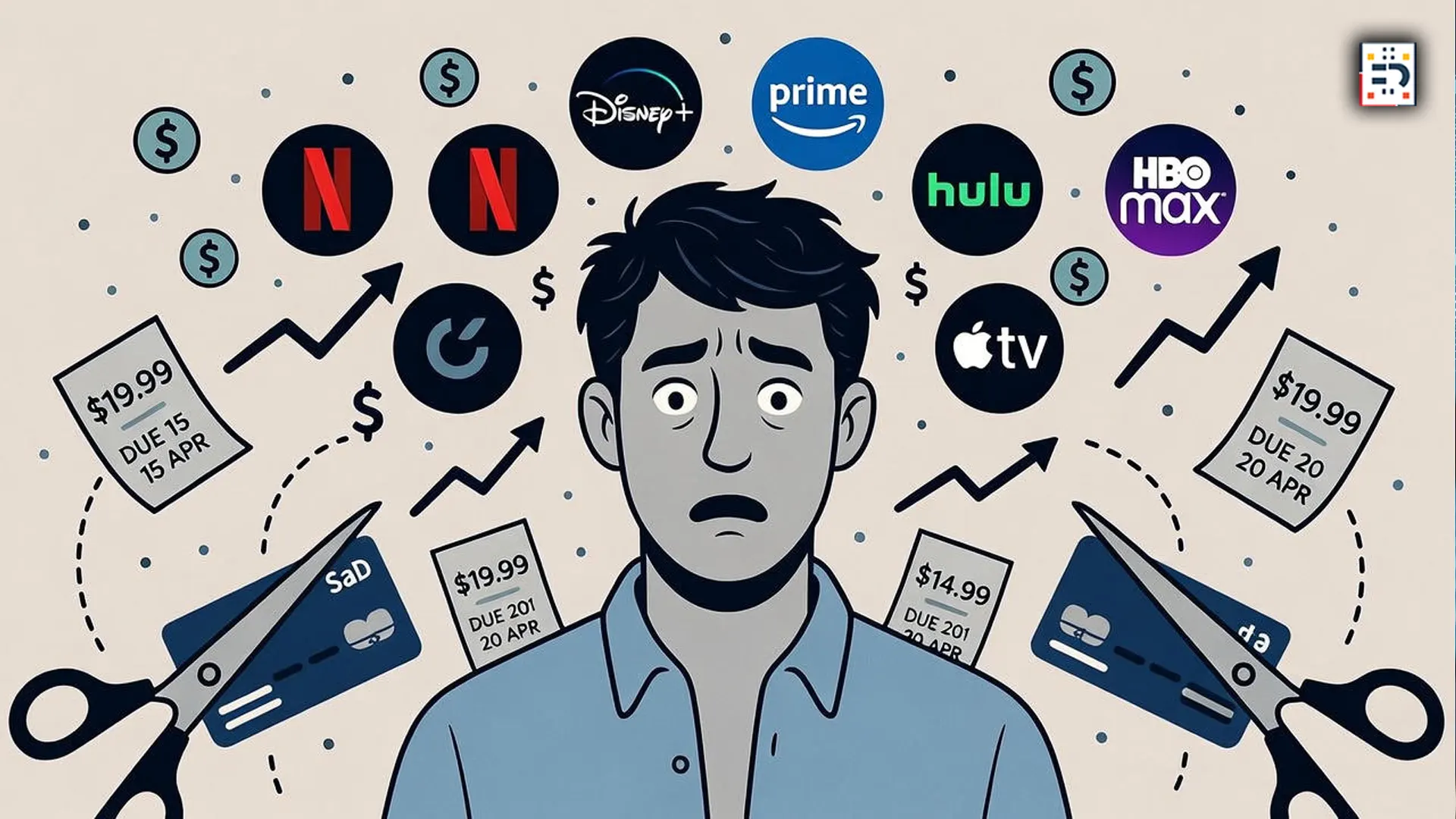
December 2025 marked a breaking point for American consumers. Millions began canceling streaming services, apps, and digital memberships at once. Analysts now call it the Great Subscription Purge.
Rising prices, economic pressure, and subscription fatigue collided. As a result, households started asking a simple question: what are we actually paying for?
Subscription Fatigue Finally Hit
For years, subscriptions felt convenient. One low monthly fee seemed harmless. Over time, those fees stacked up.
According to consumer research cited by McKinsey, the average U.S. household now manages more than a dozen recurring subscriptions.
Eventually, convenience turned into clutter. December became the moment people finally cut back.
Why December 2025 Was the Tipping Point
Several forces converged at once. Inflation remained stubborn. Interest rates stayed high. Holiday spending stretched budgets thin.
At the same time, many subscription services raised prices again. Streaming platforms like Netflix
and Disney+ faced growing backlash over shrinking value.
Faced with higher bills and fewer must-watch shows, consumers responded by canceling.
The Psychology Behind Mass Cancellations
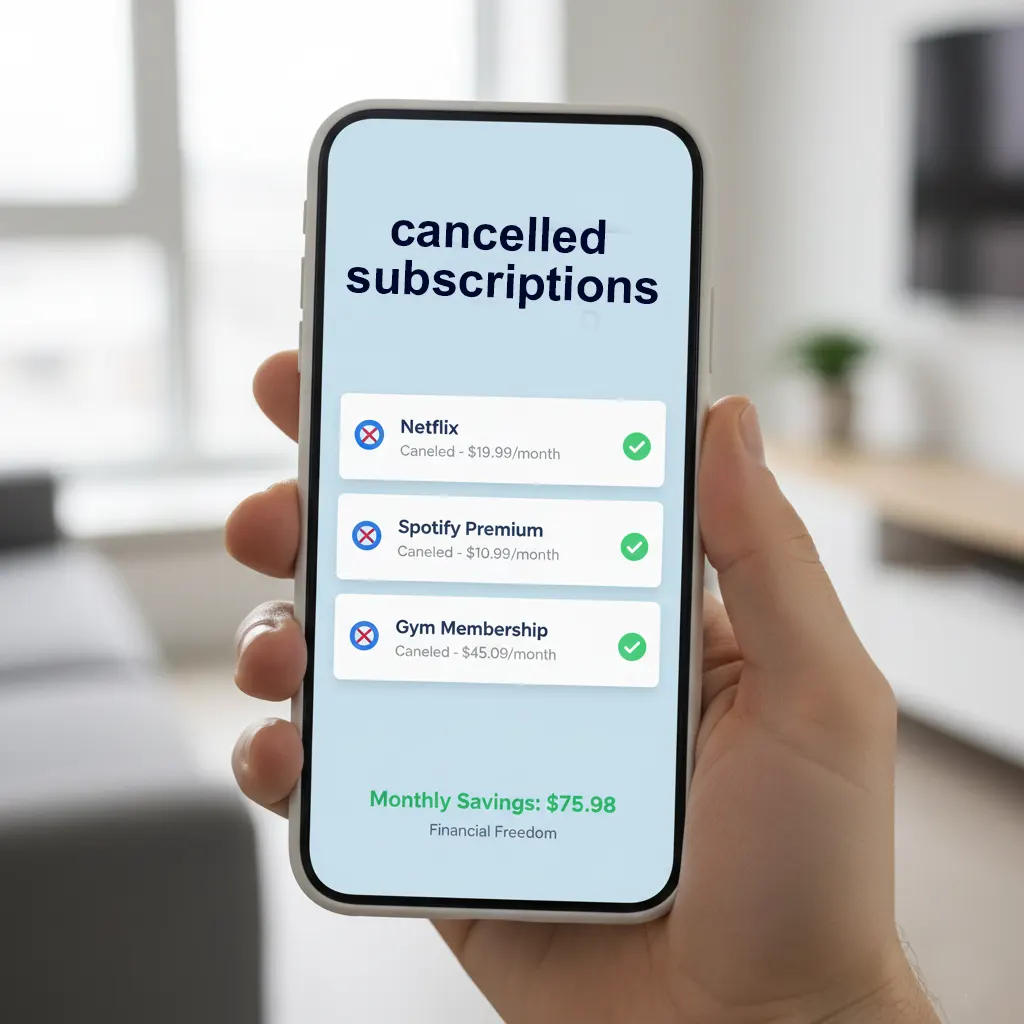
Canceling subscriptions creates instant relief. It feels like taking back control.
Behavioral economists note that recurring charges often fade into the background. However, once people review them, frustration grows quickly.
According to insights from consumer psychology research, visible savings create a sense of progress, even if the dollar amount is small.
Which Subscriptions Were Cut First
Streaming services topped the cancellation list. Music, video, and niche platforms all saw churn rise.
Fitness apps, premium news subscriptions, and software tools followed. Many users realized they had not logged in for months.
Even once-essential services like Spotify and meal kits faced tougher scrutiny.
How Companies Are Responding
Subscription-based companies felt the shock immediately. Churn rates spiked across multiple sectors.
In response, many platforms introduced discounted bundles, annual plans, and pause options. Others leaned into ad-supported tiers.
Industry analysts at Deloitte warn that the subscription economy must now prove real value to survive.

What This Means for the Subscription Economy
The purge does not mean subscriptions are dead. However, the easy-growth era is over.
Consumers now demand flexibility, transparency, and value. Companies that fail to adapt risk permanent losses.
Future success will depend on fewer subscriptions, stronger loyalty, and clearer benefits.
The Great Subscription Purge was not impulsive. It was overdue.
In December 2025, Americans sent a clear message. Convenience alone is no longer enough. Subscriptions must earn their place every month.
#SubscriptionFatigue #StreamingWars #PersonalFinance #ConsumerTrends #CostOfLiving #SubscriptionEconomy #MoneyHabits