

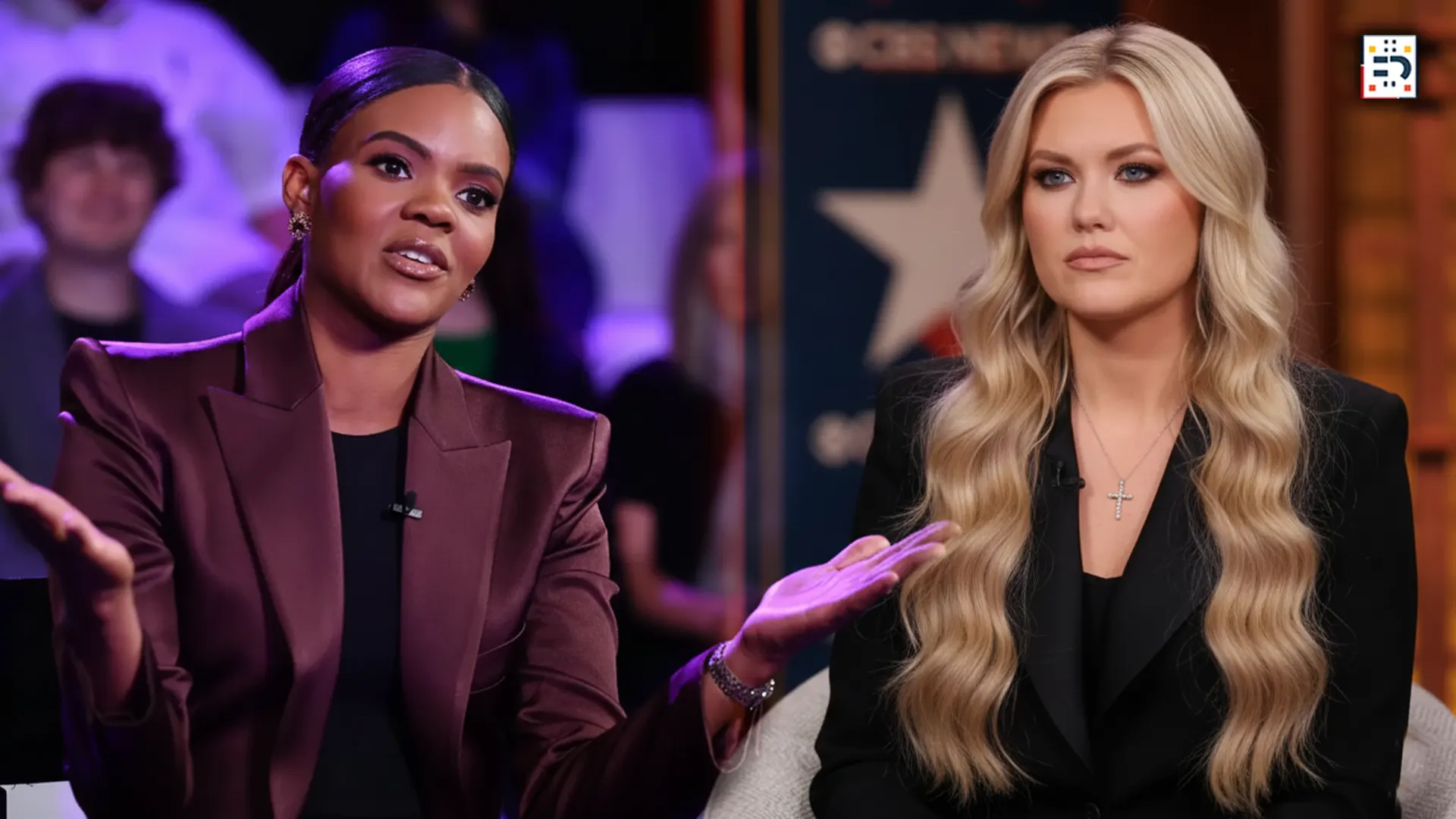
A public clash between conservative commentator Candace Owens and online personality Erika Kirk has sparked intense debate across social media, pulling politics, identity, and influencer culture into the spotlight.
What began as a disagreement over ideology and messaging quickly escalated into a broader cultural moment — one that reflects how modern political discourse now plays out in public, personal, and highly performative ways online. Coverage of influencer-driven political conflict has become increasingly common, as noted by Vox’s analysis of online political culture.
Here’s what’s actually happening, why it matters, and why so many Americans are paying attention.
Who Are the Key Figures?
Candace Owens
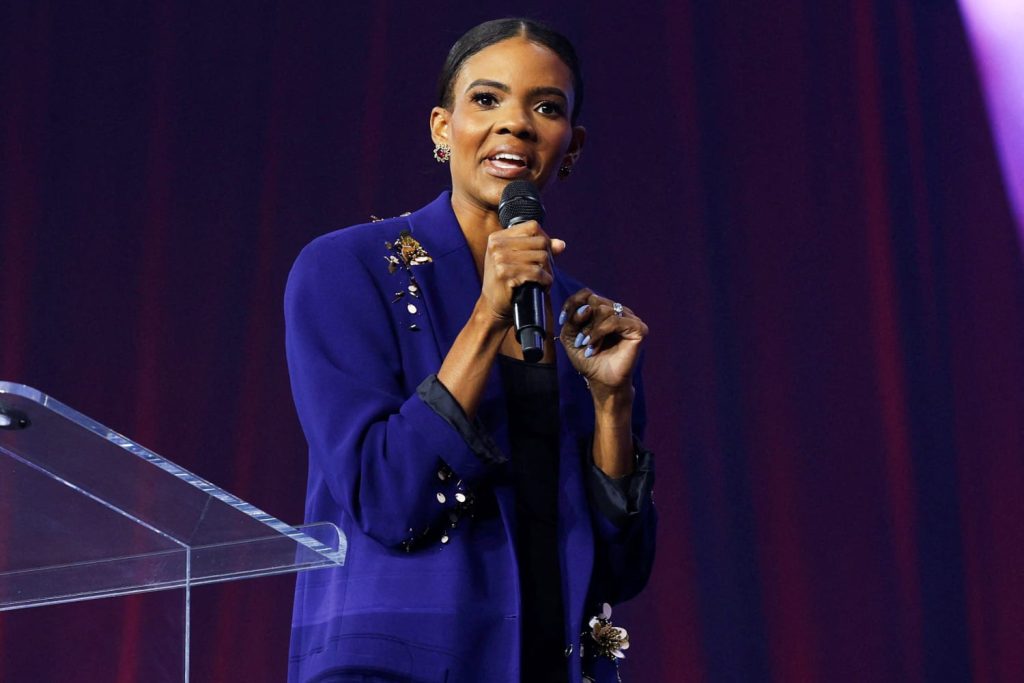
Candace Owens is a nationally known conservative political commentator, author, and media personality affiliated with right-wing media ecosystems. She rose to prominence through viral commentary and has since become a regular subject of coverage by outlets such as The New York Times and The Washington Post.
Owens’ influence extends beyond politics into digital culture, where her statements often generate widespread debate and reaction content across platforms like YouTube and X.
Erika Kirk
Erika Kirk is an online commentator and activist whose content focuses on political accountability, media criticism, and ideological inconsistency within conservative spaces. Her rise reflects a broader trend identified by Pew Research Center: younger audiences engaging with politics through creators rather than traditional institutions.
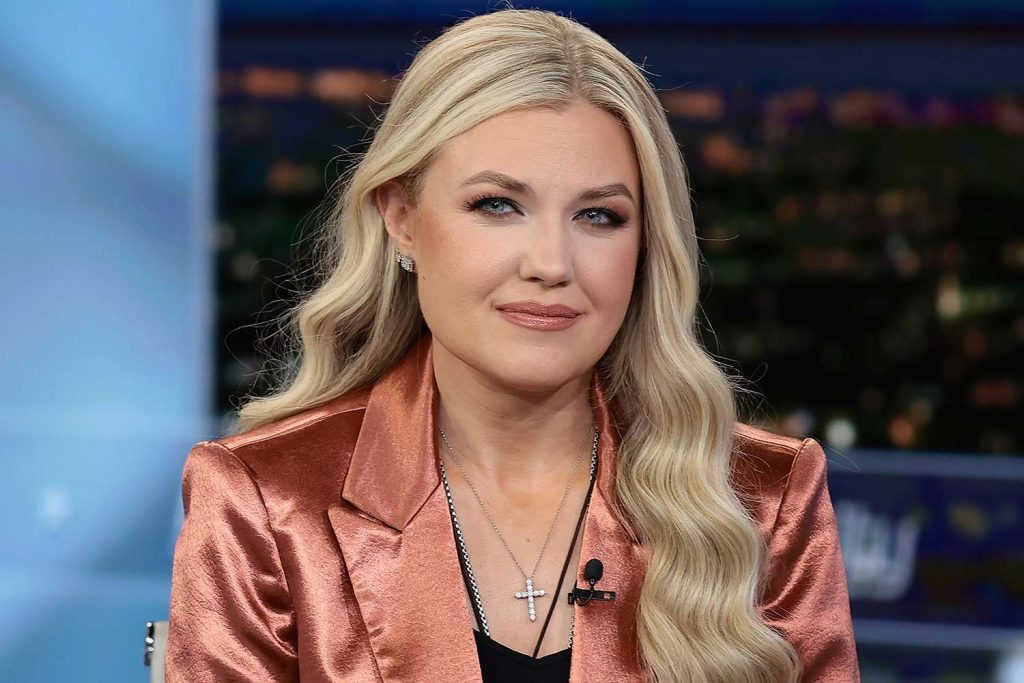
Kirk has gained traction by directly challenging high-profile figures, positioning herself within the growing ecosystem of independent political commentators.
How the Feud Started
The conflict began after Erika Kirk publicly criticized Candace Owens’ political positions and rhetoric, accusing Owens of misrepresenting issues related to identity, influence, and power within conservative media.
Owens responded — directly and indirectly — dismissing Kirk’s critiques and questioning her credibility. This exchange escalated the dispute and drew both fanbases into the conversation, a pattern common in what The Atlantic describes as “conflict-driven digital discourse.”
What might once have been a niche ideological disagreement quickly became a viral back-and-forth, amplified by reposts, reaction videos, and commentary threads.
Why the Feud Escalated
Several factors fueled the escalation:
- Platform asymmetry: Owens’ massive audience versus Kirk’s rapidly growing platform
- Personalized politics: Criticism framed around character and motive, not just policy
- Algorithmic amplification: Conflict consistently performs well on social media, according to MIT Technology Review
The feud evolved into a debate about who gets to define conservative discourse online, rather than a single ideological disagreement.
The Bigger Cultural Context
This clash reflects a broader shift in American digital culture:
1. Political Debates Are Now Creator-Driven
Political arguments increasingly unfold through creators rather than institutions, a phenomenon explored by Columbia Journalism Review. Feuds become serialized content, and discourse becomes ongoing performance.
2. Accountability vs. Influence
Younger audiences are more willing to challenge established figures — even those aligned with their own ideology — demanding transparency and consistency. This mirrors trends documented in Harvard Kennedy School’s media studies.
3. Public Disagreement as Performance
Disputes are no longer just arguments; they’re spectacles shaped by algorithms, audience reaction, and monetization incentives — a dynamic regularly examined by The Verge.
Audience Reaction
Online reaction has been sharply divided:
- Supporters of Owens frame the criticism as clout-chasing
- Supporters of Kirk view the challenge as holding powerful figures accountable
- Many observers see the feud as emblematic of a fractured conservative media ecosystem
The discussion has expanded into debates around free speech, credibility, and ideological loyalty, themes frequently analyzed by Brookings Institution scholars.
Why This Feud Matters
While the feud itself may fade, its implications won’t.
It highlights:
- How political power now operates through personal brands
- How social media rewards conflict over nuance
- How audiences increasingly shape — and pressure — public figures
In today’s media environment, visibility is power, a reality explored in depth by Insider’s coverage of the creator economy.
The Erika Kirk vs. Candace Owens feud isn’t just internet drama. It’s a snapshot of how modern American politics, media, and influencer culture intersect.
As political discourse becomes more decentralized and creator-driven, conflicts like this are likely to become more common — and more influential — than traditional debates or policy discussions.
What looks like a feud is, in reality, a reflection of how power, attention, and ideology now collide online.
#CandaceOwens #ErikaKirk #PoliticalFeud #DigitalCulture #InfluencerPolitics #OnlineDiscourse #MediaAnalysis