

 By Vinod Ram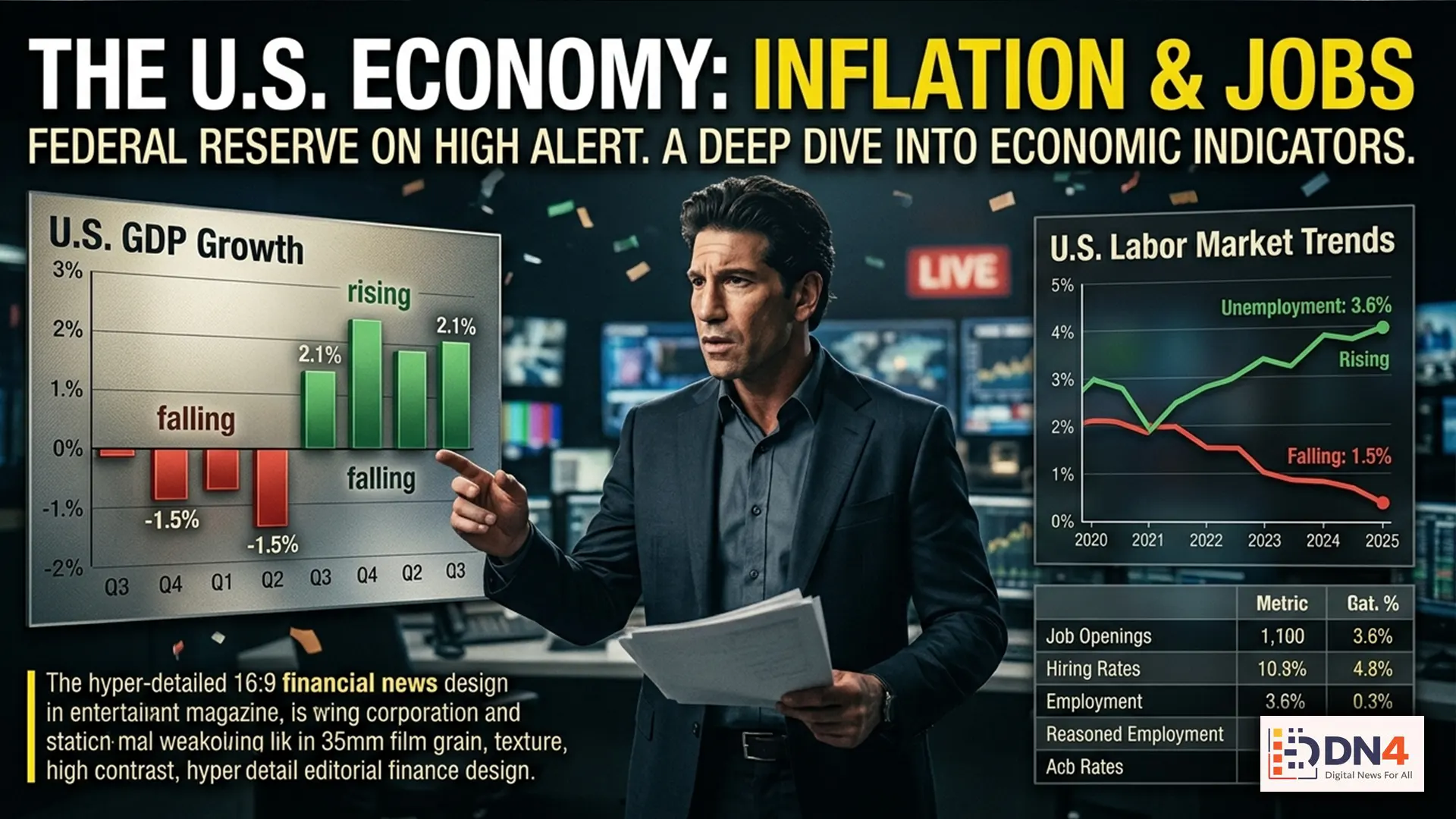
The U.S. economic outlook is once again in the spotlight after St. Louis Fed President Alberto Musalem warned on April 1 that the path ahead remains highly uncertain, even as Goldman Sachs continues to project a relatively solid 2.8% GDP growth pace for 2026.
That contrast — caution from a top Federal Reserve official and optimism from Wall Street — is exactly why investors, businesses, and policymakers are paying close attention. The debate now centers on whether the U.S. economy can keep growing at a healthy pace while signs of a softening labor market continue to emerge.
Musalem’s Warning: Growth Is Holding, but Risks Are Rising
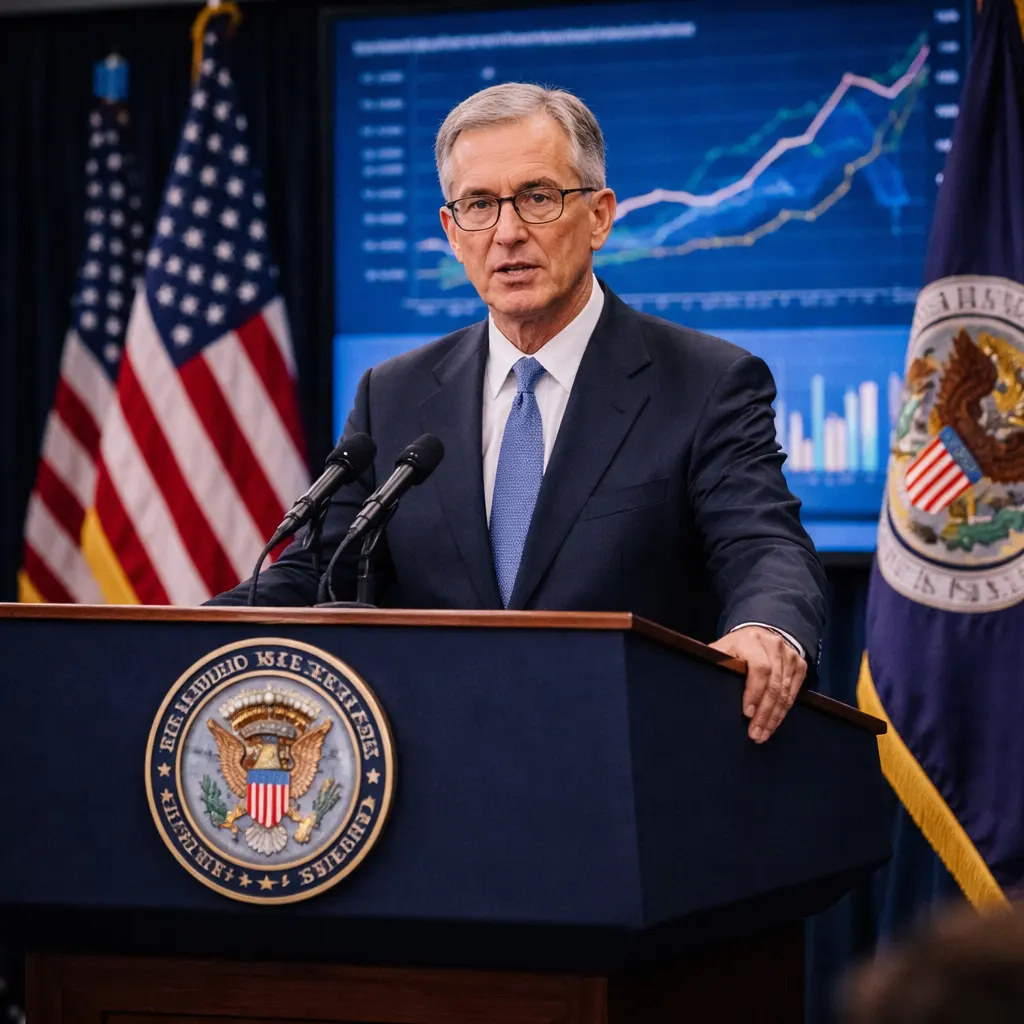
Speaking on April 1, Alberto Musalem said the economic outlook is “highly uncertain”, even though the baseline scenario still points to continued growth, a relatively stable unemployment rate, and further moderation in inflation.
However, Musalem made it clear that the risks are becoming harder to ignore. He highlighted concerns around inflation persistence, commodity-related price pressures, and the possibility that labor-market conditions could weaken more noticeably in the months ahead.
That matters because the Federal Reserve’s dual mandate requires it to balance both price stability and maximum employment. If inflation remains sticky while hiring slows, policymakers could find themselves in an increasingly uncomfortable position.
Goldman Sachs: Why 2.8% Growth Is Still on the Table
Despite those concerns, Goldman Sachs Research has maintained a relatively upbeat view of the U.S. economy, forecasting 2.8% GDP growth for 2026.
Goldman’s case rests on the idea that economic activity remains resilient, consumer demand has not collapsed, and the economy still has enough underlying momentum to avoid a sharper slowdown. The firm has also argued that inflation could continue moving closer to the Fed’s 2% target, reducing the need for aggressive policy tightening.
Still, Goldman has acknowledged that the labor market may be the biggest swing factor in that forecast.
The Labor Market Is the Real Pressure Point
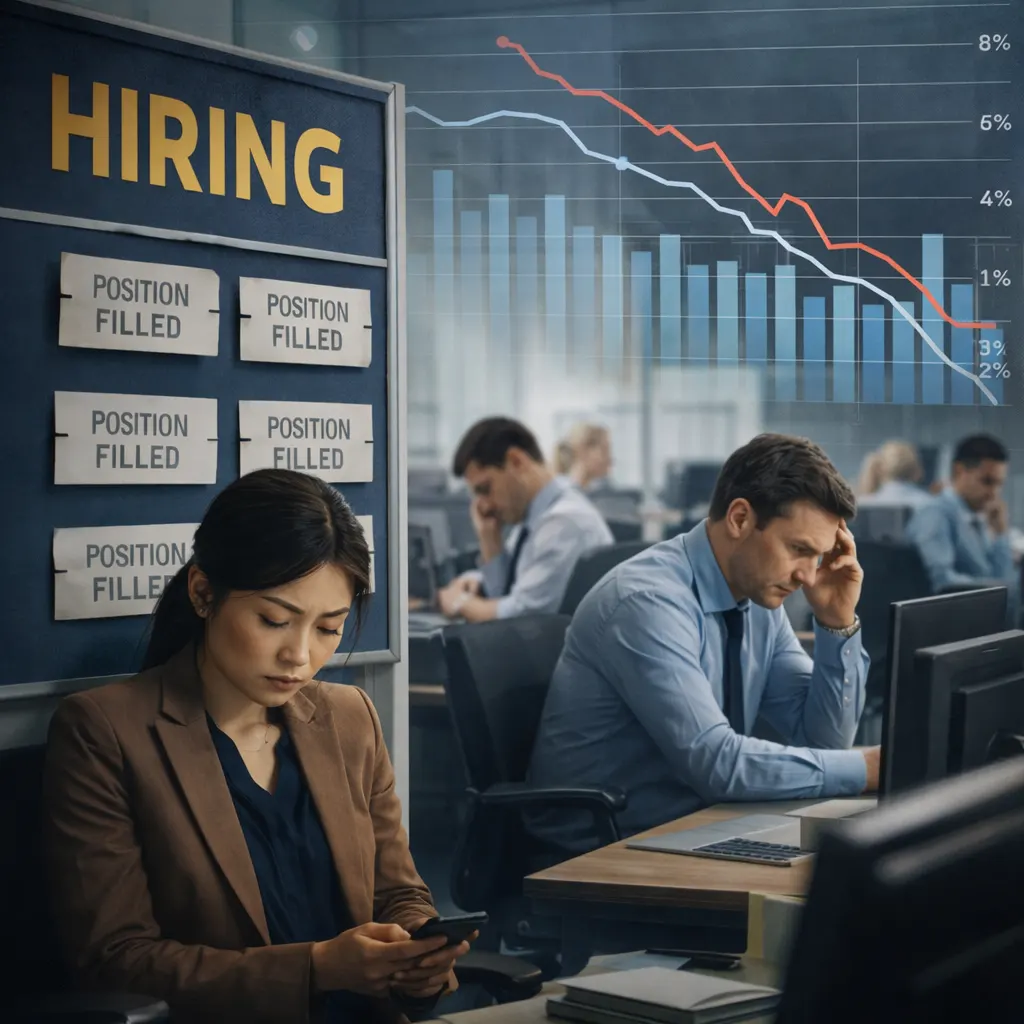
That’s where the story gets more complicated. A recent St. Louis Fed analysis noted that while the unemployment rate remains relatively low by historical standards, broader labor indicators paint a more fragile picture.
Employment growth has flattened, hiring has cooled, and job openings have gradually declined. The latest labor discussion from the FRED Blog also highlighted how headline payroll figures can mask deeper shifts underneath the surface.
That creates a real policy dilemma. If labor conditions continue to soften, the Fed may eventually face calls to cut rates sooner. But if inflation remains above target, it may have less room to act than markets would like.
Why Markets and Businesses Care
For investors, this isn’t just a technical macroeconomic debate. It affects everything from equity valuations and corporate earnings expectations to borrowing costs, hiring plans, and consumer confidence.
For businesses, the key question is simple: is the economy slowing gently, or is the labor market signaling a bigger shift ahead? That answer will shape spending, expansion, and risk-taking decisions across nearly every sector.
Right now, both views can be true at once: the U.S. economy may still be capable of growing at a respectable pace, while the risks beneath the surface are becoming more serious. Musalem’s remarks suggest the Fed is staying cautious. Goldman’s forecast suggests the economy still has more life in it.
The next few jobs reports, inflation prints, and Fed signals may determine which side of that argument wins.
#AlbertoMusalem #FederalReserve #GoldmanSachs #USGDP #Economy2026 #LaborMarket #Inflation #FedWatch #EconomicOutlook