

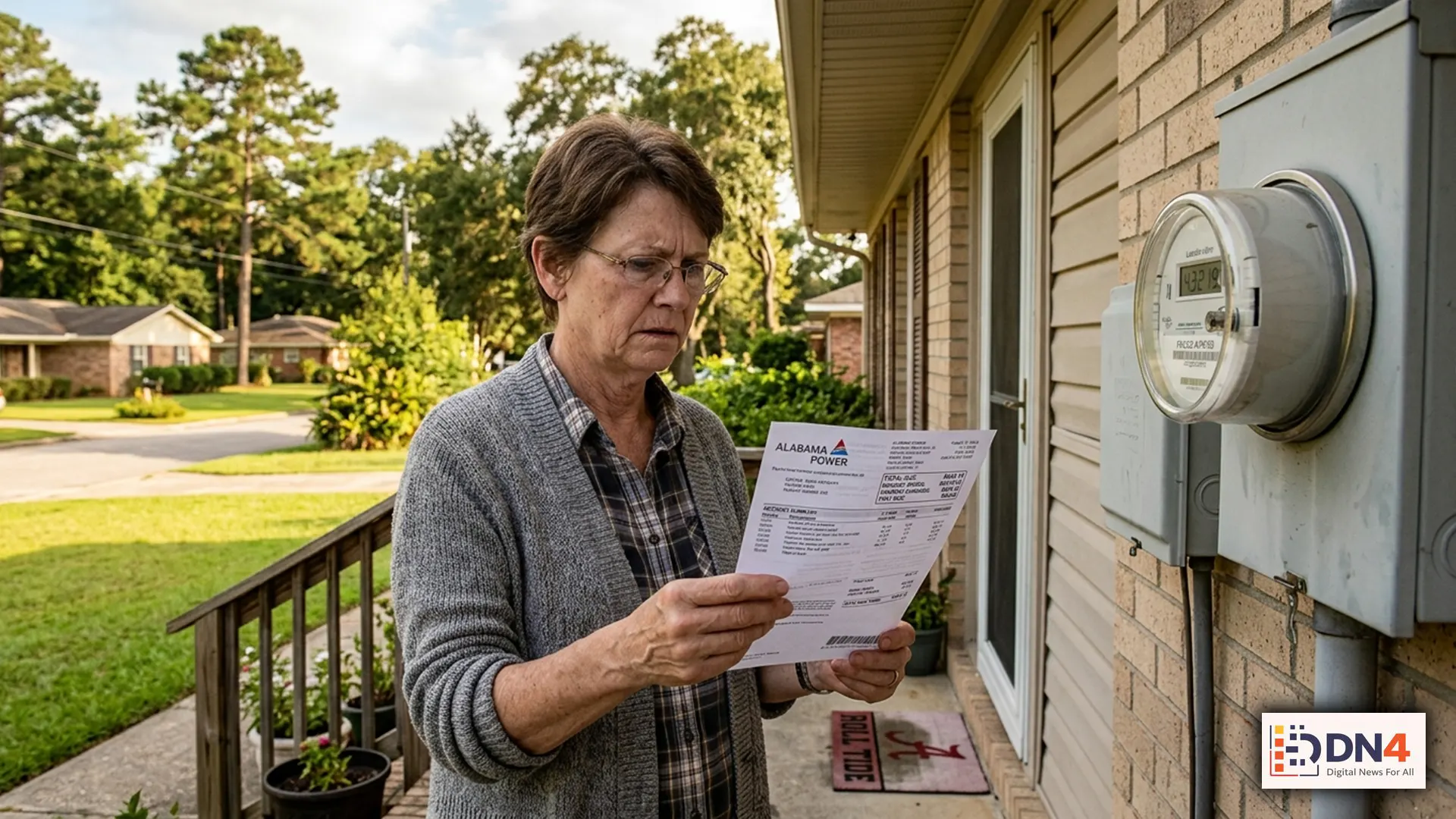
For many households, energy costs are no longer just another monthly expense — they’re becoming a financial pressure point. And in Alabama, growing attention is turning toward Alabama Power and what future rate shifts could mean for customers already feeling the squeeze.
Whether the issue is rising infrastructure costs, fuel volatility, grid modernization, or regulatory changes, one thing is clear: even small adjustments in utility pricing can have a real impact on everyday budgets.
That’s why Alabama Power’s next moves matter far beyond the utility sector. For families, renters, homeowners, and small businesses, the bigger question is simple: Will your energy bill keep climbing — and what can you actually do about it?
Why Utility Rate Shifts Matter More Than Ever
Most consumers don’t think much about electricity pricing until their bill jumps. But power rates are shaped by a long chain of decisions involving fuel costs, infrastructure spending, demand trends, and regulation.
That means your monthly bill is rarely just about how much electricity you used. It’s also about how expensive it has become to generate, move, maintain, and deliver that power to your home.
And in a period where utilities across the U.S. are investing more heavily in grid resilience, system upgrades, and long-term reliability, those costs often show up downstream — on customer statements.
For Alabama Power customers, that makes any discussion around rate shifts more than a technical policy issue. It becomes a quality-of-life issue.

What Could Be Driving Future Alabama Power Rate Pressure?
There are several forces that can influence utility rate changes, and none of them exist in isolation.
Among the biggest long-term drivers are:
- Fuel and generation costs
- Transmission and grid maintenance
- Storm hardening and infrastructure upgrades
- Population growth and demand balancing
- Regulatory oversight and approved cost recovery
Utilities like Alabama Power also operate inside a larger industry conversation about reliability and modernization. According to the U.S. Department of Energy’s grid modernization resources, electric systems nationwide are under pressure to become more resilient, more flexible, and more technologically advanced.
That sounds positive — and in many ways it is. But modernizing the grid isn’t free.
Why Customers Feel the Impact So Quickly
Electricity is one of those costs that doesn’t feel optional. You can delay a big purchase. You can skip a subscription. But you can’t simply “opt out” of cooling your home in a Southern summer or keeping appliances running.
That’s what makes energy inflation so frustrating.
Even modest utility adjustments can hit hardest during peak usage months, especially in regions where air conditioning is a necessity rather than a luxury. Consumer energy experts and reporting from organizations like NerdWallet and Energy Saver consistently note that households often underestimate how quickly seasonal spikes can compound with higher rates.
In other words, even if your usage habits don’t change much, your bill still can.
Could This Change How People Use Energy at Home?
Yes — and in many cases, it already has.
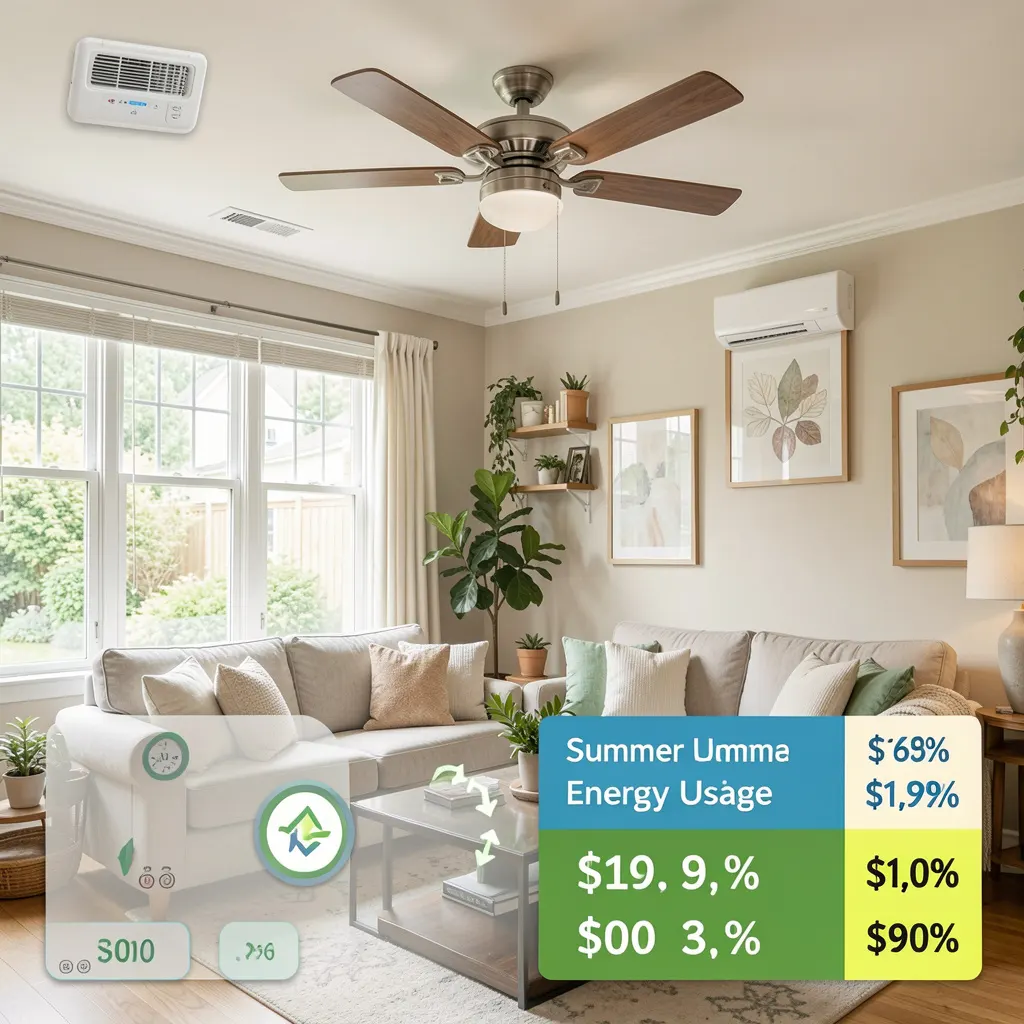
As rate pressure grows, more consumers are becoming sensitive not just to total usage, but to how and when they use electricity. That includes interest in:
- Smart thermostats
- Energy-efficient appliances
- Home insulation upgrades
- Weatherproofing and HVAC maintenance
- Peak-hour consumption awareness
Even the ENERGY STAR program has emphasized how appliance efficiency and home energy habits can reduce long-term cost exposure.
That doesn’t mean customers should have to “outsmart” every rate increase on their own. But it does mean energy behavior is becoming a more important part of financial planning than many households expected.
What Alabama Customers Should Watch Next
If Alabama Power’s pricing structure changes in a meaningful way, the biggest signals will likely come through official utility communication, public reporting, and broader regulatory developments.
Customers should pay close attention to:
- Monthly billing changes
- Fuel cost adjustments
- Seasonal usage spikes
- Public statements from utility or regulatory bodies
- New efficiency incentives or usage tools
Following reliable local reporting and official customer updates is critical, because utility cost changes often arrive in small increments rather than one dramatic shift.
Alabama Power’s next big move may not come with flashy headlines — but for customers, it could still be deeply personal.
When utility rates shift, the effect shows up where it matters most: in household budgets, business operating costs, and everyday affordability.
That’s why this story matters. Because the future of your energy bill isn’t just about power. It’s about how much financial flexibility people still have left when the essentials keep getting more expensive.
#AlabamaPower #EnergyBill #UtilityRates #ElectricityCosts #EnergyNews #PowerBills #HouseholdBudget #UtilityNews #EnergyAffordability #GridModernization #AlabamaNews