

 By Vinod Ram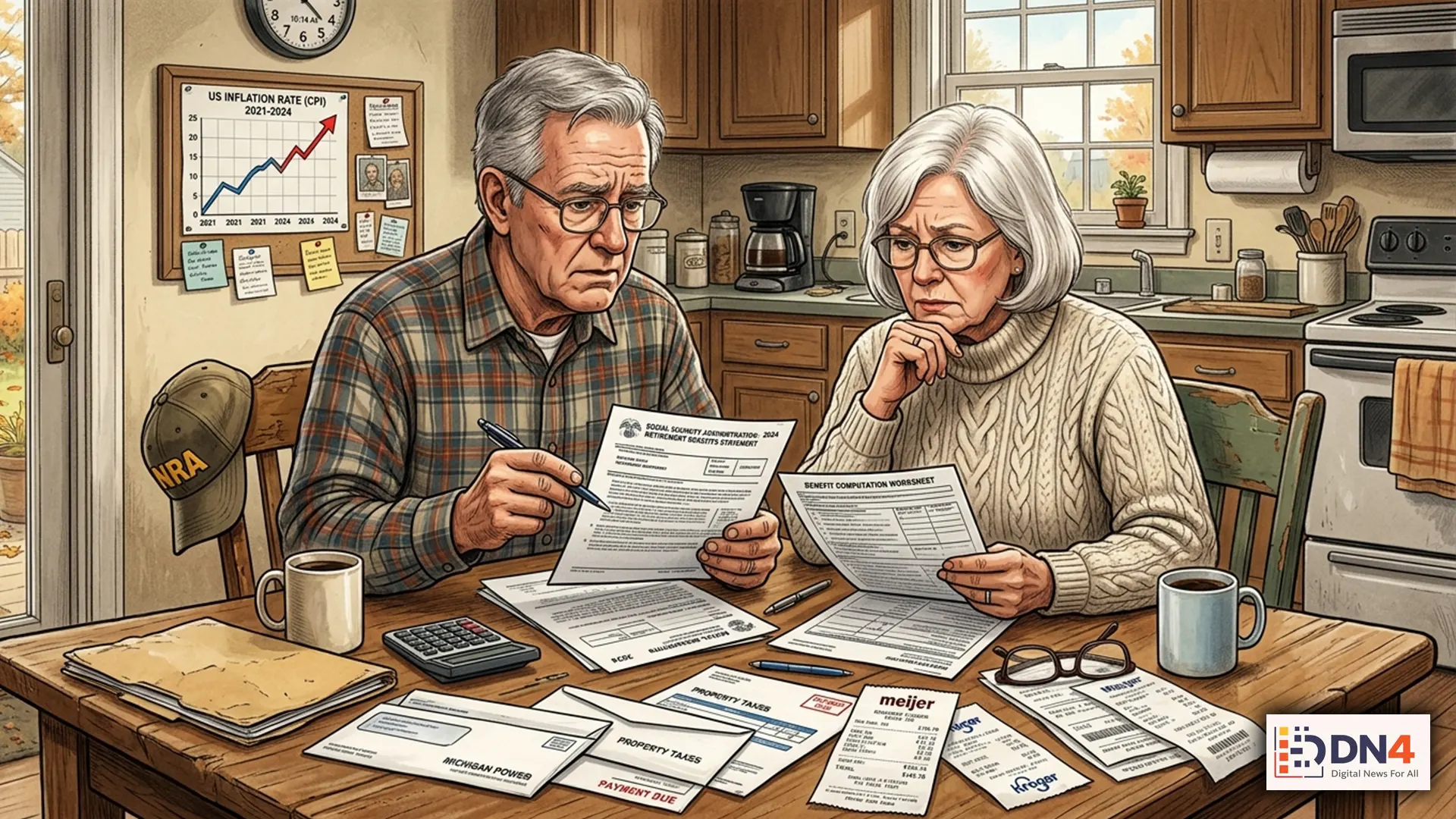
For millions of retirees, a big Social Security cost-of-living adjustment (COLA) sounds like relief. But the growing conversation around a potentially outsized 2027 COLA increase is raising a harder question: what if the biggest benefit bump in decades still isn’t enough?
That is the core of what many analysts are calling the “2027 COLA Cliff”—a scenario where headline benefit gains look impressive, but real purchasing power remains under pressure from inflation data, rising healthcare costs, housing expenses, and the tax drag that hits many fixed-income households.
In other words, your monthly check may go up, but your financial breathing room may not.
Why the 2027 COLA Could Be So Large
The Social Security Administration calculates annual COLA changes using inflation trends tied to the Consumer Price Index for Urban Wage Earners and Clerical Workers (CPI-W). If inflation remains sticky—or reaccelerates in key household categories—beneficiaries could see one of the largest annual increases in a generation.
That would be welcome news on paper. A larger COLA is designed to help benefits keep pace with rising living costs. But there is a catch: COLA measures broad inflation, not your personal inflation.
For retirees, spending is often concentrated in categories that can rise faster than headline inflation, including:
- Prescription medications
- Doctor visits and specialist care
- Housing and rent
- Groceries and utilities
- Long-term care and insurance
That means even a historically large Social Security increase can still feel too small in real life.

The Hidden Problem: Medicare Can Eat the Raise
One of the biggest reasons retirees often feel disappointed after a COLA increase is that Medicare premiums can absorb part of the gain. If Medicare Part B or related healthcare costs rise sharply, beneficiaries may see only a fraction of the boost remain in their net monthly benefit.
This is where the “cliff” idea becomes especially relevant. A large adjustment may create the illusion of financial improvement, while fixed expenses quietly take back much of the increase.
According to retirement planning experts and benefit analysts, this pattern has become increasingly important as healthcare inflation remains a major budget risk for older Americans.
Taxes, Brackets, and the Silent Squeeze
Another overlooked issue is taxation. A larger Social Security check can push some retirees closer to thresholds that affect how much of their benefit is taxable, particularly for households with pension income, withdrawals from retirement accounts, or part-time earnings.
Guidance from the IRS and retirement-focused research from groups like AARP and the Center for Retirement Research suggests that even modest income shifts can change how much retirees keep after tax and benefit-related costs.
That is why a bigger COLA does not automatically equal stronger financial security.
Why This Matters More Than the Headline Number
There is a psychological trap in COLA coverage: the percentage increase grabs attention, but the after-cost reality is what actually shapes retirement life.
For many households, the real question is not “How big is the raise?” but:
- Will it cover next year’s healthcare inflation?
- Will rent, groceries, and utilities rise even faster?
- Will taxes or Medicare take a bigger bite?
- Will I actually feel richer—or just less squeezed?
That is why the 2027 COLA story matters beyond Social Security headlines. It is really a story about retirement purchasing power, and whether fixed-income households can stay ahead of structural cost pressure.

How Retirees Can Prepare Before the 2027 Adjustment
If a larger COLA does arrive, the smartest move may not be to celebrate the headline—it may be to plan around the gaps.
Here are a few practical steps retirees and near-retirees should consider:
- Review Medicare and supplemental coverage costs early
- Estimate after-tax retirement income, not just gross benefits
- Revisit monthly budgets using “real-life inflation” categories
- Check whether required withdrawals or side income could trigger tax pressure
- Build a buffer for health and housing cost spikes
That kind of planning matters more than ever in an environment where a larger check may still buy less.
The 2027 COLA Cliff is a reminder that bigger Social Security raises do not always mean better retirement outcomes. If inflation, healthcare, and taxes continue climbing, even the largest COLA in 25 years could leave many retirees feeling financially behind.
For households living on fixed income, the most important number may not be the COLA itself—it may be what is left after everything else gets more expensive.
#SocialSecurity #COLA2027 #RetirementPlanning #SeniorFinances #Inflation #Medicare #RetirementIncome #PersonalFinance #FixedIncome #CostOfLiving #FinancialPlanning