

 By Vinod Ram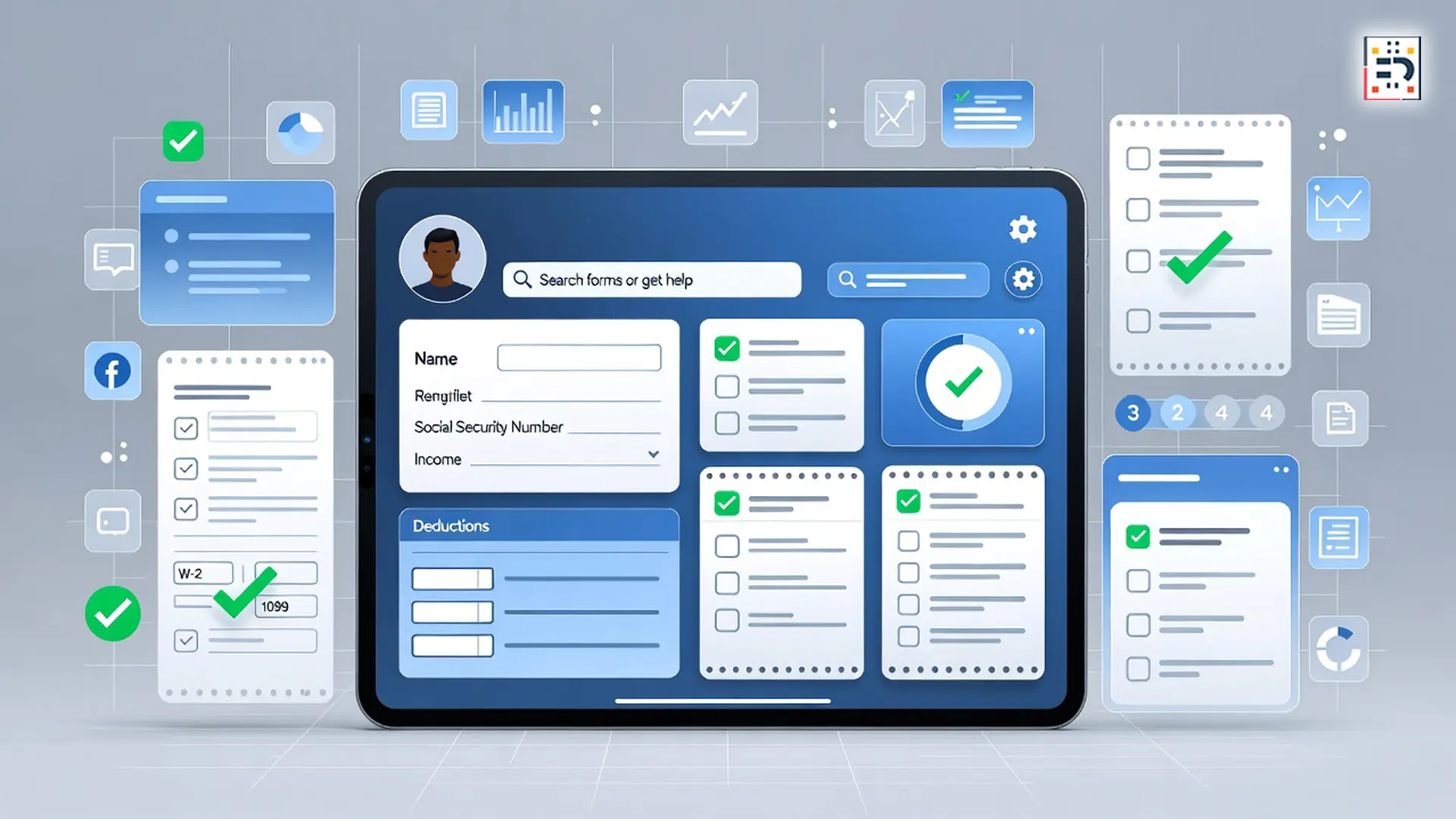
Tax season is about to look very different. With the 2026 expansion of the U.S. government’s Direct File system, filing your taxes may soon feel less like paperwork—and more like a conversation with AI.
The promise is simple: fewer forms, fewer fees, and fewer mistakes. But the implications are much bigger. Direct File marks the first real step toward automated, AI-assisted tax filing at a national scale.
What Is “Direct File”?
Direct File is a government-run system that allows eligible taxpayers to file their federal returns directly with the Internal Revenue Service (IRS), without using third-party tax preparation software.
Early versions focused on simplicity. The 2026 rollout signals something more ambitious: intelligent assistance built into the filing process itself.
Instead of manually entering data across dozens of fields, taxpayers are guided step-by-step—often with information prefilled from existing records.
Where AI Comes In
The biggest shift in 2026 is the deeper use of automation and AI-like systems to:
- Pre-populate income and withholding data
- Flag potential errors before submission
- Ask clarifying questions in plain language
- Adapt the filing flow based on your answers
This mirrors trends already common in private fintech platforms, but applied inside a public system designed for scale.
According to broader trends tracked by financial technology analysts, government adoption of AI-assisted workflows is accelerating worldwide.

Why This Is a Big Deal for Taxpayers
For decades, filing taxes has been:
- Time-consuming
- Confusing for non-experts
- Dependent on paid software or professionals
Direct File challenges that model.
By reducing reliance on third-party platforms, the system could save taxpayers money while improving accuracy—especially for people with straightforward returns.
For younger filers accustomed to AI chat interfaces and automation, this approach feels natural rather than risky.
The Disruption to the Tax Software Industry
Not everyone is cheering.
The expansion of Direct File puts pressure on an industry long dominated by commercial tax preparation companies.
While complex returns will still require professional help, the middle ground—the millions of simple and moderate filings—may increasingly move to government-run, AI-assisted tools.
This raises fundamental questions about:
- Who should control essential digital services
- Data ownership and privacy
- The role of automation in public trust
Privacy, Trust, and Transparency
Any system that combines government data and AI raises concerns.
Supporters argue that filing directly with the IRS reduces data sharing with private intermediaries. Critics worry about transparency, algorithmic decision-making, and long-term safeguards.
Trust will depend on:
- Clear explanations of how the system works
- Strong data protection standards
- Human oversight and appeal options
These debates mirror broader conversations about AI governance already unfolding across public institutions.

What This Signals About the Future of Bureaucracy
Direct File is about more than taxes.
It’s a test case for whether AI-assisted public services can actually simplify life rather than complicate it.
If successful, similar models could extend to:
- Benefits enrollment
- Student aid applications
- Licensing and permits
In that sense, the 2026 launch represents a philosophical shift—from citizens navigating systems to systems adapting to citizens.
In 2026, doing your taxes may no longer feel like doing taxes.
Direct File’s AI-assisted approach suggests a future where compliance is automated, guidance is conversational, and complexity is handled behind the scenes.
Whether this becomes a trusted public utility or a controversial experiment will depend on execution. But one thing is clear:
The era of purely manual tax filing is ending.
#DirectFile #AITaxes #TaxSeason #FinTech #GovernmentTech #PersonalFinance #DigitalInnovation