

 By Vinod Ram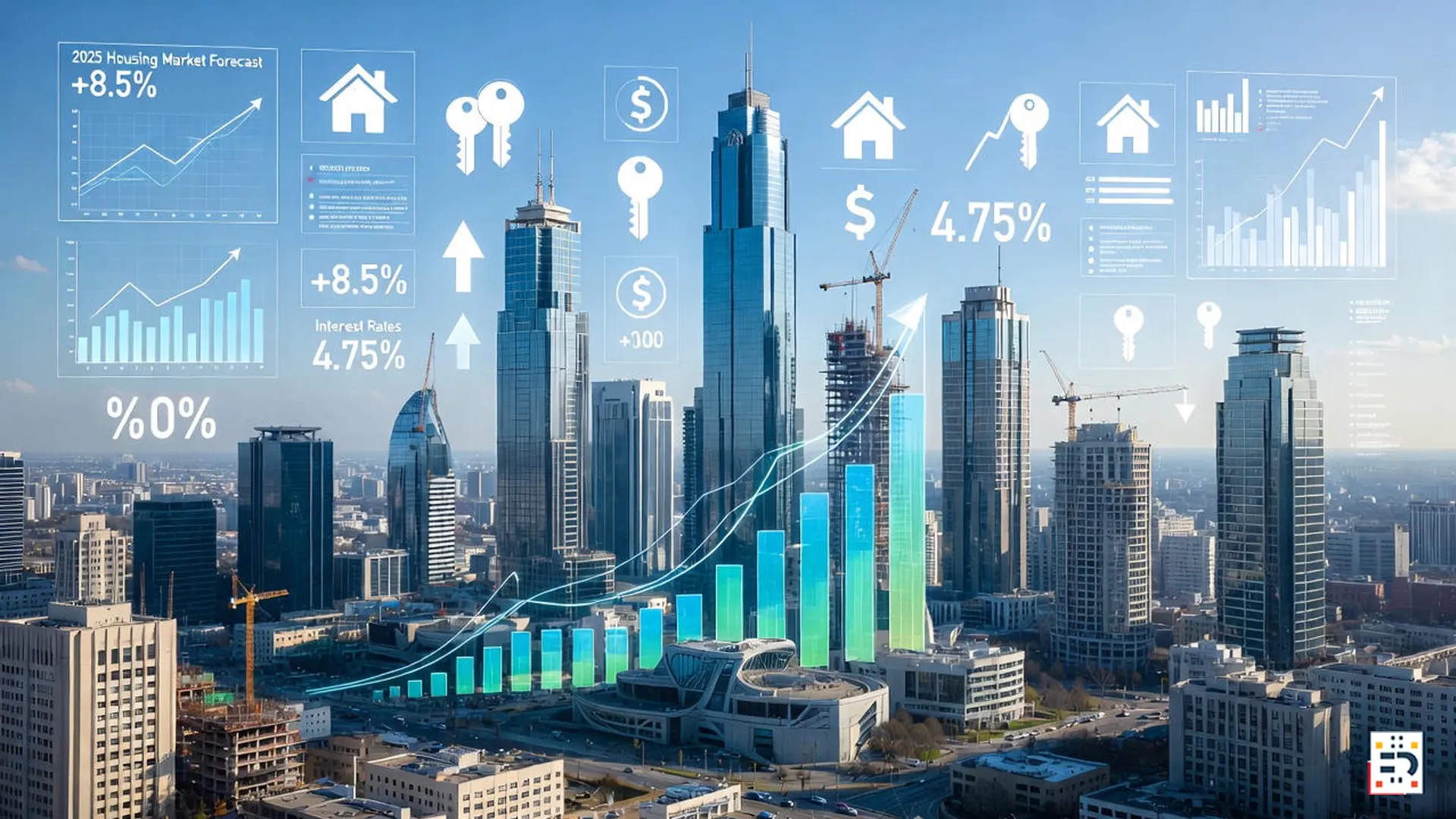
The U.S. housing market has undergone dramatic changes over the past five years. With fluctuating interest rates, inventory shortages, and shifting migration patterns, many Americans are asking the same question: Is 2025 still a good time to buy or invest in real estate?
According to market data from sources such as the National Association of Realtors (NAR) and the Federal Reserve Economic Data (FRED), the housing market is stabilizing—but not returning to pre-pandemic norms.
1. Home Prices Are Stabilizing but Remain Elevated
Housing prices in 2025 are no longer skyrocketing at pandemic-era speeds, but they remain historically high in many states. Cities in the Sun Belt—such as Austin, Phoenix, and Tampa—continue to see moderate growth due to strong population inflow.
Key factors affecting prices:
- Low inventory levels
- High construction costs
- Strong buyer demand in job-growth markets
- Shift toward suburban and rural living
2. Mortgage Rates Are Cooling Off but Still Higher Than Expected
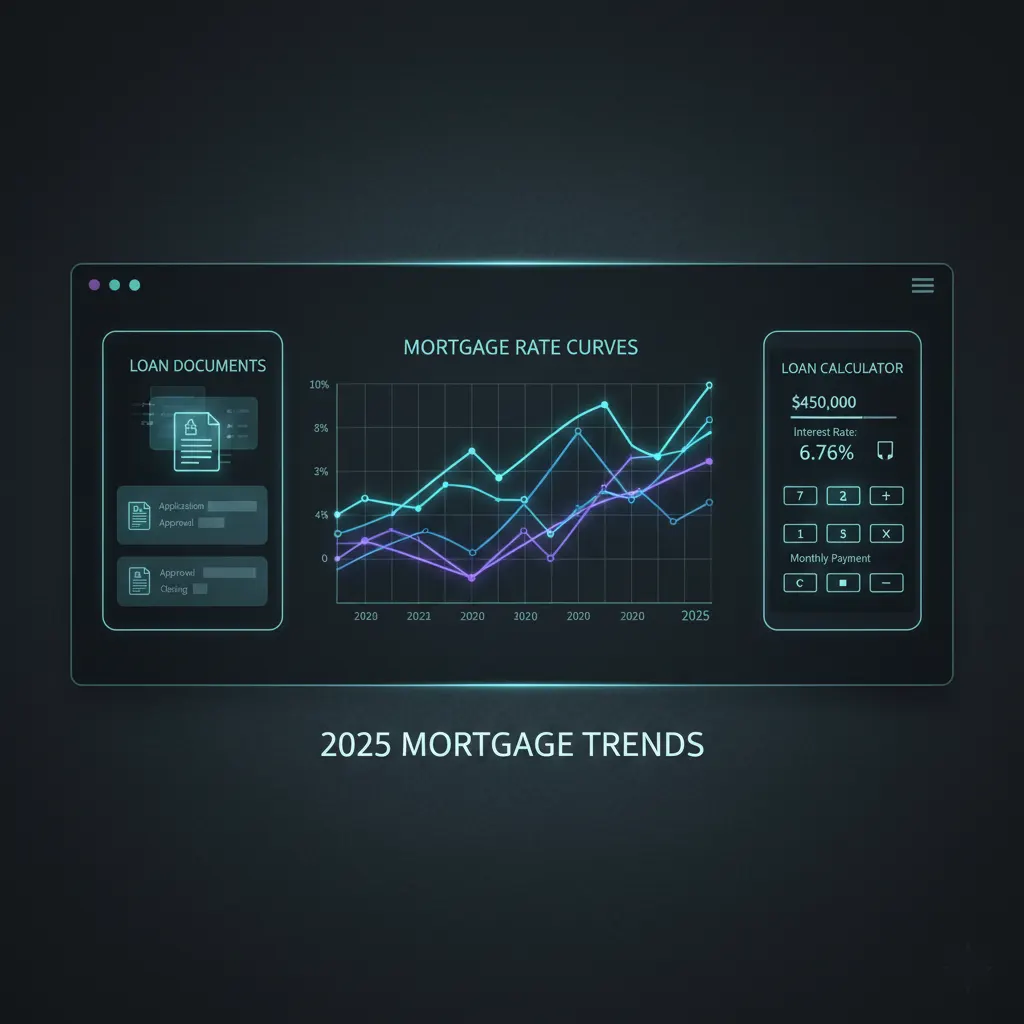
Data from the Mortgage Bankers Association indicates that mortgage rates in 2025 have slightly decreased from their 2023–2024 peaks, but remain above pre-2020 averages.

What buyers can expect:
- Rates stabilizing between mid-5% to mid-6%
- More lenders offering rate buydowns
- Higher credit score requirements
- Increased lender competition leading to better terms
3. Rental Demand Is Rising Nationwide
Rental demand is accelerating due to affordability constraints. According to the U.S. Census Housing Vacancy Survey, vacancy rates remain near decade lows, especially in major tech and college cities.
What this means for investors:
- Higher rental yields in suburban markets
- Increased demand for single-family rentals
- More renters staying longer due to affordability issues
4. Best Markets for Buyers & Investors in 2025
Many strong markets are emerging with affordability, job growth, and inventory expansion. Analysts highlight regions with booming tech hubs, strong migration inflow, and favorable tax policies.
Top States to Consider
- Texas (Austin, San Antonio)
- Florida (Tampa, Jacksonville)
- North Carolina (Raleigh, Charlotte)
- Ohio (Columbus, Cincinnati)
- Arizona (Phoenix, Tucson)
Why These Markets Stand Out
- Strong job creation
- Lower median home prices
- Rising rental demand
- Business relocation growth
5. Is 2025 a Good Time to Buy a Home?
Yes—if you are financially prepared. With moderating prices and slowly improving inventory, 2025 offers more opportunities for buyers compared to the overheated market of 2021–2023.
You should consider buying if:
- You have stable income and emergency savings
- You plan to stay at least 5–7 years
- You qualify for favorable loan terms
- You find a home within your budget
6. Is 2025 a Good Time to Invest in Real Estate?
For investors, 2025 presents several promising opportunities—particularly in rental properties, affordable housing, and growing southeastern markets.
Current Investment Trends
- High rental demand boosts cash-flow potential
- More foreclosures entering the market
- Short-term rentals stabilizing with new regulations
- Commercial real estate rebounding in select cities
Financial analysts from the PwC Emerging Trends in Real Estate Report note that investor confidence is improving as markets normalize.
Internal Real Estate Guides
- The Lock-In Effect Explained: How 7% Mortgage Rates Are Creating a Permanent US Inventory Shortage.
- Insuring the Uninsurable: The Permanent Shift in Real Estate Valuation Due to Climate Risk
The 2025 real estate market offers more stability than recent years, though affordability remains a challenge. For buyers and investors who are financially prepared, the year presents meaningful opportunities with strong long-term potential.
#RealEstate2025 #HousingMarket #InvestingTips #PropertyInvesting #MortgageRates #HomeBuying #RentalMarket #MarketTrends #RealEstateInvesting #WealthBuilding