

 By Vinod Ram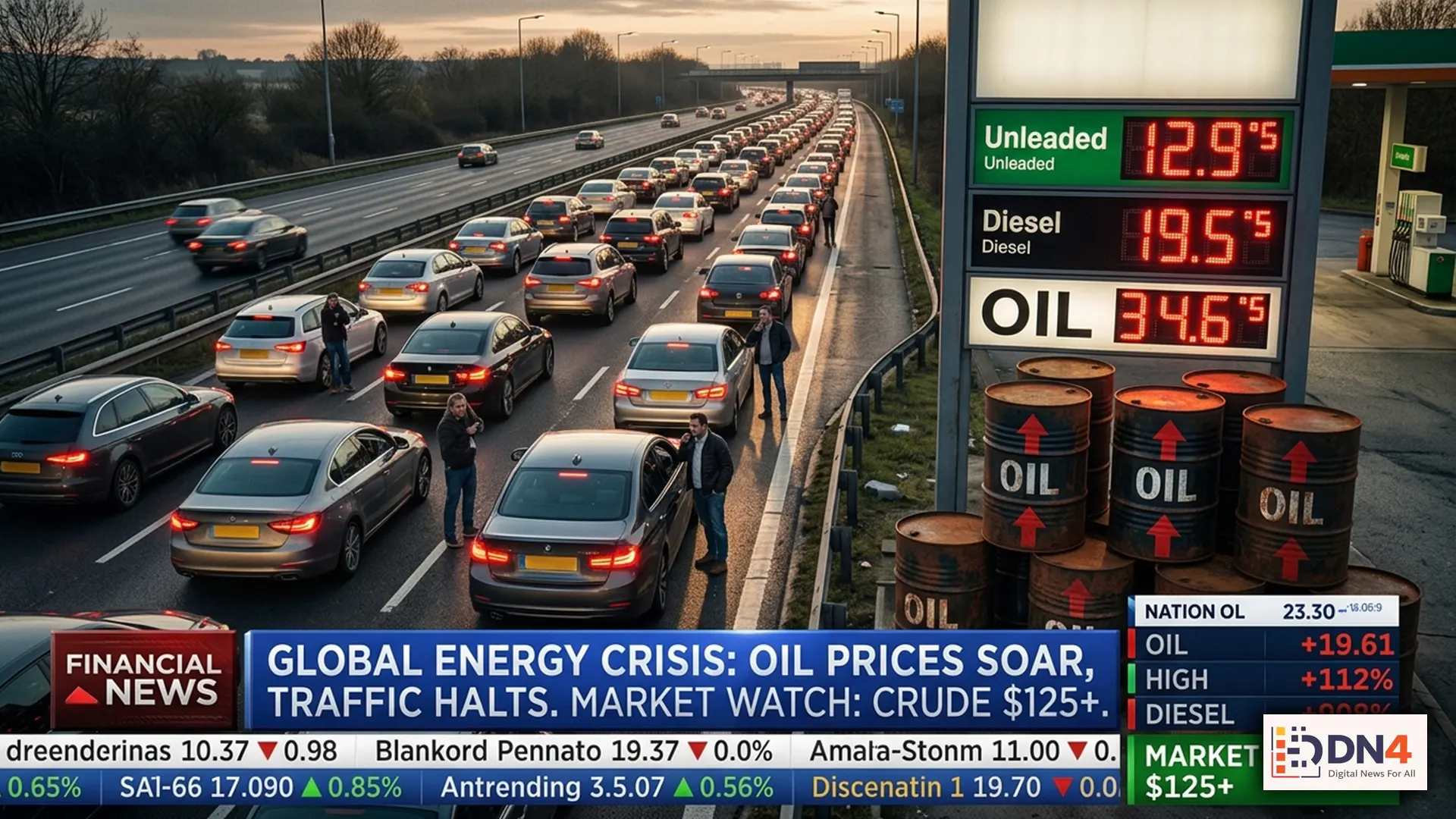
A jump toward a $100 oil barrel might sound like a Wall Street problem. In reality, it can hit your wallet by the end of the week.
If tensions in the Middle East push crude prices higher, drivers could soon pay more at the pump, spend more on ride-hailing, and feel a wider squeeze across everyday costs. That makes this more than an energy-market story. It’s a cost-of-living story.
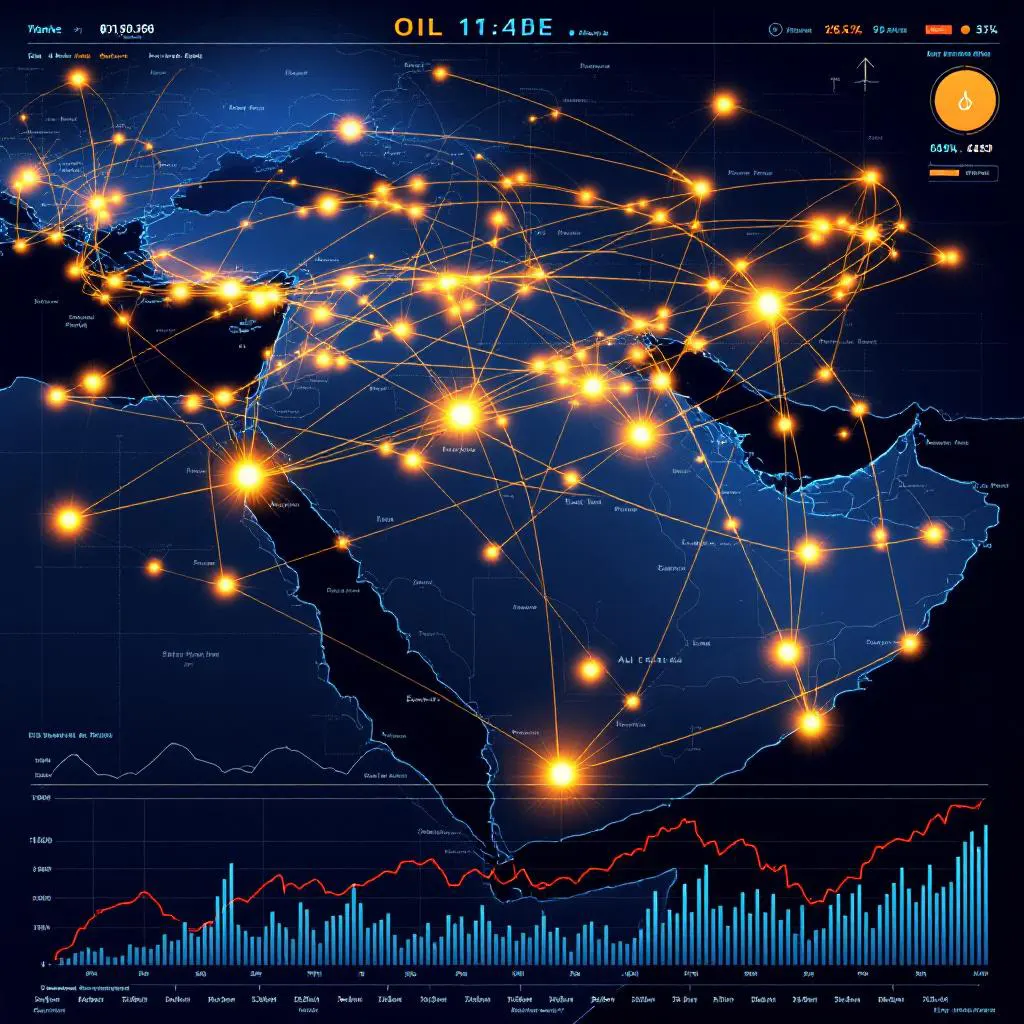
Oil traders watch the Middle East closely because the region plays a huge role in global crude supply. Any threat to shipping routes, production, or refinery stability can move prices quickly.
Why a Middle East Crisis Moves Oil Prices So Fast
The global oil market reacts to risk before supply actually disappears.
That means prices can spike even before any major disruption happens. Investors often bid crude higher when they fear:
- Shipping delays through key sea routes
- Attacks on energy infrastructure
- Reduced output from major producers
- Retaliation that spreads across the region
You can track official market data through the U.S. Energy Information Administration, while broader oil market coverage often comes from Reuters commodities reporting and Bloomberg Energy.
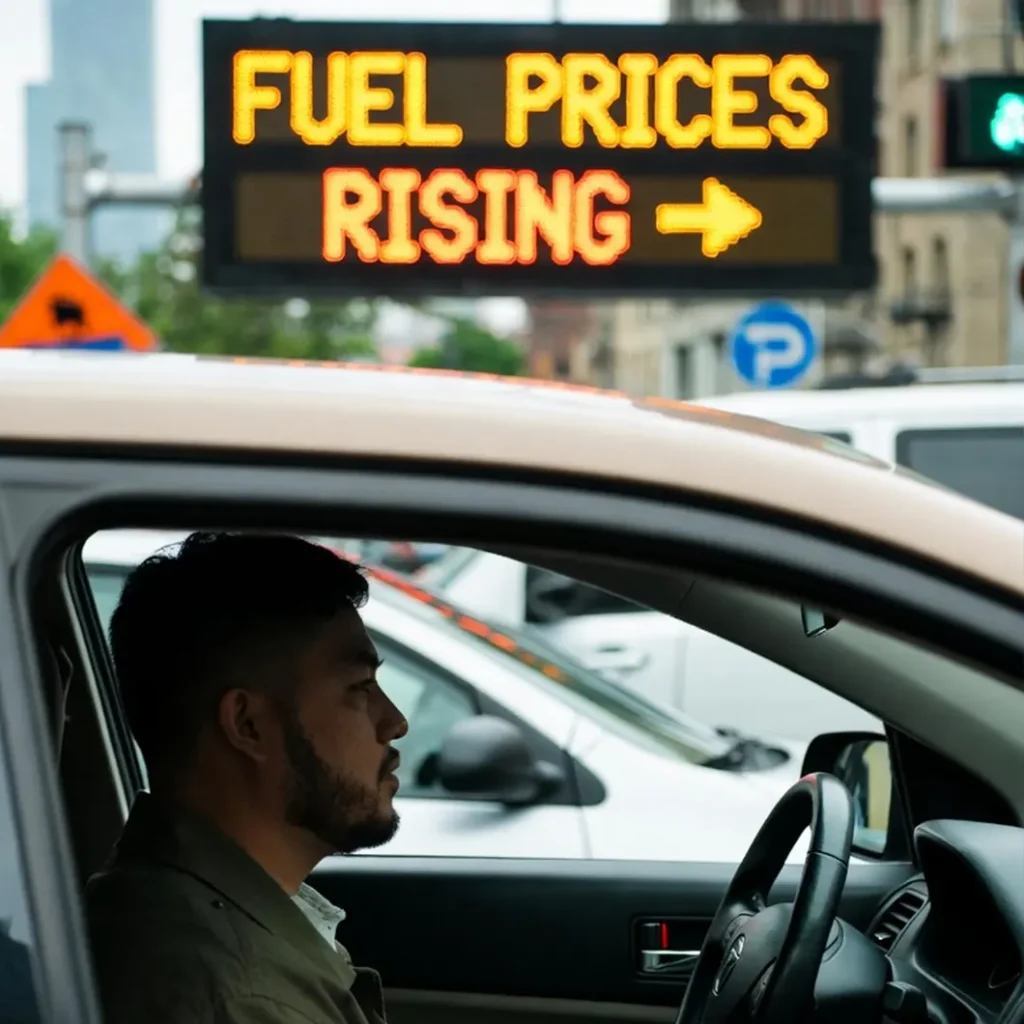
What a $100 Barrel Could Mean for Drivers
When crude rises, gas and diesel usually follow. The impact is not always instant, but it often arrives faster than people expect.
Here’s where commuters usually feel it first:
- Higher petrol and diesel prices
- More expensive app-based rides
- Costlier delivery and logistics fees
- Increased public transport pressure
Drivers with long daily commutes usually feel the pain first. That includes suburban workers, gig drivers, delivery workers, and families with school or work travel built into their weekly routine.
Your Commute Could Cost More in More Than One Way
Fuel is only the first layer.
A sustained oil spike can also increase:
- Airfares
- Bus and freight costs
- Food transport expenses
- Online shopping delivery charges
In other words, even people who rarely drive can still feel the effect.
Why Markets Fear the “Psychological” $100 Level
The number matters because it changes behavior.
When oil moves toward $100, consumers often become more cautious. Businesses may raise prices faster. Financial markets may also start pricing in fresh inflation risks.
That can affect:
- Household budgets
- Interest rate expectations
- Travel plans
- Consumer spending confidence
Institutions like the International Monetary Fund and the World Bank often track how energy price shocks ripple through inflation and growth.
How to Protect Your Budget if Fuel Prices Rise
You cannot control oil markets. You can reduce how much they affect your week.
- Bundle errands into fewer trips
- Compare local fuel prices before filling up
- Use carpooling when practical
- Check tire pressure and maintenance to improve mileage
- Rework commute timing to avoid traffic-heavy fuel burn
If you drive for work, even small efficiency gains can make a visible monthly difference.
A $100 barrel is not just a headline for traders and oil companies. It can quickly become a real-world problem for commuters, families, and businesses.
If the Middle East crisis deepens, the first warning sign for many people may not come from geopolitics — it may come from the fuel pump on the way to work.
And once transport costs rise, the rest of the economy often follows.
#OilPrices #MiddleEastCrisis #GasPrices #FuelCosts #CrudeOil #CommutingCosts #Inflation #EnergyMarkets #PersonalFinance